What actually makes a commercial infrared tube last?
Commercial ovens are beasts. When you’re running a unit for 10 hours a day, those infrared tubes aren’t just heating food—they’re fighting a constant war against grease and extreme temperature swings. I get asked all the time: Can these domestic tubes actually hold up against the big-name imports? The short answer? Yes. But here is how it actually works.
The secret is in the glass
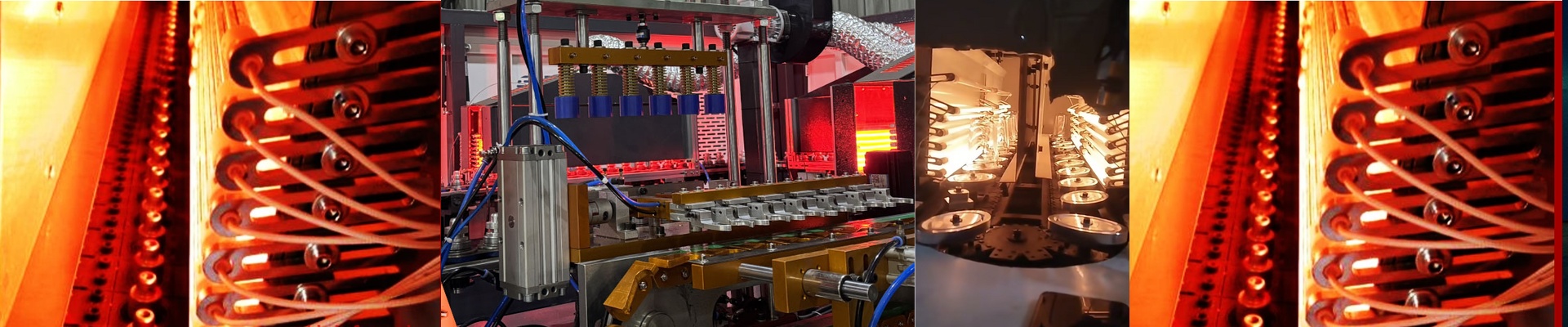
To get that intense heat needed for fast cooking, you need two things: high-purity quartz and halogen gas. Think of the halogen gas as a cleanup crew. It stops the tungsten from sticking to the walls of the tube. Without it, the glass clouds over, your heat output drops, and the lamp burns out way too soon. If the quartz isn’t pure enough, you’re basically buying a ticking time bomb.
Dealing with the “stretch”
When a tube is on for 10 hours, it expands and contracts constantly. It’s a lot of stress. We make sure the filaments are tough enough to handle that without sagging. But here’s a pro tip:stick to your specs. If you try to “upgrade” by popping in a higher wattage tube than your circuit was built for, you aren’t getting more power—you’re just frying your controller. Keep the voltage and wattage exactly where they belong.
Real-world talk
The gap between domestic tubes and the expensive brands has pretty much disappeared. The seals between the electrodes and the quartz are just better now. In my experience, these tubes cruise through high-load shifts easily. The real trick is keeping your reflectors clean. If they’re covered in grime, the tube has to work harder, and nothing lasts forever when it’s overworked. And just a heads-up: no tube is invincible. I’ve seen the most expensive quartz in the world shatter in a second because someone hit it with a cold cleaning spray while it was still glowing hot. That “thermal shock” will kill a lamp faster than any brand name can save it. Match your specs, keep the reflectors polished, and you’ll be good for the long haul.