Stop Settling for “Good Enough” Oven Lamps
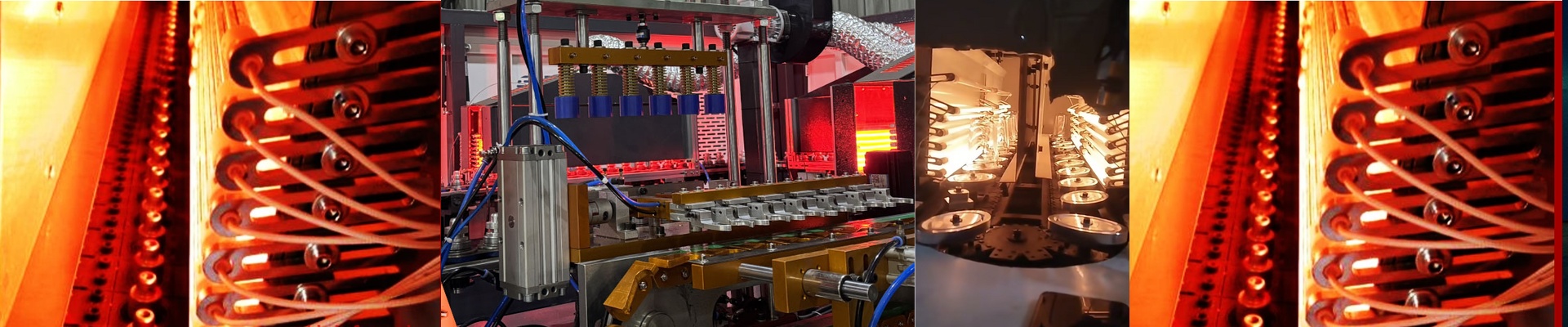
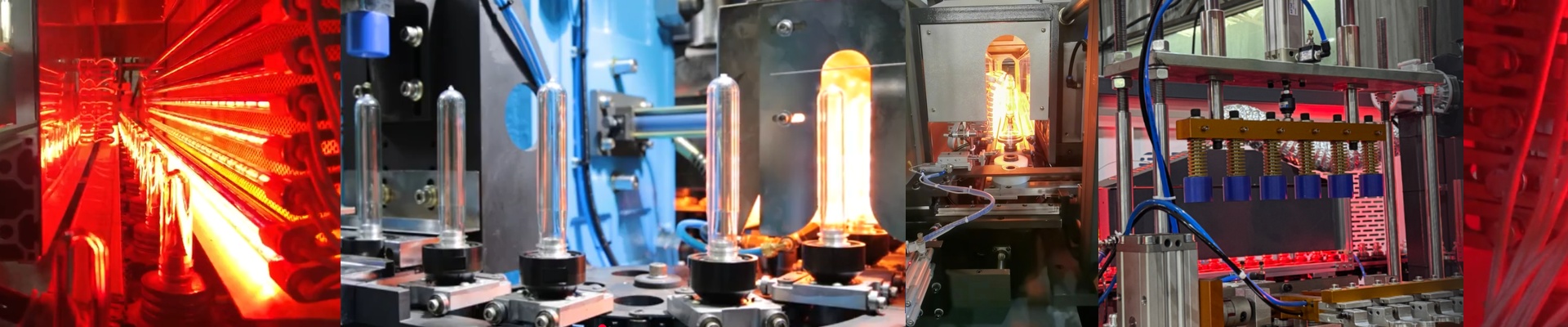
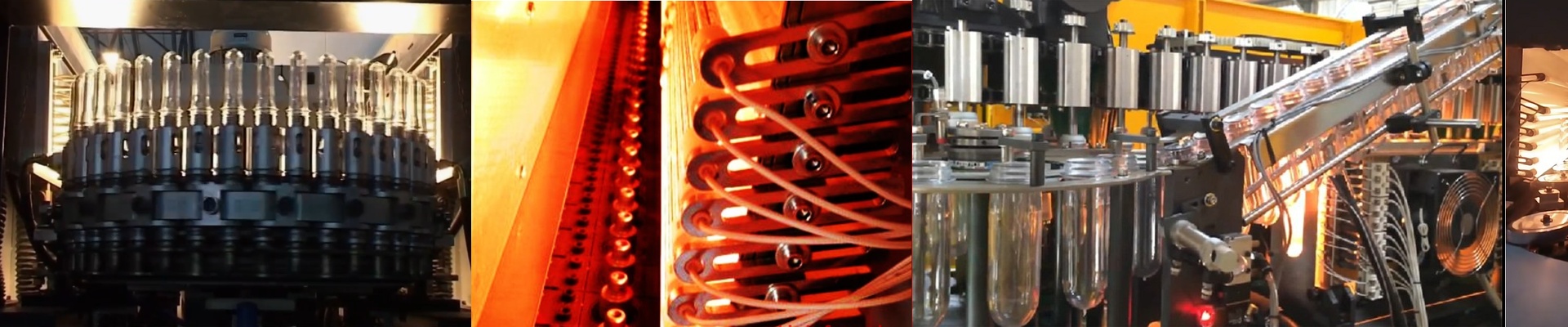
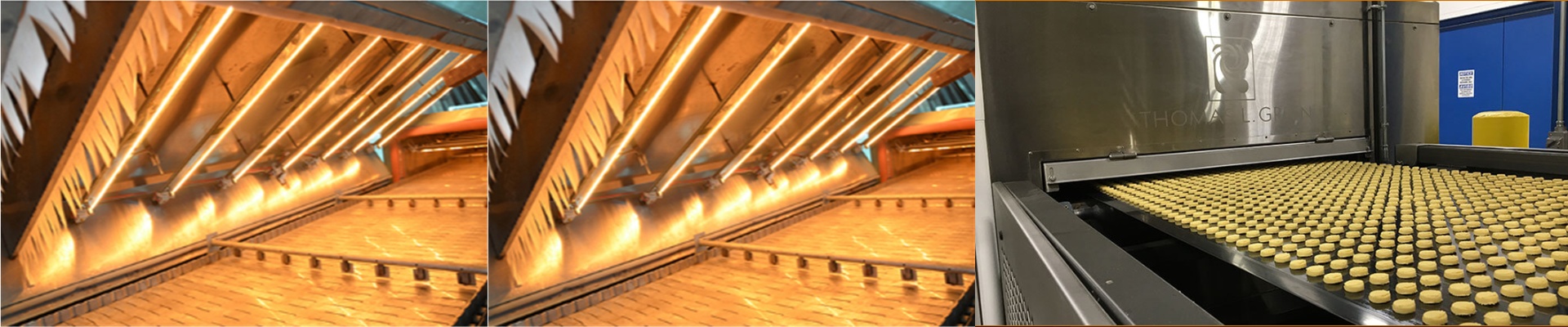
If you’re running a high-volume kitchen or a heavy-duty production line, you know the drill. You pop in a standard replacement lamp, it lights up, and you figure you’re good to go. But then you notice the bottleneck. The product isn’t hitting temperature fast enough. Your cycle time is lagging. Here’s the thing: generic drop-in lamps are built for the average user. But your production line isn’t average. If you want to actually shave seconds off your process, you can’t just buy something off a shelf. You need a custom infrared module that’s built for your specific heat load. It all comes down to heat density. Standard lamps just throw a set amount of wattage over a set length. It’s a one-size-fits-all approach that usually fits nobody perfectly. We do things differently. We tweak the wattage-per-centimeter to hit the exact surface temperature your food needs. Imagine hitting that target in half the time. By packing more power into the zones that actually matter, your product spends less time sitting under the heater. Your line moves faster. Your ramp-up is quicker. Everything just flows. The problem with “Standard Specs” Generic lamps come with generic connectors and fixed lengths. They’re clunky. We build modules to fit your exact footprint. This lets us aim the infrared radiation exactly where it needs to go, which kills those annoying cold spots in your oven. Depending on how deep you need the heat to penetrate, we’ll use high-grade quartz or halogen-filled tubes. Plus, we can match the voltage to your existing power grid. No one wants to deal with bulky, ugly transformers taking up space. We just wire it to handle the heavy current your environment demands. One thing to keep in mind… There is a trade-off. When you pack more power into a smaller space, things get hot. Really hot. This is the fastest way to boost your throughput, but it puts a bit more stress on your oven’s frame. If we’re pushing the wattage to save you time, you’ve got to make sure your fans and vents can keep up with the extra heat. If the airflow isn’t there, you’ll end up burning out the lamp ends way too soon. It’s a simple fix, but it’s the difference between a system that lasts and one that breaks down when you’re at your busiest.