Why You’re Fighting Your Oven’s Temperature (and How to Stop)
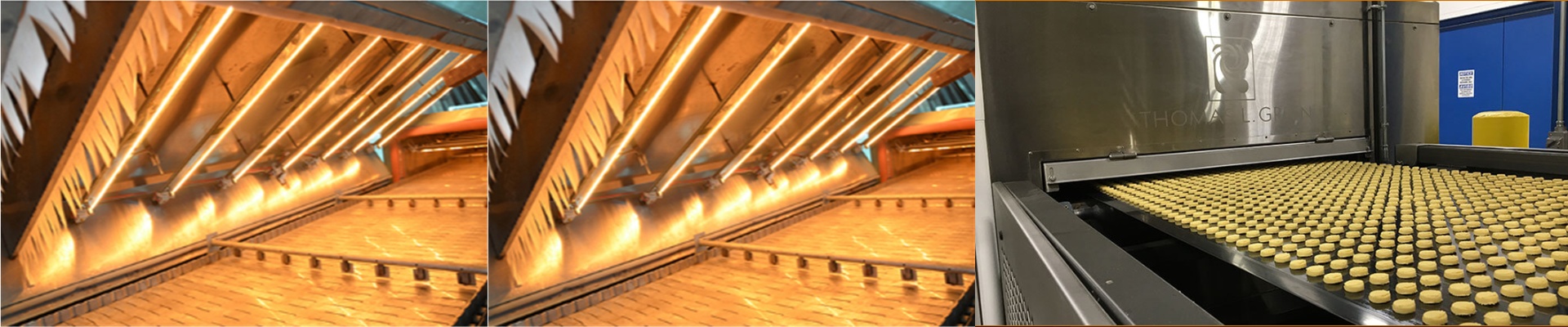
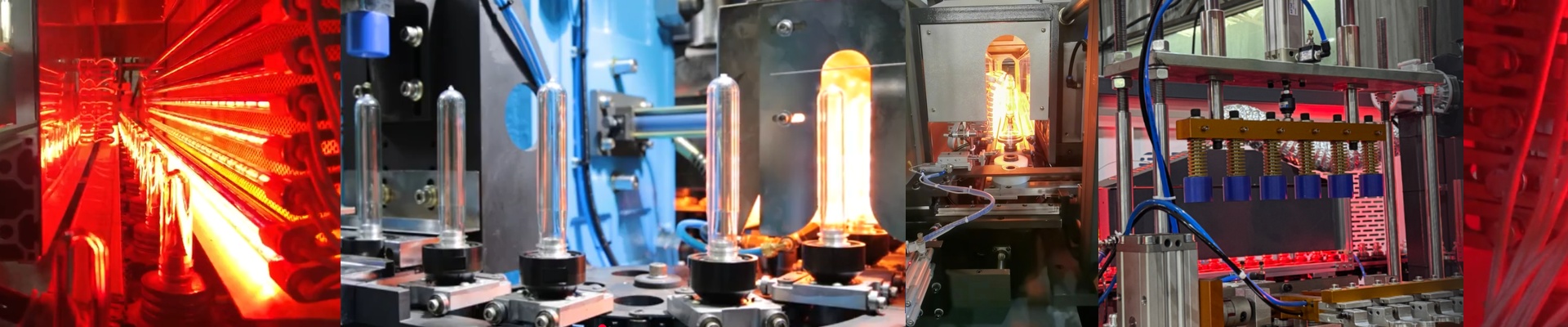
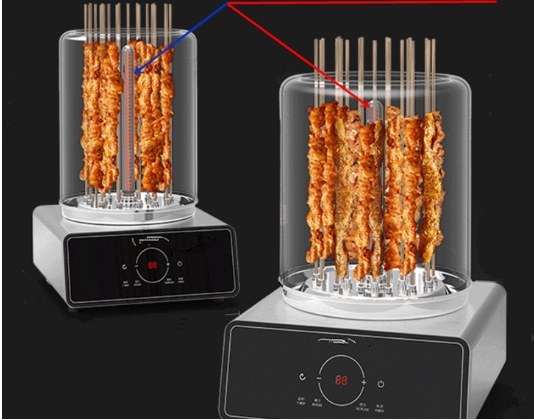
Ever feel like you’re arguing with your oven? You dial the temperature back because things are getting too hot, but the oven just keeps cooking. By the time it actually cools down, you’ve already overshot your target and ruined a batch. That’s the problem with those thick, old-school resistive coils. They have way too much “thermal inertia.” Basically, they’re like a giant freight train—they take forever to get up to speed, and once they’re moving, they’re nearly impossible to stop quickly. We handle this differently. We use short-wave infrared (IR) lamps for auxiliary heating. Instead of trying to heat up all the air in the chamber, these lamps beam energy directly onto the surface of your product.
The trick to instant response
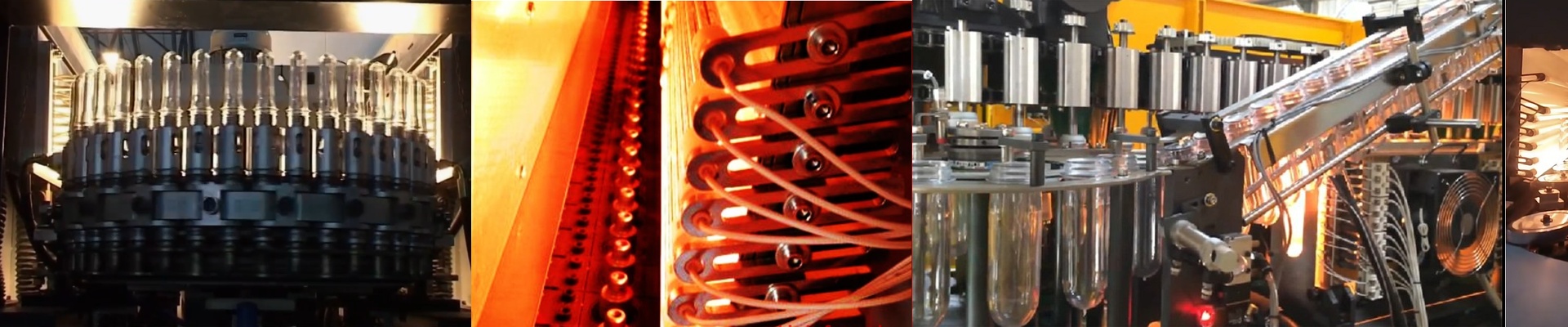
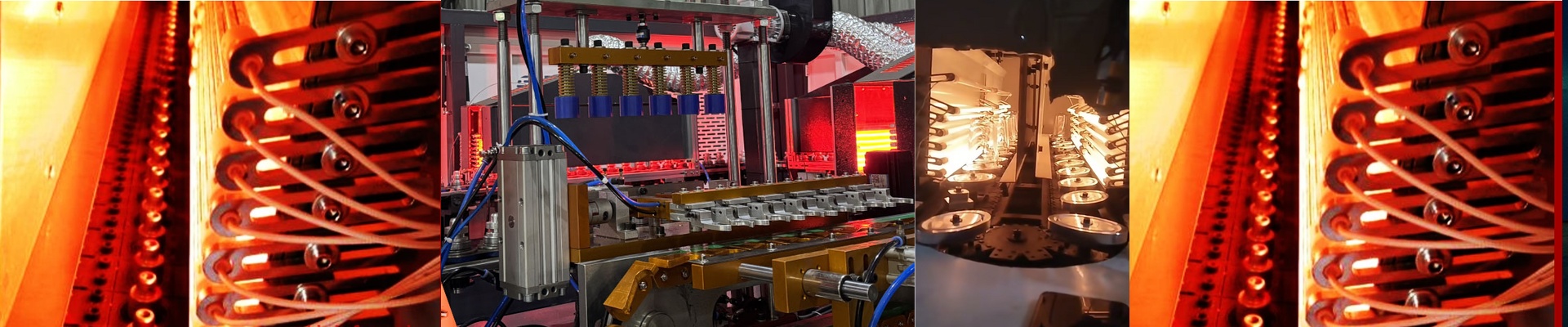
Here is the secret: the lamps are made of a thin tungsten filament and a light quartz envelope. There isn’t much material there to soak up the heat, so the lamp hits its target temperature in milliseconds. It’s almost instant. When your PID controller tells the power to cut, the heat stops. Right then. No lagging, no drifting, and no more “temperature waves.” You just get a steady, flat line exactly where you want it.
Getting it set up
You can usually slide these right into your existing auxiliary zones to replace those sluggish heaters. They’re a lifesaver when you’re trying to get that perfect browning or a snap-set crust without burning the edges. But a quick heads-up: these lamps are powerful. If your reflectors are dirty or pitted, you’re basically throwing heat away. Keep them clean. Also, check your electrical gear. Because these lamps switch on and off so rapidly to keep the temp precise, cheap relays will just click-clack themselves to death. Make sure your SSRs or contactors can actually handle the pace. Stop fighting the lag. If you need to hit a number and actually stay there, go with low-inertia IR.