Stop the “Cold Edge” Problem in Your Bread Ovens
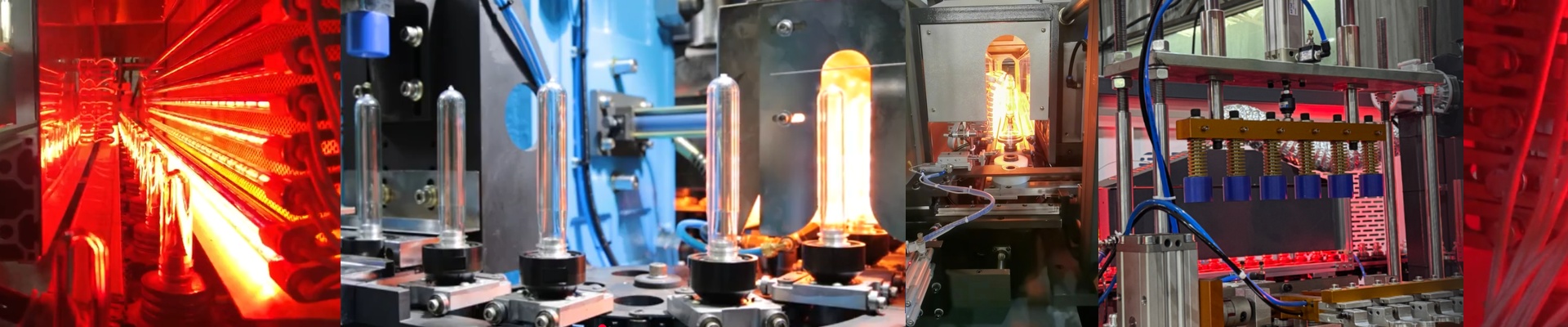
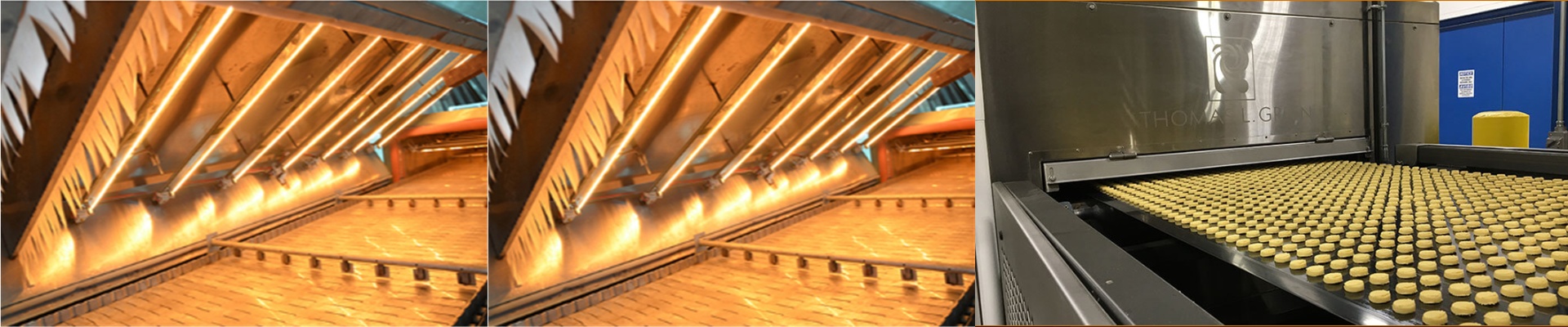
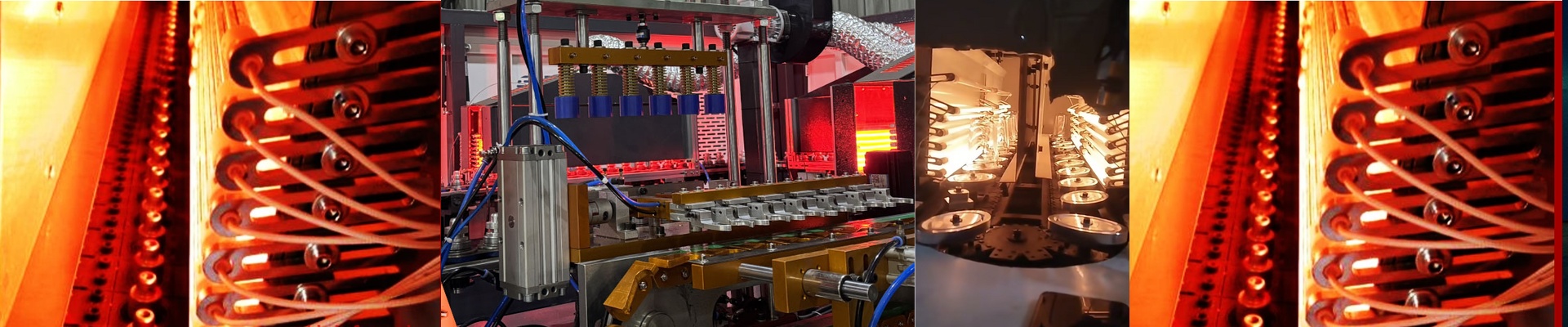
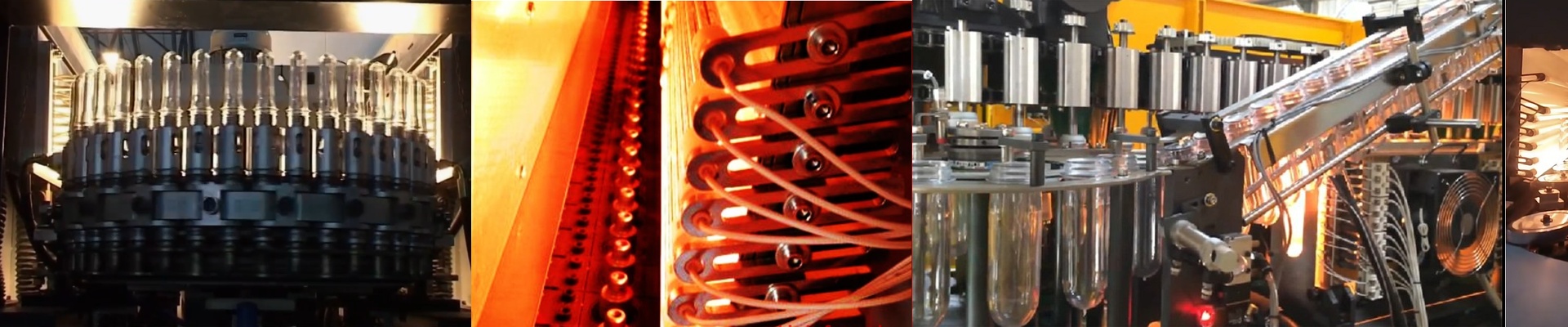
If you’ve spent any time with a large industrial oven, you know the frustration. You pull out a tray and the center loaves look perfect, but the ones on the edges? They’re pale. Under-baked. It’s a headache because it means your product isn’t consistent, and that’s the last thing you want. The problem is simple: heat leaks out of the oven walls. We call it thermal bridging, but really, it just means your edges are colder than your center. Here is how we fix it. The “Thermal Curtain” Trick Standard convection air just isn’t precise enough to fix those cold spots. That’s why we use auxiliary infrared lamps. Think of these lamps as a “thermal curtain.” We place them right along the perimeter of the oven. Instead of trying to heat the air, they use short-wave radiation to punch straight into the dough. The best part? You get a perfectly golden crust across the entire sheet without having to crank up the heat for the whole oven. If you just raised the overall temperature, you’d end up drying out the loaves in the middle. This way, you only put the heat where it’s actually needed. The Gear Inside We use high-purity quartz glass for the lamps. Why? Because these things go through a lot of rapid heating and cooling. Cheap glass would just crack under that kind of stress. We also keep the electrical side simple. We spec the lamps to match whatever you’re already running—usually 220V or 380V. You won’t need to mess around with bulky, annoying transformers. A Few Things to Keep in Mind Installing these is pretty straightforward. They’re designed as drop-in add-ons with standard connectors, so you can get them wired up and running quickly. But, a word of caution. These lamps pack a serious punch. If you crowd them too closely or use a cheap reflector, you could actually warp the outer skin of your oven. Also, don’t forget about your fans. These lamps add more heat to the environment, and if your ventilation can’t keep up, the lamps will burn out way faster than they should. Just make sure your cooling system can handle the extra wattage, and you’re good to go.