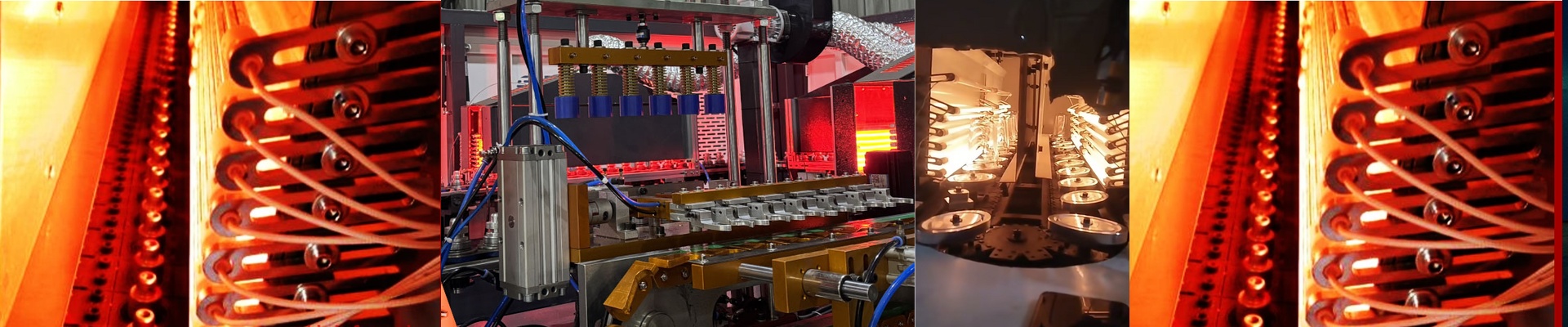
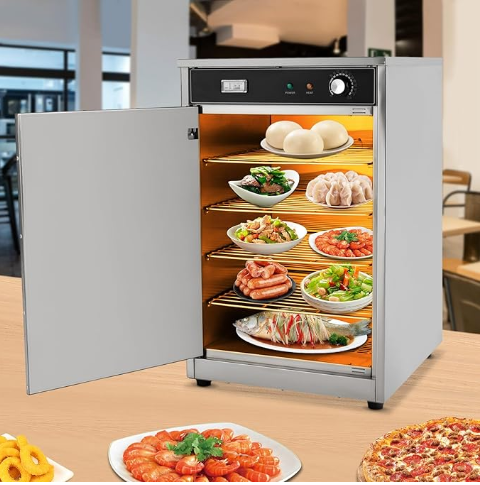
Keeping Steam-Oven Heaters from Burning Out
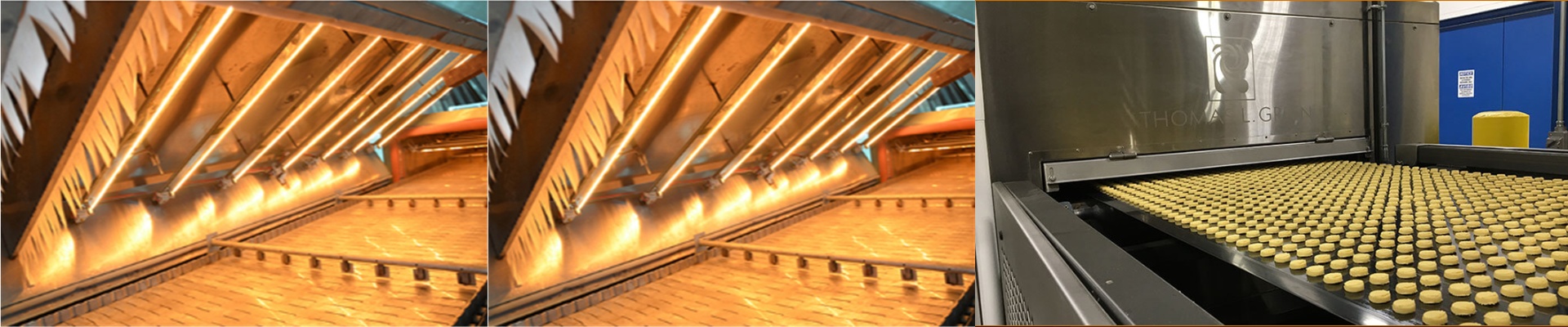
Let’s be honest: steam ovens are a nightmare for heating elements. You’ve got thick humidity and wild temperature swings hitting your tubes every single time you start a cycle. It’s a brutal environment. To get that fast heat without the tubes just giving up on you, we lean on short-wave infrared quartz. Speed is everything. If you’re waiting minutes for an oven to heat up, you’re losing money. We build these tubes to hit target temperatures in seconds. Because we use a high-wattage quartz envelope, the energy jumps straight from the lamp to the food. It doesn’t waste time heating up the air first. It’s just fast. Really fast. The battle against moisture. Here’s the real problem: the seals. In a steam oven, moisture loves to sneak into the electrodes. Once that happens, you’re looking at short circuits or a dead element. We fixed this by reinforcing the seals at the ends of the tubes. This keeps the internal halogen gas pure. Why does that matter? Because if that gas leaks, the filament oxidizes and snaps. End of story. We also use high-purity quartz glass. It can take the shock of a steam injection without cracking. But a word of advice:**keep them clean.**If grease builds up on the glass, you get hot spots. Those spots create stress, and eventually, the tube just ruptures. Getting them installed. We made these as drop-in replacements. They fit right into standard toaster and oven footprints, and we use standard connectors so the electrical fit is tight. You don’t want loose connections—that’s how you get arcing and melted housings, which is a mess nobody wants to deal with. One last thing. These high-output tubes pull a lot of power. If you’re running a bunch of these banks at once, make sure your wiring gauge is thick enough. Otherwise, you’ll deal with voltage drops. And give them some room to breathe; proper venting keeps the sockets from overheating.