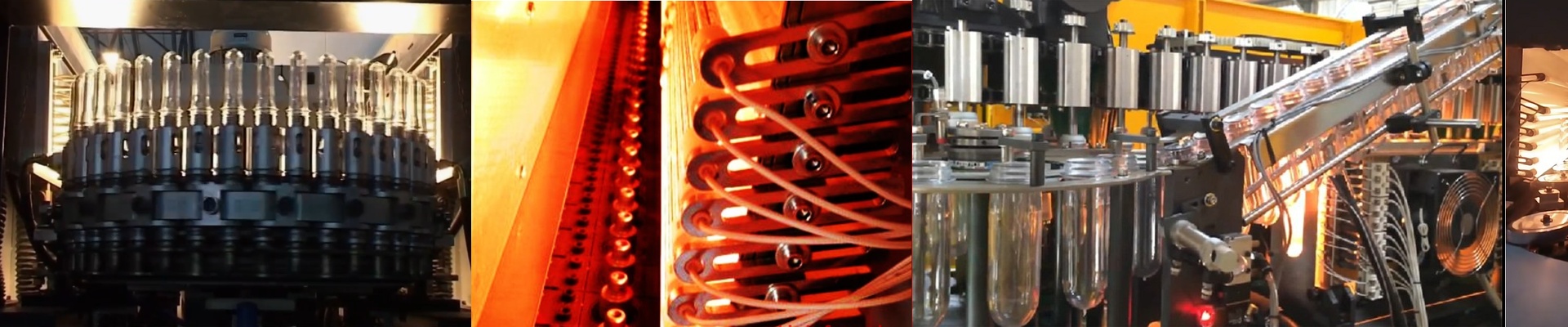
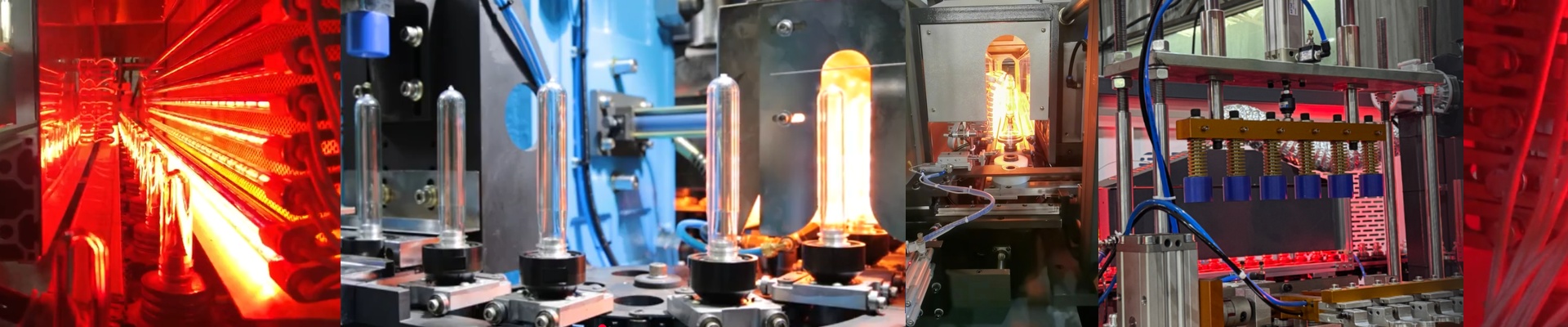
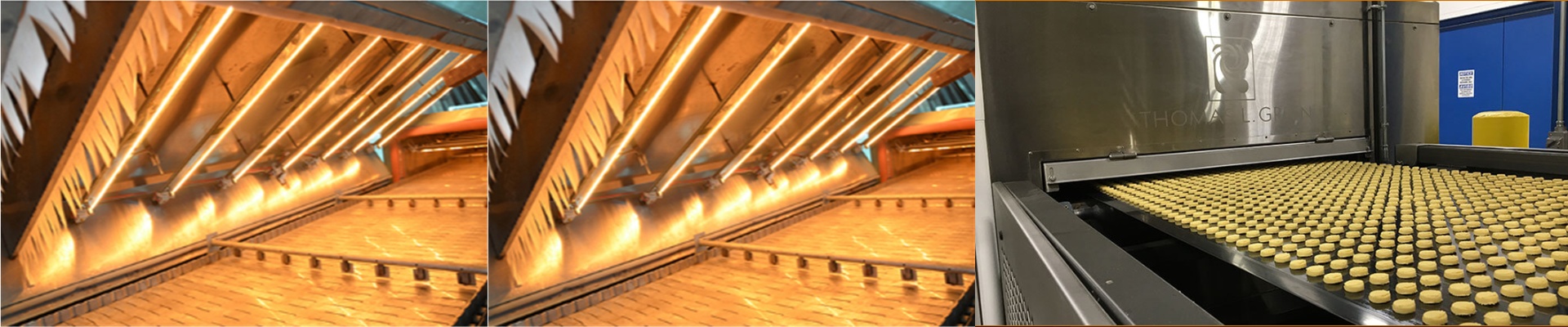
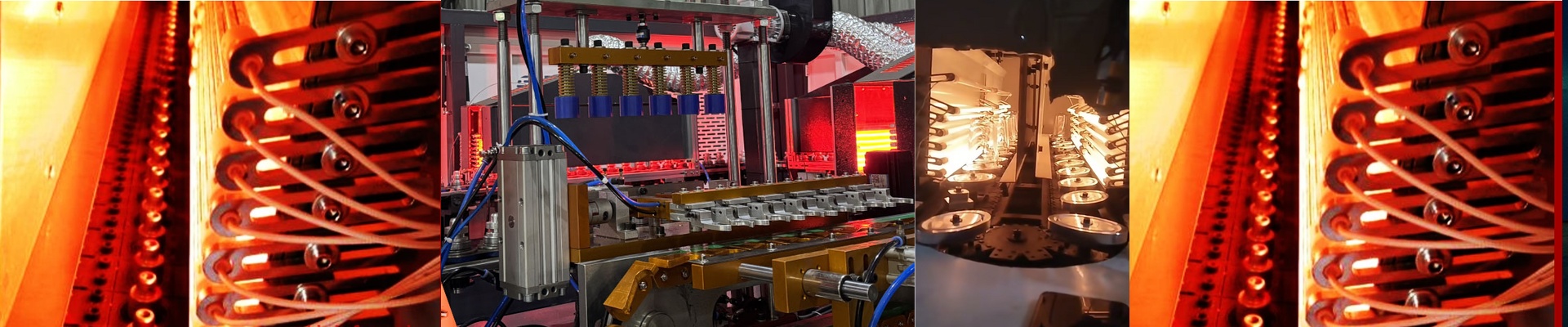
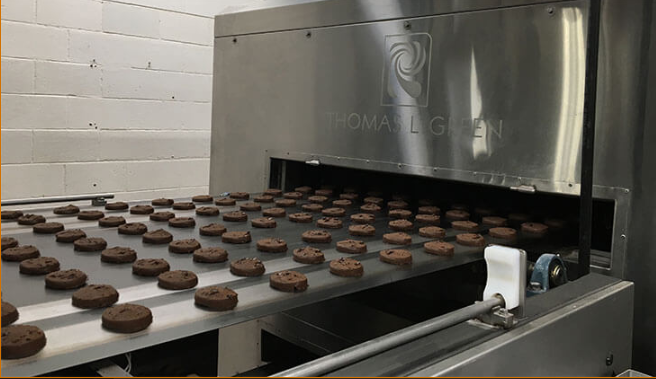
When the rush hits, you can’t wait around for the deck oven to climb back to temp. That lag costs you time and consistency. Here’s the part that makes the difference: a high-temperature quartz tube that throws controllable infrared heat on demand. It turns heat into output, not downtime. What matters under the hood Quartz infrared tubes heat fast because they convert electricity straight into radiant energy—no heavy mass to preheat. You get near-instant response: full power in seconds, then the ability to trim down and hold setpoint immediately. That short-wave output penetrates toppings and the dough surface quickly, promoting even browning and controlled caramelization without scorching the edges. For commercial ovens, we spec tubes built for continuous high-temp duty, with consistent resistance, stable emissivity, and terminations rated for the amperage your control system is delivering. In practice, that means tighter temperature stability across the stone hearth and fewer swings every time the door opens. Why it works in a busy kitchen When service hits, speed and repeatability are the only metrics that matter. Quartz infrared gives you both. Bake cycles start faster, so you squeeze more turns through the peak period. Because the heat is radiant and even, you get uniform crust color across trays—fewer rejects, fewer call-backs. Energy use drops, too. The tube only heats when it’s needed, and the oven recovers quickly between loads. On rotary and convection ovens, that rapid response smooths out the temperature profile when doors open and close, keeping product quality steady even when the staff is moving fast. What you need to watch Quartz tubes are straightforward to install, but they need proper mounting and clearance. Keep terminals clean and torqued, and match voltage and wattage to the oven’s rated load. These tubes run hot at the surface, so protect against accidental contact and make sure airflow around the element housing is adequate. Handle with care—quartz is strong, but it’s brittle. Build inspections into your maintenance schedule so you catch end-of-life before output drift starts to show up in bake quality.