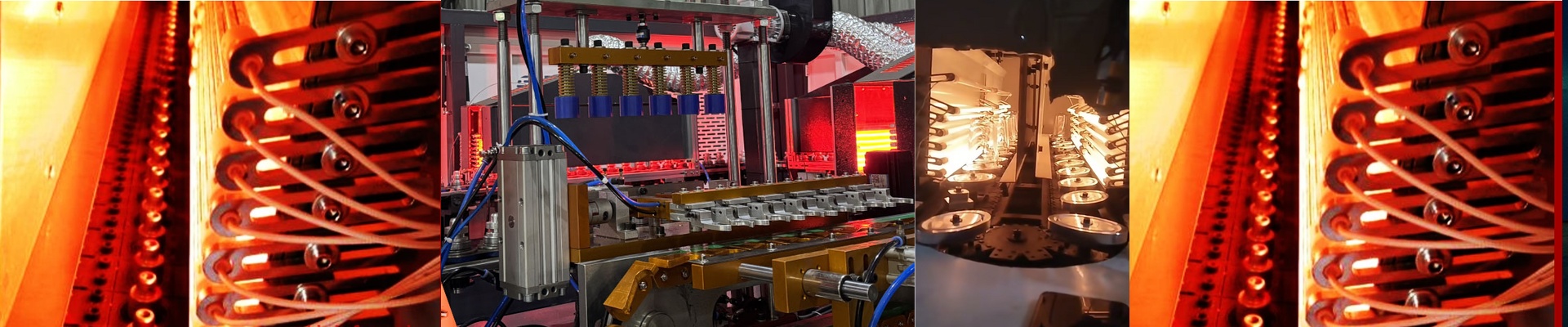
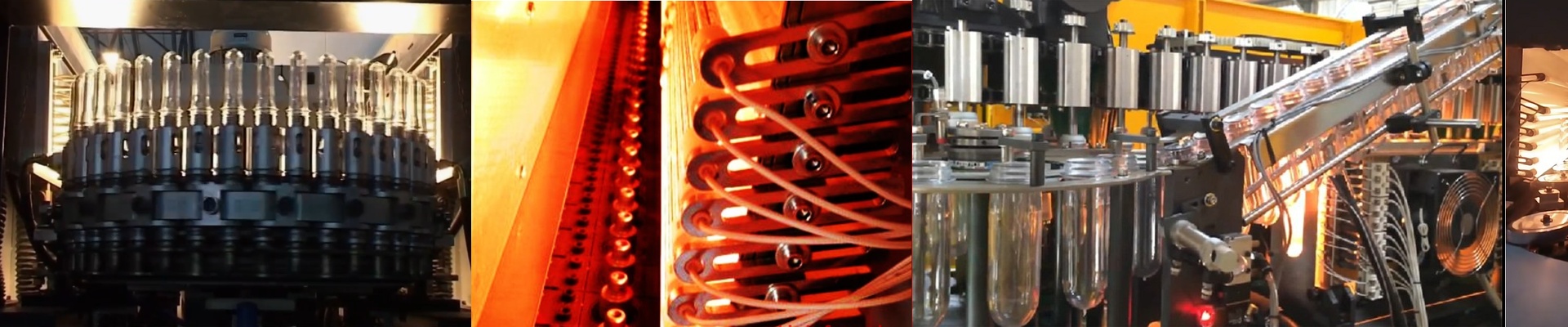
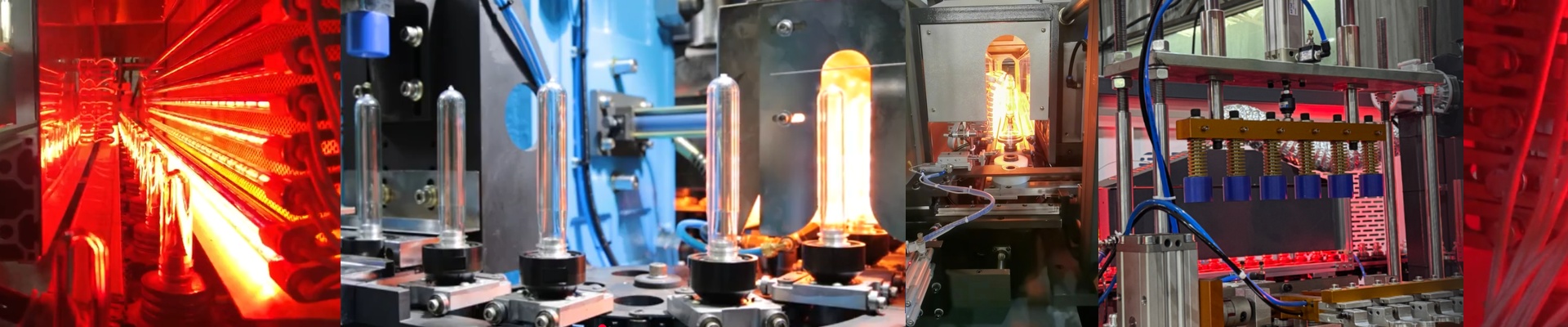
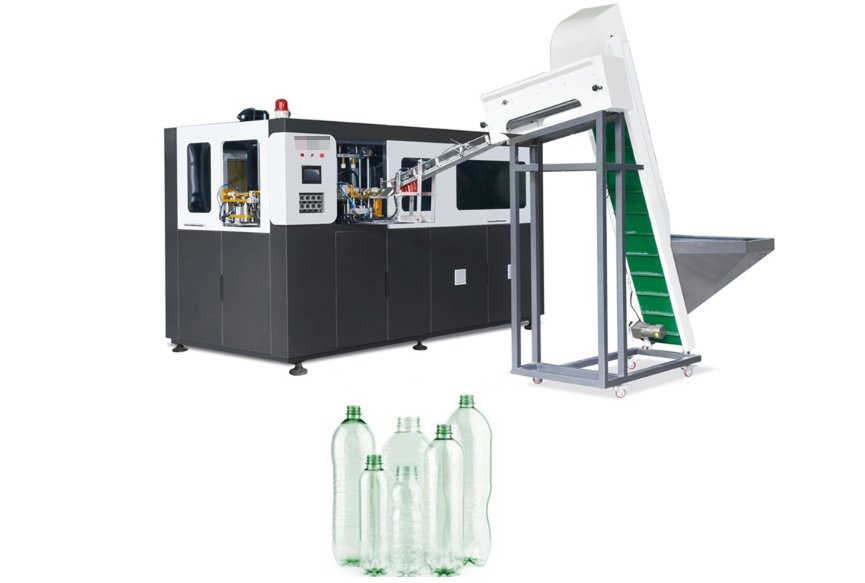
On the blow molding line, the heating tunnel doesn’t negotiate. Preform temperature has to hit the setpoint—and hold there—consistently, shift after shift. If emitter output starts drifting, you’ll see inconsistent stretch, flashing, or worse: a sudden scrap event that stops the whole machine while you chase the root cause. That’s why a 3000W quartz heating element isn’t “just another lamp.” It’s a defined thermal load, matched to the preform heating curve your blow molder was built around. When you replace a halogen or quartz infrared emitter in a Sidel, Krones, SIPA, Husky, SACMI, or Nissei ASB blow molder, the element needs repeatable output, fast response, and stable temperature under real tunnel conditions—air movement, reflector geometry, and continuous cycling.
What matters, technically
We spec the quartz heating element at 3000W for one reason: it reproduces the heat flux the machine expects, without guesswork.
- **Power and output:**3000W gives predictable infrared output that lines up with OEM heating profiles. Too low, and the preform misses the ideal temperature window. Too high, and you’re fighting thermal lag and overshoot.
- **Fast thermal response:**Quartz infrared emitters heat up and cool down quickly, which matters when the machine is cycling and heating zones are switching on and off. That responsiveness helps cut temperature swings during start-ups and short stops.
- **Wavelength behavior:**Short-wave infrared from a quartz element penetrates the preform wall effectively, heating from the inside out. The payoff is more uniform heating across the preform body and shoulder—critical in stretch blow molding where distribution has to be even.
- **Mechanical fit:**The element has to match the lamp holder and reflector system. Many blow molding machines use standard lamp ends and centering geometry—often an R7s-style base and a specific overall length. If the length is off by a few millimeters, the lamp won’t seat right, alignment goes sideways, and output turns uneven.
- **Installation details:**Terminal condition, ceramic insulation, and quartz tube integrity decide whether the element survives the tunnel environment. Vibration, thermal cycling, and cleaning routines all stress the same weak points.
Why it works where it matters
In blow molding, uptime really begins in the heating tunnel. Preforms move through a controlled infrared field, and every zone has to hit temperature fast—then hold it. Run a 3000W quartz heating element matched to your blow molder’s design, and you get three practical gains that show up on the production board.
- **More consistent bottle quality:**Stable preform temperature reduces variability in stretch ratio and wall distribution. That means fewer thickness issues, fewer stress marks, and less scrap from cosmetic defects that trace back to temperature drift.
- **Less unplanned downtime:**When an emitter fails, the line doesn’t wait. You want a replacement that drops in, aligns, and comes up to temperature without retuning the whole heating profile. Proper fit and repeatable output deliver exactly that.
- **Predictable energy use:**The 3000W rating is a measurable constraint. It keeps the heating zone inside the expected power envelope, which helps keep energy per thousand bottles stable. It won’t rewrite your electricity bill, but it stops the spikes that come from mismatched emitters and compensating with higher setpoints. On the floor, that translates to fewer temperature-related rejects, fewer emergency changeovers, and a heating section that behaves the same at 3 p.m. as it does at 3 a.m.
What to watch for
A 3000W quartz heating element is straightforward to install, but it has real-world constraints. Treat it like the precision component it is.
- **Match dimensions and connections.**Confirm overall length, base type (often R7s), and terminal configuration. If the lamp doesn’t sit squarely in the holder, you’ll get hot spots, uneven heating, and shortened life.
- **Handle it right.**Don’t touch the quartz tube with bare skin. Oils and residues create hot spots that accelerate degradation. Use a clean, lint-free cloth—or the sleeve it ships in.
- **Control the environment.**Excessive airflow across the emitter can cool the quartz tube and shift the heating curve. If your tunnel airflow is aggressive, verify airflow patterns and reflector alignment to keep the thermal field stable.
- **Expect a warm-up period.**Quartz infrared emitters reach operating temperature quickly, but the whole heating zone stabilizes over a few minutes. Factor that into changeovers and startup procedures.
- **Plan replacement timing.**Even a good quartz element ages. Output drops over time. Schedule replacements based on hours and observed stability, not just when it fails. That prevents the slow quality drift that shows up as intermittent defects. If your blow molder is running, the heating tunnel is why it can keep running. Install a 3000W quartz heating element that matches the machine’s spec, treat it with the same discipline you apply to molds and valves, and you’ll get repeatable preform heating—shift after shift. If you want to confirm the exact length, base type, and terminal fit for your specific blow molding machine model, give us the OEM and the lamp location. We’ll match the part that belongs in that tunnel.