
Stop Fighting Your Oven’s Lag
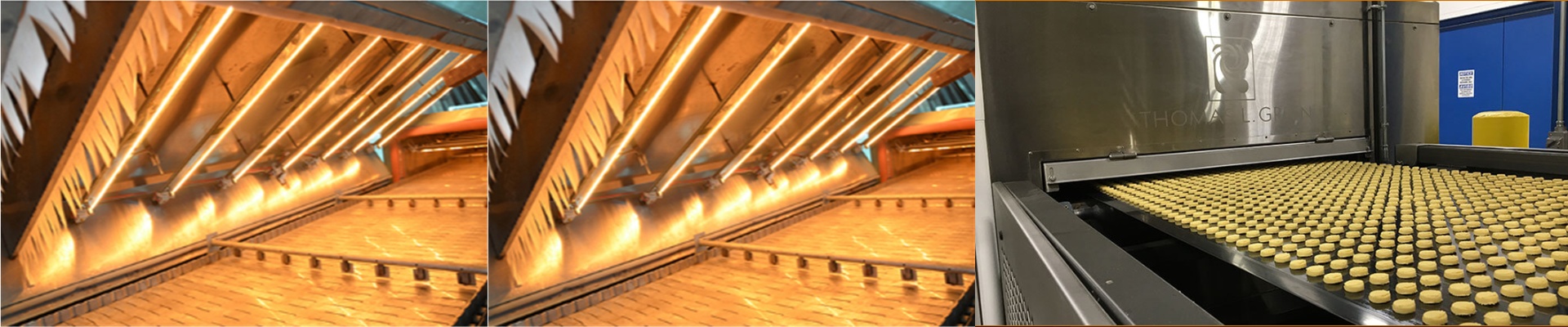
If you’ve ever dealt with a bakery line, you know the frustration. You need the heat to drop now so your crust doesn’t burn or skin over, but the oven just keeps pumping out heat. It’s like trying to steer a ship—by the time it turns, you’ve already hit the rocks. That’s why we built the Ruby infrared lamps. They’re designed for those fast, choppy switching cycles where traditional heaters just can’t keep up.
Heat That Actually Listens
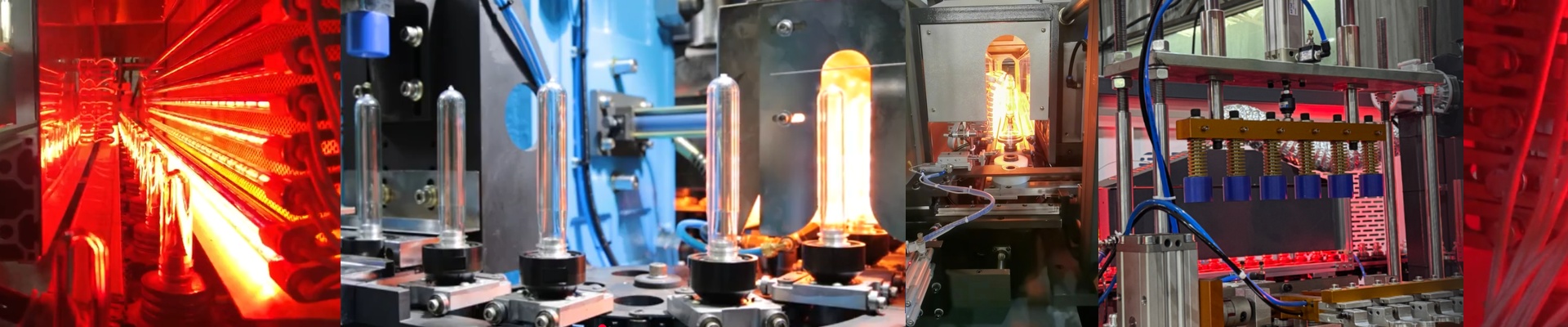
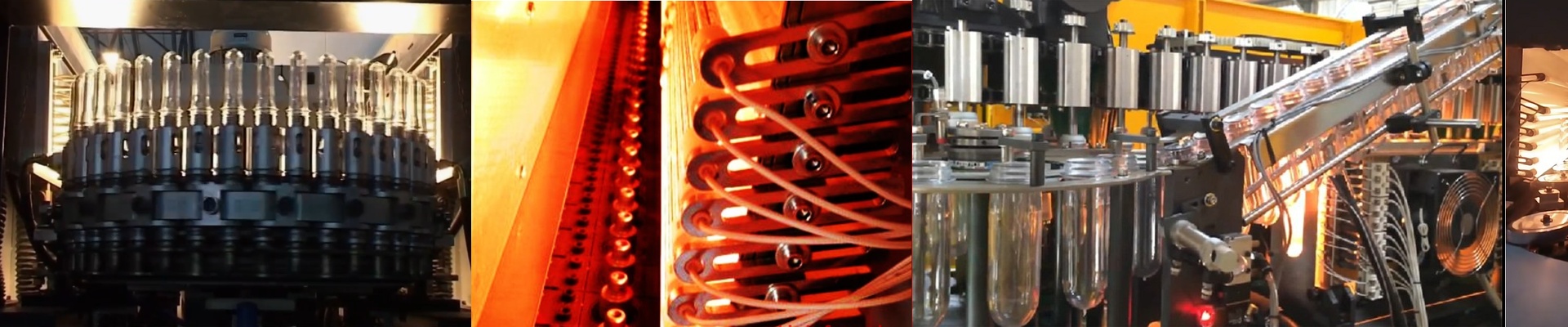
Most heating elements are just big blocks of thermal mass. They take forever to warm up and even longer to cool down. It’s a slog. We do things differently. By using shortwave infrared and a halogen-filled quartz envelope, the filament hits its peak temperature in seconds. And the best part? When you kill the power, the heat stops almost instantly. No more “overshoot.” No more guessing. You get a crust that looks and feels exactly how it should every single time.
Built to Take a Beating
Here’s the thing: flipping a heater on and off constantly usually kills the filament. The thermal shock just snaps it. We fixed that by tweaking the gas pressure and the alloy we use for the filament. It’s tougher. It doesn’t panic when the power cycles rapidly. We also beefed up the electrodes so they don’t pit or wear down over time. One quick tip on the electrical side: make sure your SSRs (Solid State Relays) can actually handle the load. If you’re switching fast, you might run into some electrical noise that messes with your PID controllers. Just use some shielded cabling to keep things quiet and clean.
A Few Things to Keep in Mind
These lamps pack a massive amount of heat into a tiny space. They’ll slide right into most industrial radiant banks without any fuss. But there is a catch. Because they’re so intense, the quartz glass is a bit picky. If flour or fats splatter onto the tube, they’ll bake on instantly and create hot spots. That’s a shortcut to a dead lamp. Keep them clean. Or, if you want to save yourself the headache, throw a protective quartz sleeve over them. It’s a small step that saves a lot of downtime.