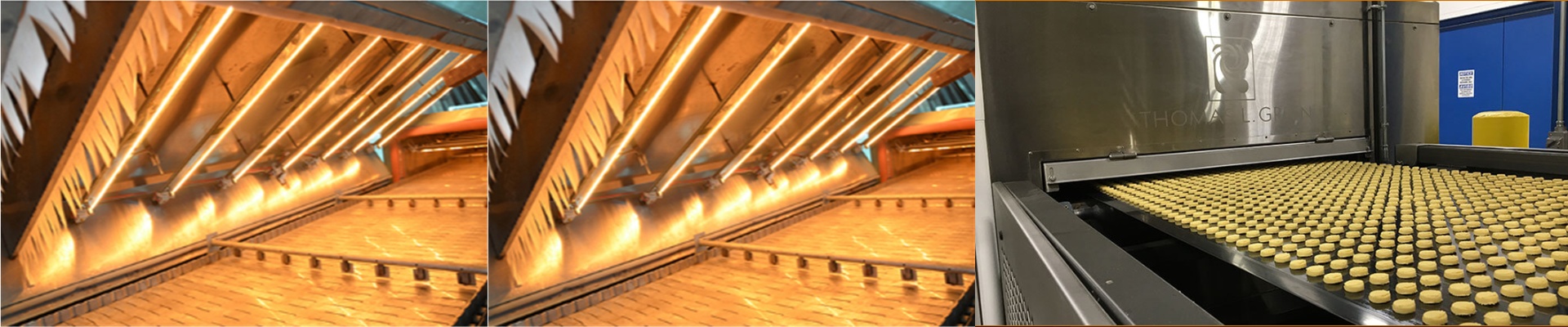
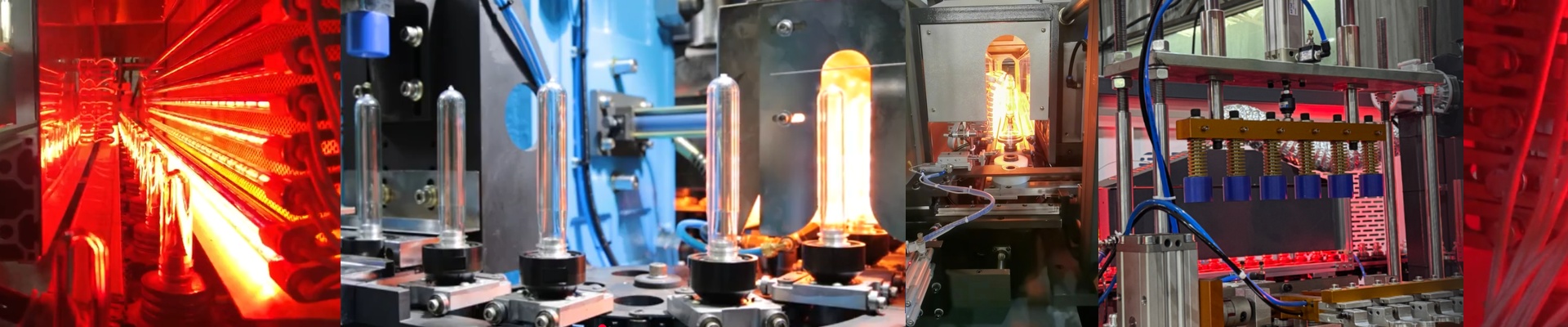
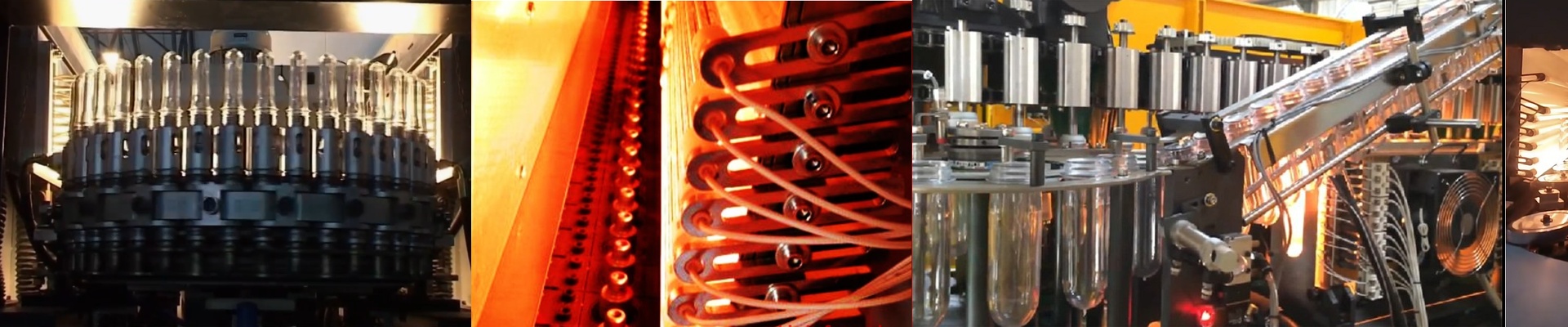
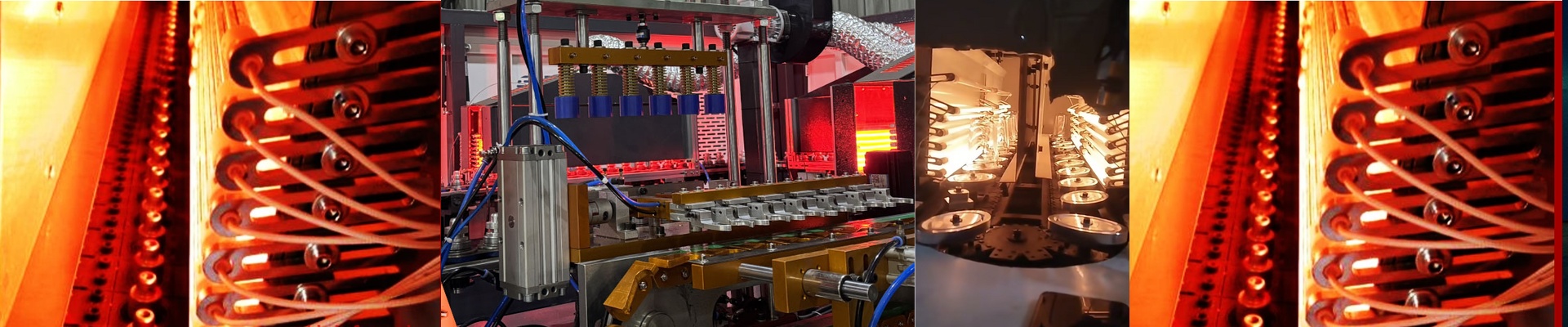
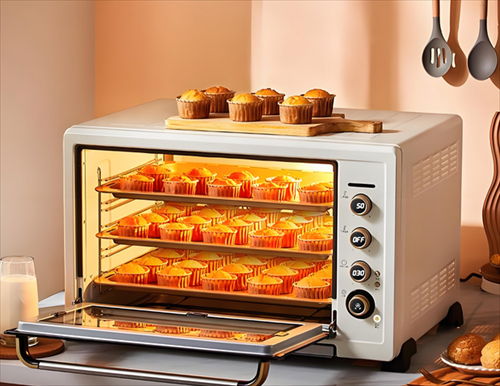
When the morning rush hits, you can’t afford to wait on your deck oven. Preheat lag eats minutes and margins, and uneven heat means you end up patching bakes—underdone centers, edges scorched before the rest even catches up. What you need is heat you can switch on and trust, immediately. What’s actually happening, technically Ruby IR heaters use short-wave quartz emitters that throw intense, directional radiant energy. They come up to output fast, so the baking chamber heats without the long soak you get from heavy thermal mass. The elements run on a tight thermal profile and snap to what the thermostat calls for, and the emitters sit in a rugged, service-friendly assembly built to handle steam, flour dust, and the daily scrub-down. Specs are matched to commercial deck and rotary ovens, with standard voltage options and solid terminal blocks for a connection you can count on. In a busy bakery, speed without quality is just noise. These IR heaters slash preheat, so you start baking sooner and keep the line moving. Radiant heat hits the product directly, giving you even caramelization across the crust while the interior finishes clean. No more chasing hot spots or rotating pans mid-service. You turn out more bakes per hour, trim energy use per cycle, and stop spending time troubleshooting temperature swings. For deck ovens, that means stone hearth performance that stays consistent from the first loaf to the last. Here’s the part that matters on the floor. IR heat is intense, and it needs respect. Mounting height and emitter spacing have to match the oven cavity and what you’re actually baking; set them wrong and you’ll get localized overheating. Before installation, verify oven compatibility and clearance, and make sure the control strategy is right—IR performs best with a controller that understands its response time. Treat the quartz emitters as wear parts and plan replacement intervals. Do that, and uptime stays predictable.