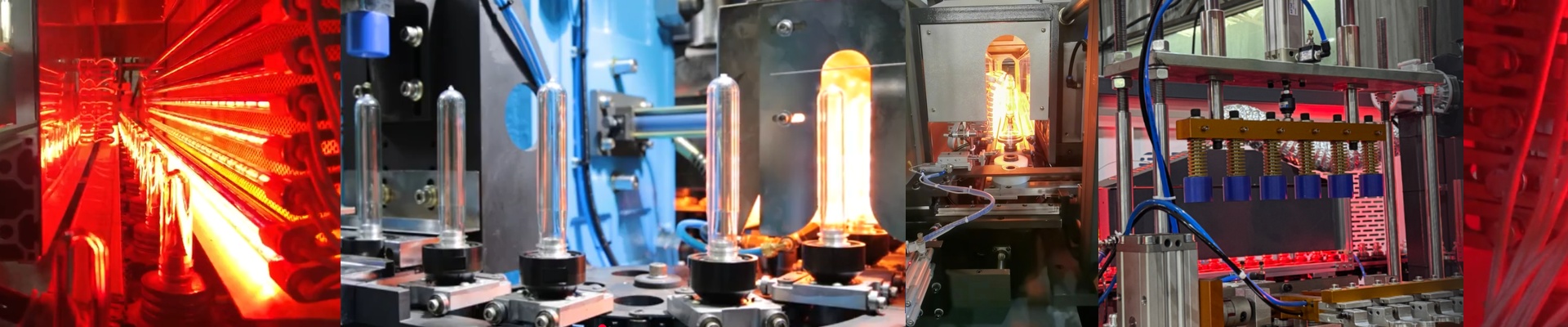
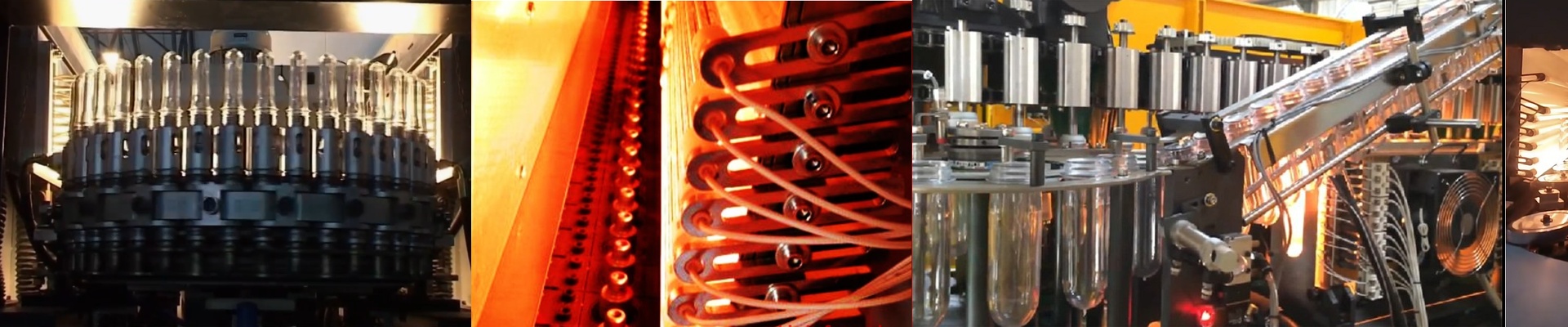
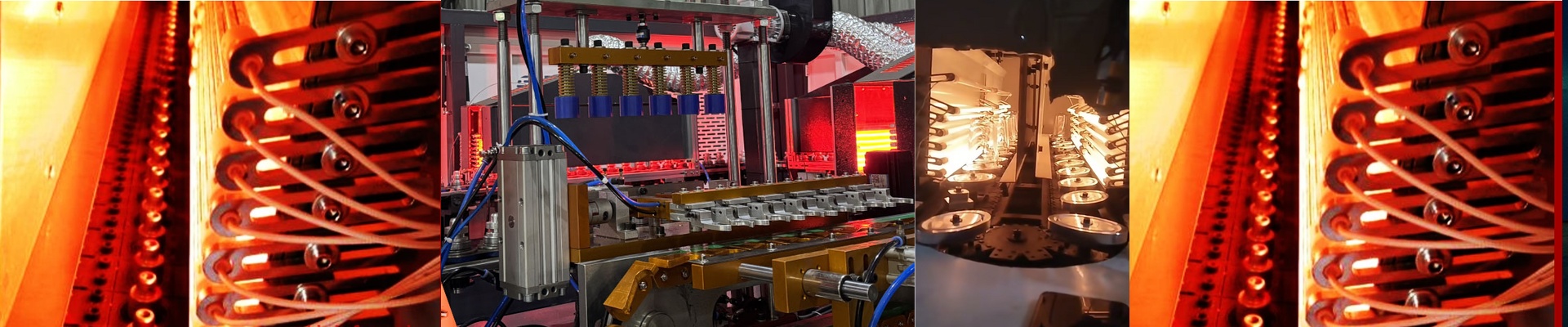
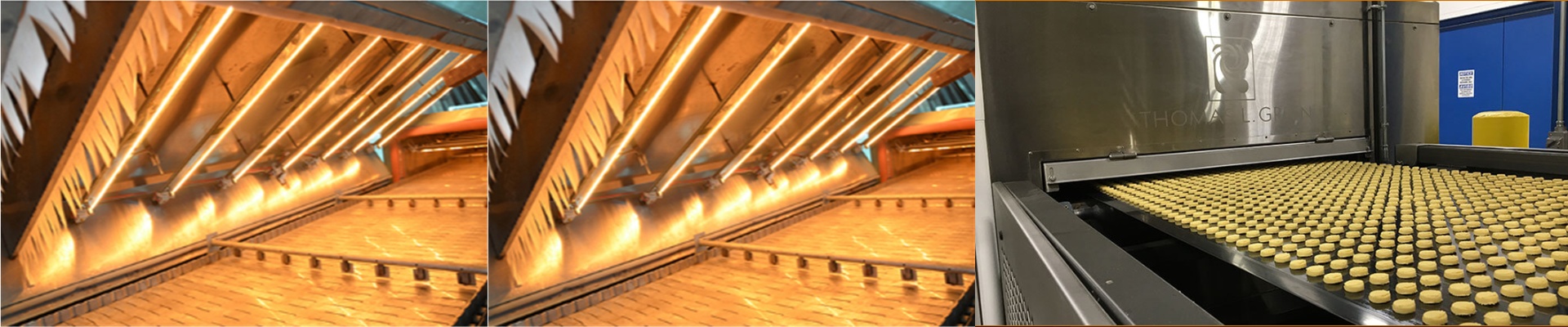
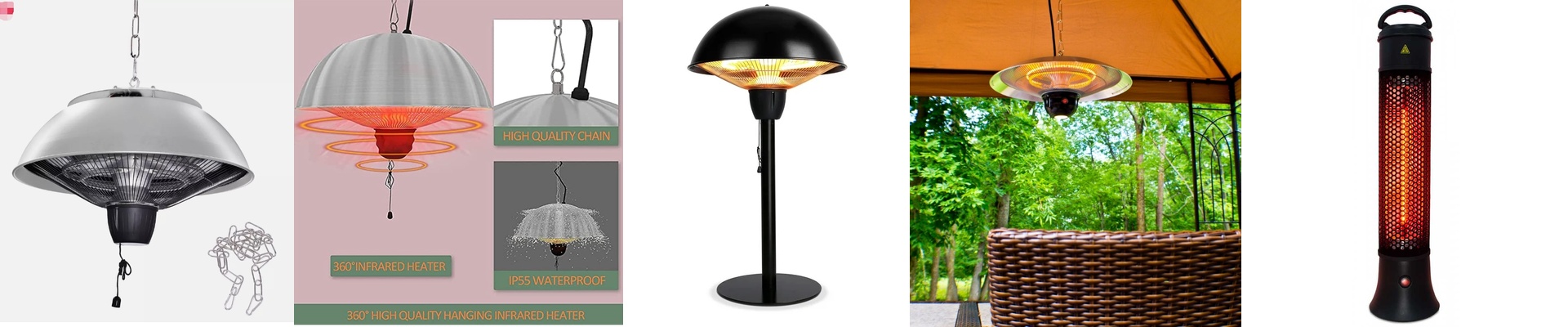
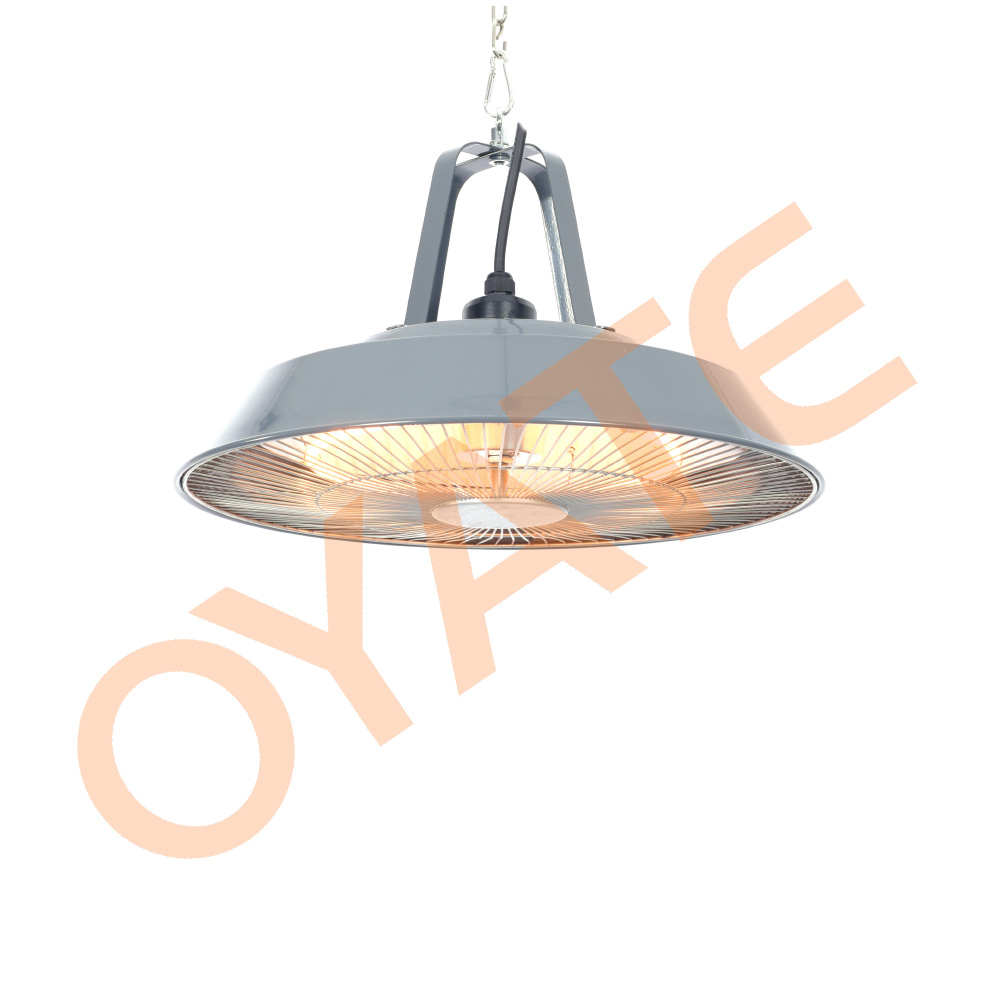
When winter really digs in around the workshop, the air turns mean. Hands go stiff, focus slips, and the whole job slows down. Air-only electric heaters make you wait for the heat, and waiting costs you. Infrared radiant heat flips that script—because it puts warmth where you need it most: on people, on surfaces, on the work itself.
What’s actually important, technically
Infrared electric heaters earn their keep by turning electricity straight into radiant energy. Quartz tubes hold the element, come up to temperature fast, and throw heat out with minimal air movement. You feel it within seconds, not minutes. Most industrial electric heaters are built for 240V or 380V three-phase circuits, so they can run longer without tripping standard outlets. A solid thermostat holds the space at the set temperature, and a tough housing plus a proper IP rating helps the unit shrug off dust, drafts, and occasional splashes. For a workshop, look for models that pair a durable quartz tube with a steel or aluminum reflector. That’s how you get the warmth aimed exactly where it needs to go.
Why this works in a workshop
In a shop, the goal is straightforward: keep people comfortable and keep the process steady. Infrared warmth heats bodies and tools directly, so you don’t have to warm the entire volume of air. That means quicker warm-up, more consistent work quality, and less wasted energy. People stay limber, circulation stays better, and you reduce the strain that cold air puts on joints and muscles. In maintenance bays, loading docks, and on production lines, the payoff is fewer pauses and fewer complaints. The space feels usable, even on the coldest days. It’s not just equipment—it’s making the workday safer and more human.
What you need to know
Infrared electric heaters are simple to install, but they do need the right electrical supply. Match the voltage and circuit capacity to the heater’s rating, and run a dedicated line when you can. Clearance matters. Keep the unit away from combustible materials and make sure airflow around the housing is unobstructed. Radiant heat warms what it “sees,” so plan the aim and coverage to avoid cold spots. If the space has high ceilings or heavy drafts, a second unit—or smarter placement—keeps the warmth even and consistent.