What Makes This Heater Tick
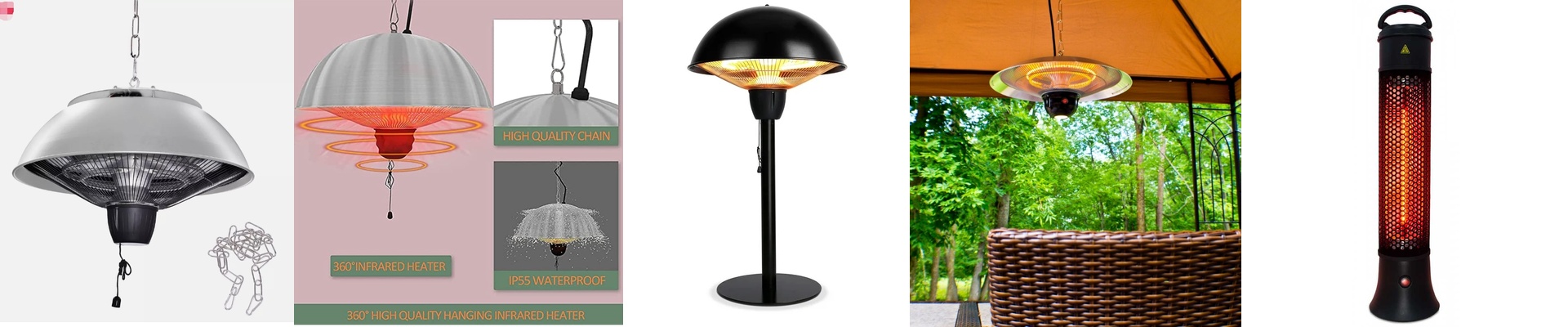
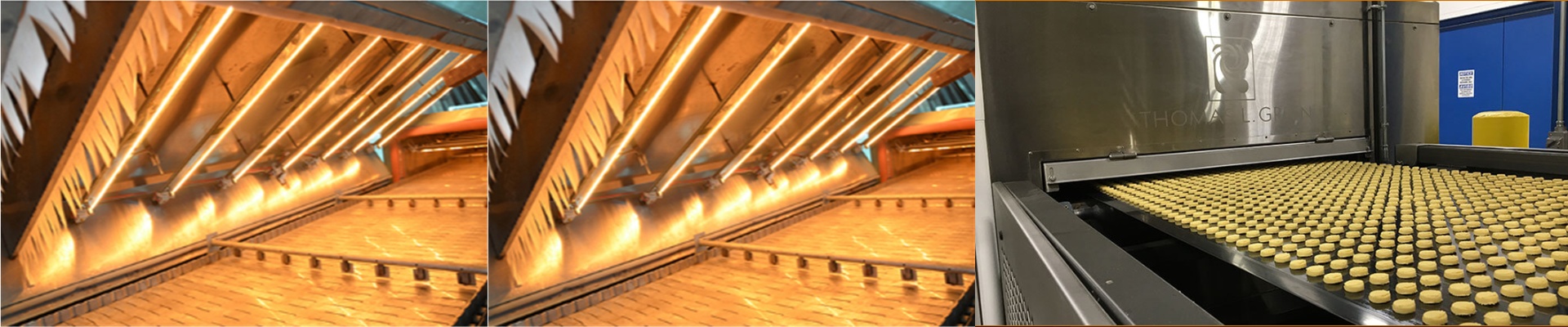
Here’s the thing about these decorative electric heaters: we built them around a specific power profile. The goal was simple—pack a ton of heat into a small footprint. The heart of it is a 400V halogen tube, about 300mm long, that cranks out 2500W of focused heat. That kind of power density is exactly what you need when you’re heating a specific zone but can’t afford to waste valuable machine space. Just so you know, though, it runs on 400V. This isn’t your standard 110V plug-and-play unit. You’ll need to make sure your electrical setup is ready for the higher voltage.
The Materials and Design, Explained
We use a shortwave halogen element tucked inside a quartz tube. The beauty of this design is how it keeps the element itself scorching hot while the outer surface stays much cooler. That’s a must for safety, especially when the heater is out in the open. The tube itself has a special coating, built to handle sudden temperature changes and resist wear and tear over time. For the electrical connection, we went with an R7s base. It’s a standard, double-ended connector that’s a direct fit for linear tube heaters. That means swapping one out on the shop floor is quick, easy, and reliable.
How It Holds Up on the Job
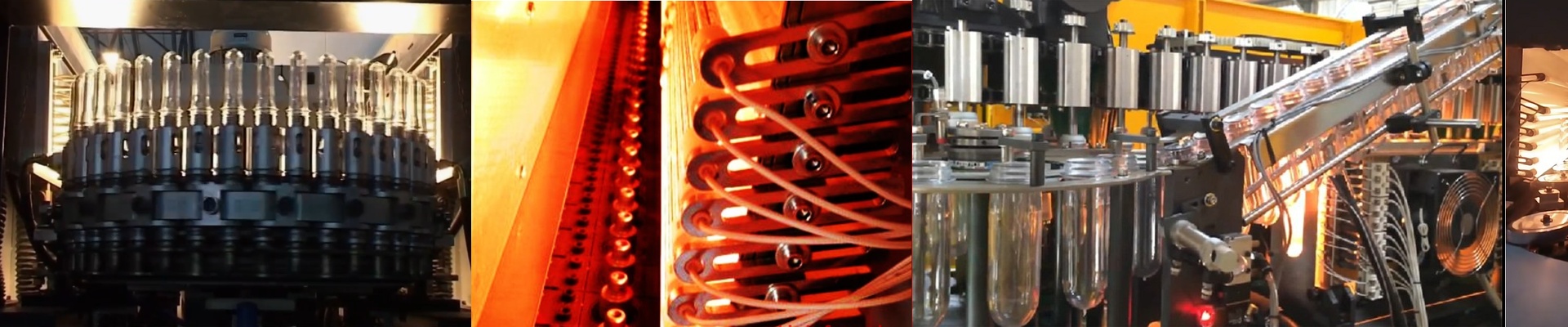
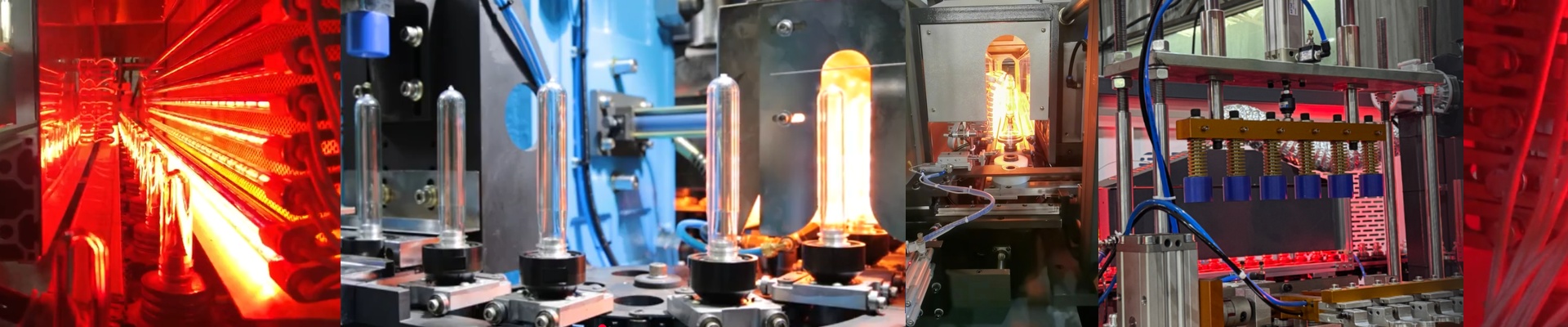
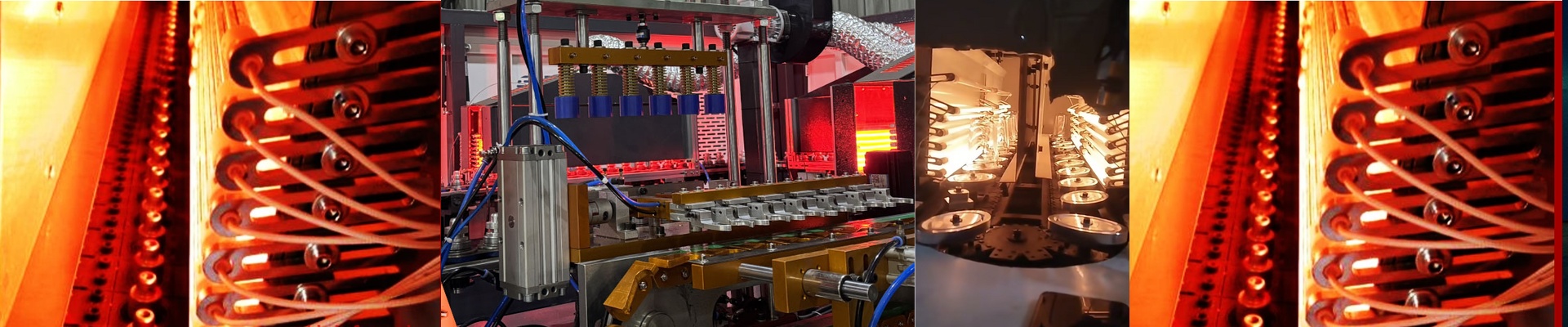
In the real world, this thing is built to take a beating, especially in a rough industrial environment. The R7s connector locks in tight, so even with constant vibration, you won’t get any flickering or arcing. And the response is almost instant. The halogen element hits its operating temperature the second you turn it on. It’s a direct replacement, too. No need to redesign your whole setup. Just wire it in, and it’s good to go. Just keep one thing in mind: with all that concentrated heat, you’ll want to make sure the components nearby can handle the higher ambient temperature.