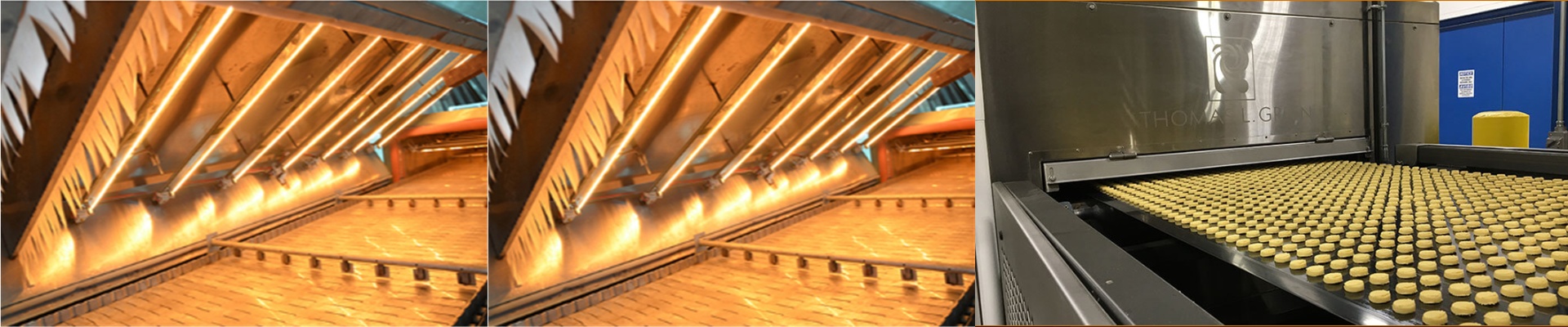
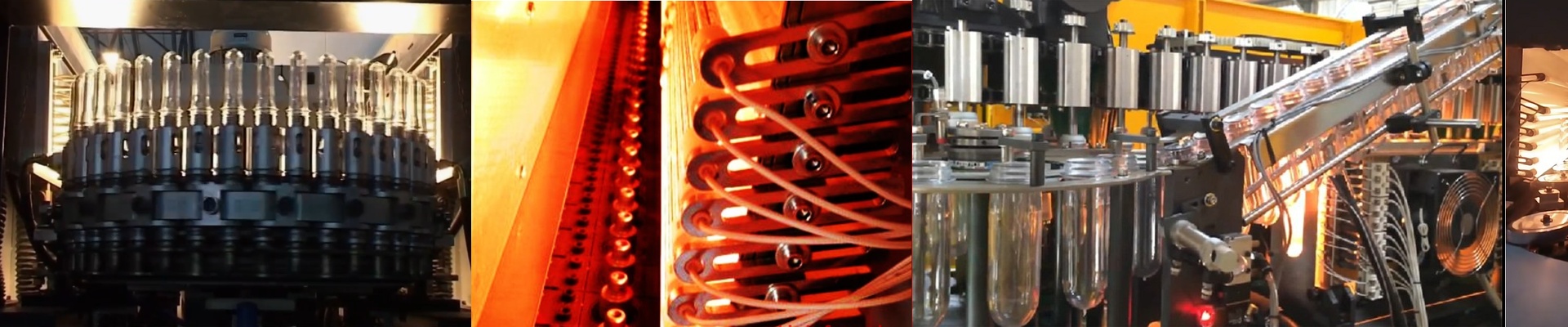
When the rush hits, a rotary oven that can’t get hot fast becomes the bottleneck you can’t afford. Preheat lag and uneven bakes eat minutes, and minutes eat margin. We built our rotary oven infrared lamp for the line where speed and consistency are the only options. What matters under the hood This lamp uses short-wave infrared to drive energy straight into the dough, not the air around it. The stainless steel housing protects the element and reflects heat forward, so the energy goes where it does the work. Infrared brings the baking chamber up fast, hitting target temps in a fraction of the time compared to conventional elements. Paired with a tight thermostat, it holds setpoint without chasing swings, so every load comes out the same. Why it works in a real bake Fast recovery means you can turn the rotary oven more often without losing quality. Crust sets early, the crumb sets clean, and caramelization hits on schedule. You get consistent product from the first bake to the last, with fewer rejects and less guesswork. That means higher throughput during peak hours, shorter bake windows, and less energy per cycle because you’re not wasting heat on empty space. Here’s what to watch for Infrared lamps run hot at the surface, so you need clear clearance around the reflector. They also need a dedicated circuit matched to the lamp’s voltage and amperage; undersized wiring will trip breakers and rob you of performance. Keep the lens and housing clean, and replace lamps as a matched pair to keep intensity even across the baking chamber. Plan the maintenance window, and you’ll keep the oven moving when service is heavy.