Introduction
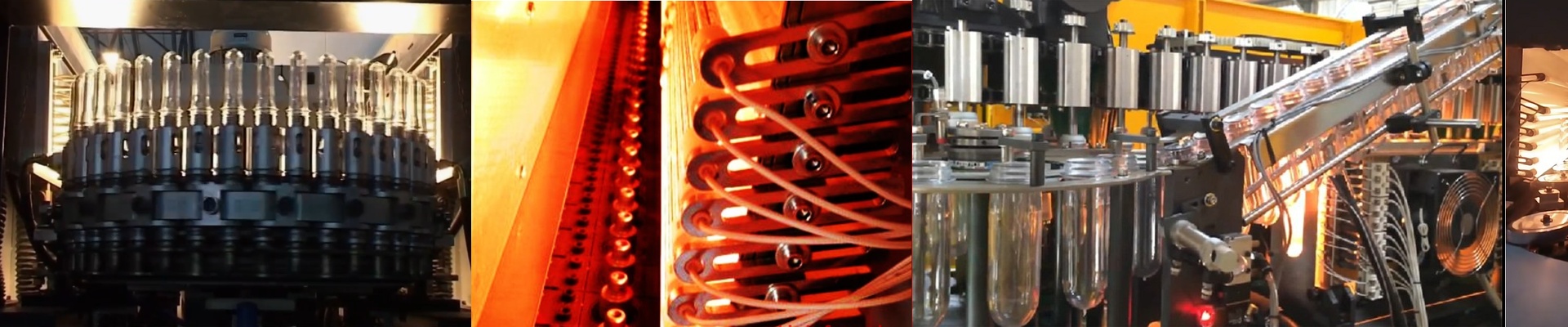
If your SIG Blomax line keeps losing heating tubes, chances are the problem is the lamp. We built a tough, long-life Krones heater lamp that drops right in. It’s made to match SIG’s tolerances and handle the heat shock and vibration of high-speed PET blowing without giving up.
The power, voltage, and fit—plain and simple
The upgrade we recommend is a 400V, 2500W lamp, 300mm long. Going 400V keeps the current lower on the feed. That means fewer hot spots at the terminals and less voltage drop over distance. The 2500W gives you the heat density PET needs—fast, even heating—without pushing the zone too hard. And the 300mm length? It lines up with your existing block assemblies, so it fits like it should. Just one thing: that kind of power density needs clean airflow. If the blower or ducting gets clogged, the lamp runs hotter—and the life takes a hit.
What’s inside: quartz, halogen, and the right connector
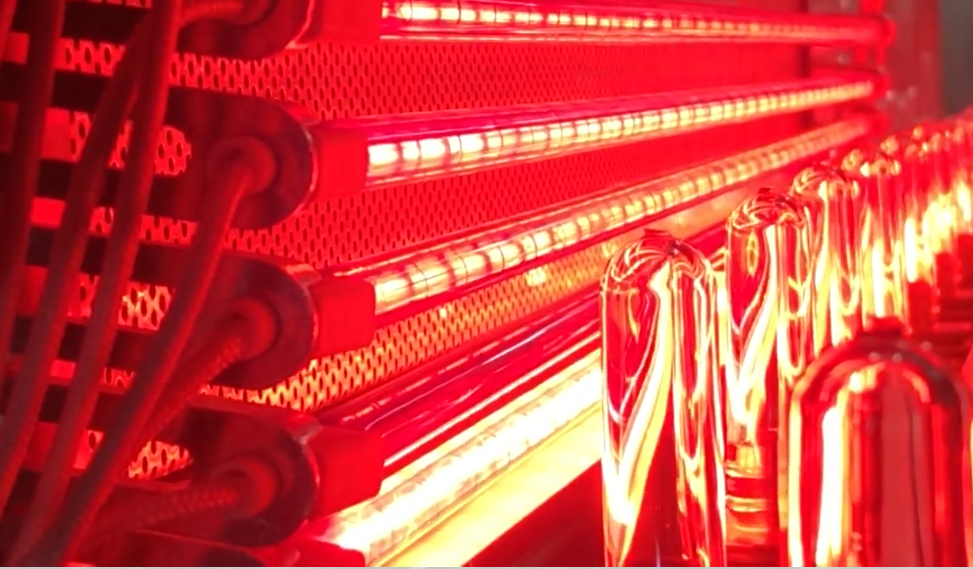
At the heart is a high-purity quartz envelope with a halogen fill. The halogen chemistry keeps the filament stable by cycling tungsten back onto the wire. That fights blackening and keeps output steady over time. We added a dense, multi-layer coating to strengthen the quartz and block UV. It helps the glass handle repeated heat cycles without getting stressed. For the connection, we use an R7s bi-pin. It locks into ceramic holders and stays tight even at high temperatures—no creeping, no loosening. The whole lamp is engineered to match the Blomax interface, so terminal alignment and geometry feel right the moment you install it.
Real-world performance on the Blomax line
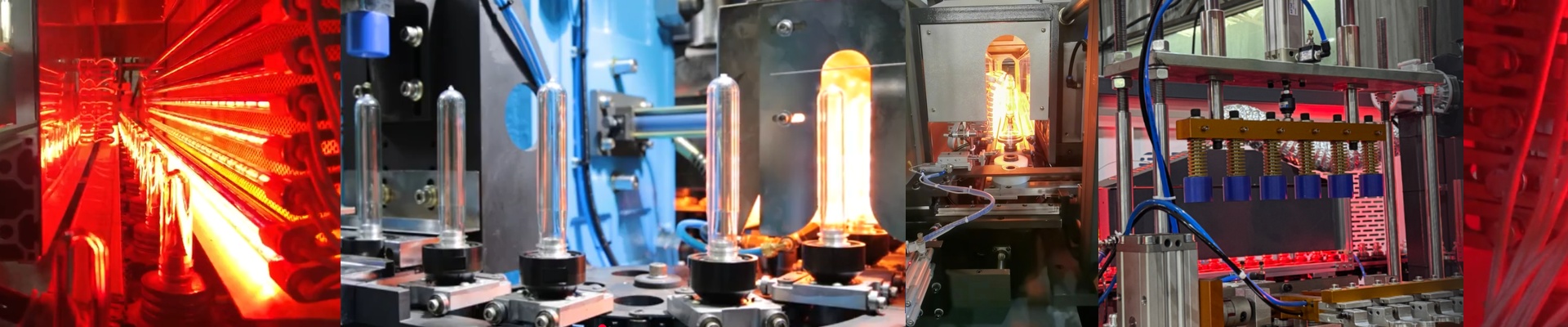
On the Blomax, the lamp gets hit with rapid on-off cycling and the mechanical shock of the blowing process. Our reinforced structure is built to resist cracking at the seal and supports. What that means for you: fewer surprise stops, heating that stays consistent, and less spare inventory tied up. Installation is straightforward—wire it up, set the reflector, and run. You can expect stable output over thousands of hours, and the end of life is predictable, so planning maintenance is easier.