When service hits hard, wet cups and damp plates aren’t just annoying—they bog down every station, fog up glassware, and drag the pass into the weeds. That moisture becomes a real bottleneck, and you feel it in ticket times and in the crew’s mood.
What matters, technically
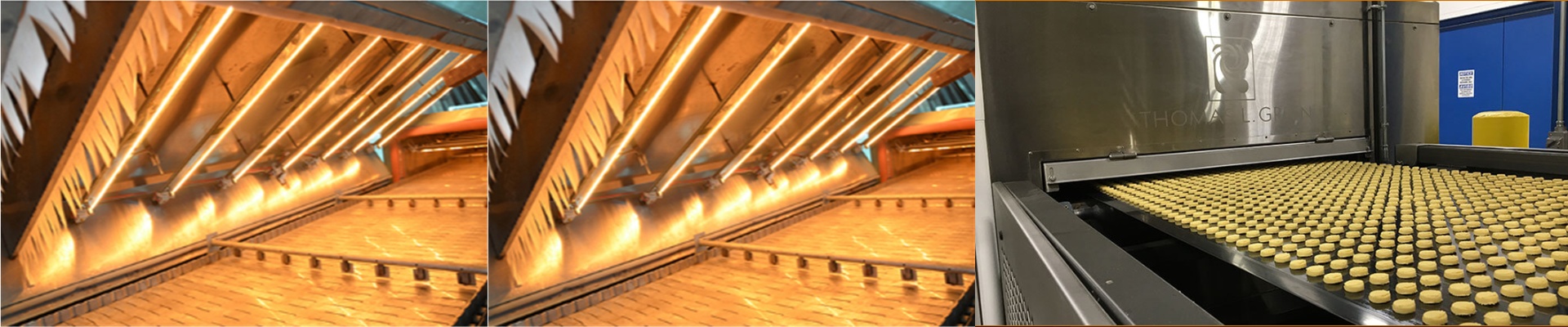
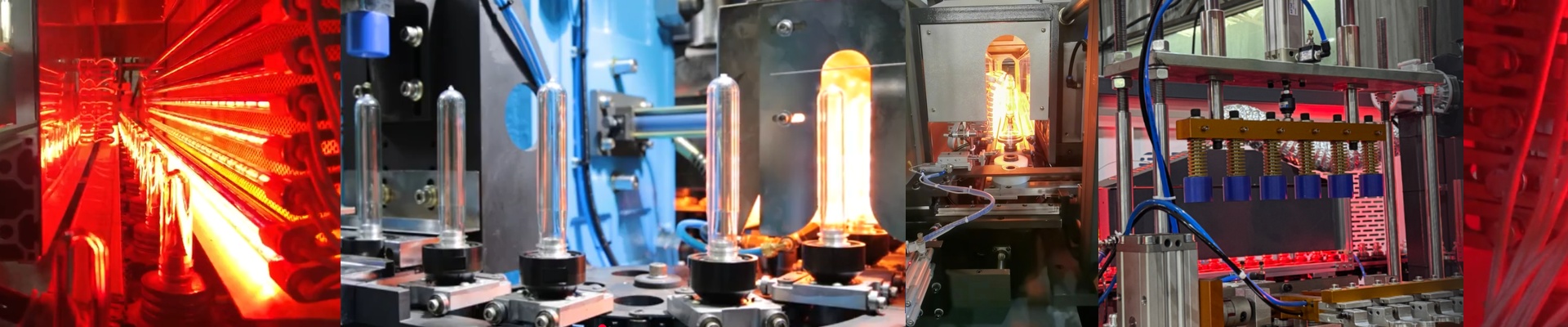
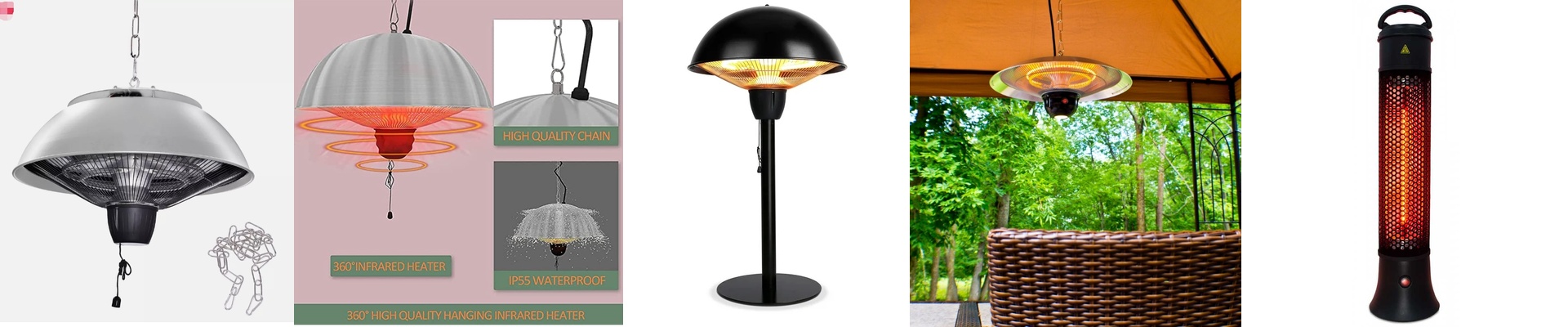
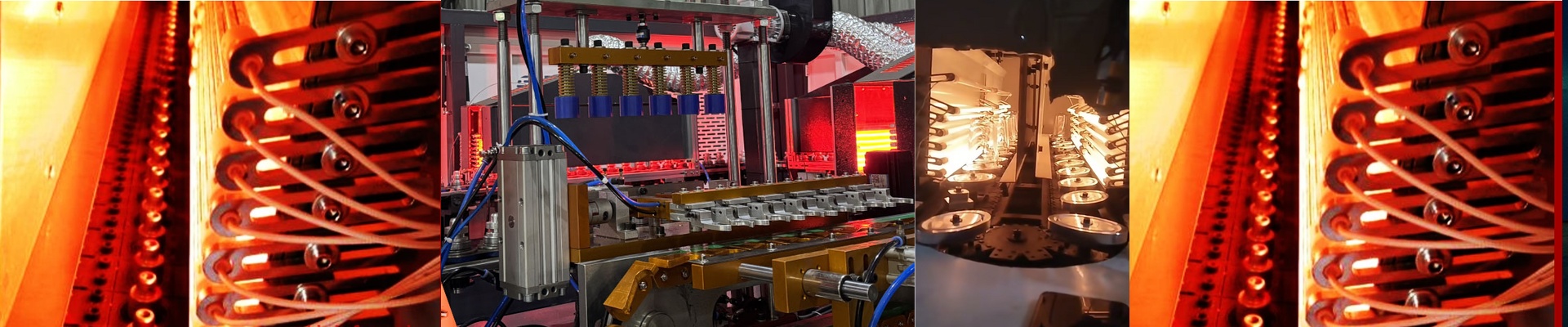
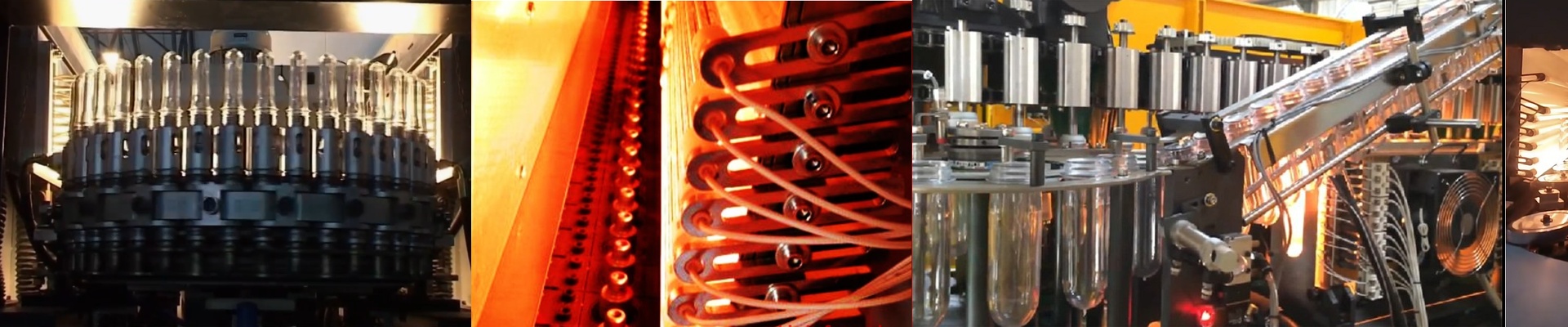
The tableware dryer uses a 250W IR heater, and it leans on infrared to put heat right where it needs to be—on the surface—instead of trying to warm the air around it. That’s why drying is faster while the surrounding area stays cooler. The element runs at 250W, so output is consistent and repeatable, and the heater comes up to temperature quickly and recovers between cycles. Temperature stays tight, and the heat profile stays even across the load, which matters when you need every glass and plate coming out the same—bone dry.
Why it fits the workflow
Staff need clean, dry ware at the ready, whether you’re running a deck oven, a rotary oven, or convection. This IR heater dries fast, so you can keep a steady supply of serviceware without waiting on air-drying or toweling. Because the heat is focused on the surface, you get the job done without cooking the cabinet interior. That helps protect finishes and keeps the unit more comfortable to work around. The payoff is fewer interruptions, quicker resets between courses, and a dryer you can count on when service peaks.
The practical stuff
Installation is straightforward, but clearance matters. Keep the heater at a safe distance from plastic parts, and make sure the dryer’s internal airflow isn’t blocked—IR heat needs a clear line to the load. The element is built for commercial duty, but like any heater, it performs best when it sees the rated voltage and when the cabinet interior stays clean and dry. Match it to a properly sized wiring run, and you’ll get dependable drying shift after shift.