Getting the Heat Right for SACMI Rotary Systems
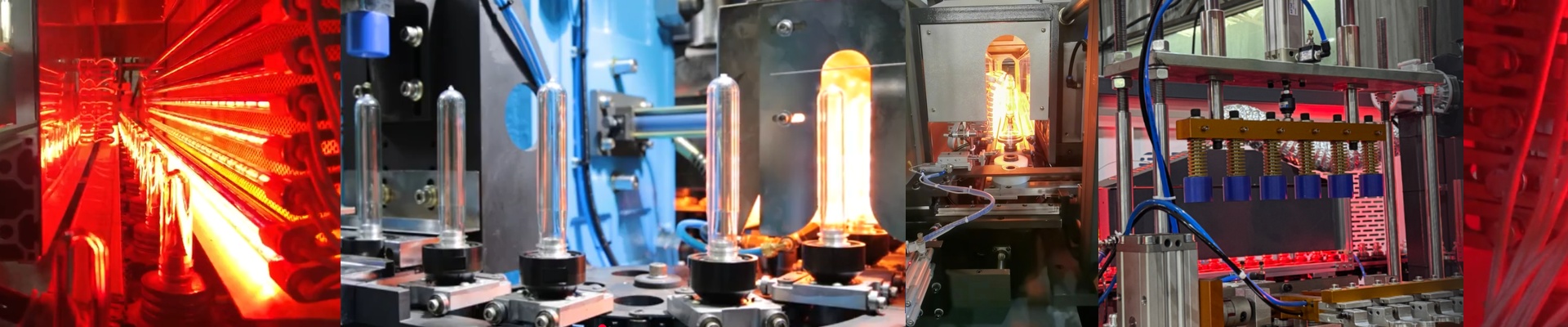
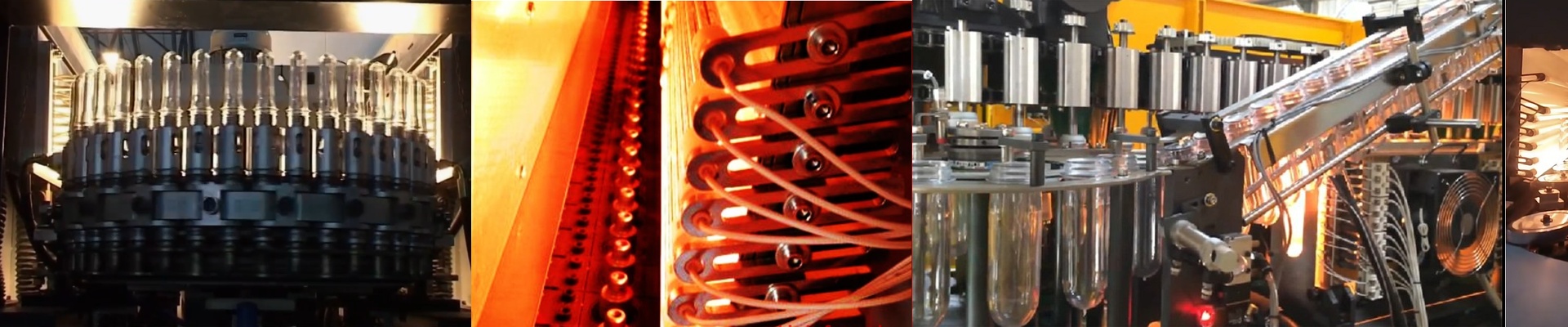
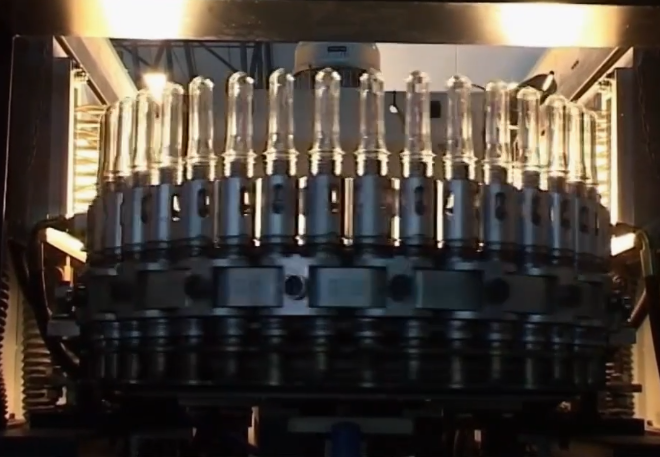
If you’re running SACMI rotary blow molding machines, you know the pace is relentless. Everything happens fast. You’ve only got a tiny window of time to get those PET preforms hot enough to blow, and if your lamps can’t keep up, you’re looking at a lot of wasted plastic. That’s why we build our infrared lamps the way we do. We focus on cutting out the lag and cramming as much heat as possible into those few milliseconds. How we make it happen It mostly comes down to the physics of the filament. We use a lower-mass tungsten filament because it doesn’t take as much energy to get it glowing. Pair that with a high-voltage setup, and you get an almost instant burst of heat. When these are hooked up to your SACMI controller, you get a sharp thermal spike. It hits the PET wall hard and fast, getting the inside hot without scorching the surface. It just works. The nitty-gritty details We use high-purity quartz glass for the tubes. Why? Because we don’t want the glass absorbing the heat—we want that shortwave radiation heading straight for the preform. We also use reflectors to make sure every single watt is pushed in the right direction. And we don’t mess around with the connectors. We use standard industrial plugs so you can just swap them in and go. We make sure the fit is tight, too. If a connection is loose, you get arcing, and that’s a one-way ticket to a burnt-out lamp. The honest truth about heat Here’s the catch: this kind of heat density is intense. These lamps run hot. If your cooling fans are clogged with dust or just aren’t powerful enough, the heat builds up around the sockets. If you let that happen, you’ll melt your sockets and kill the lamp’s lifespan. It’s a trade-off. You get incredible throughput and speed, but you’ve got to keep your cooling system clean. We designed these tubes to handle the brutal on-off cycling of a rotary machine. When they’re running right, the heat is consistent across the whole preform. That means no weird thin spots in your bottle walls and weights that actually stay where they’re supposed to.