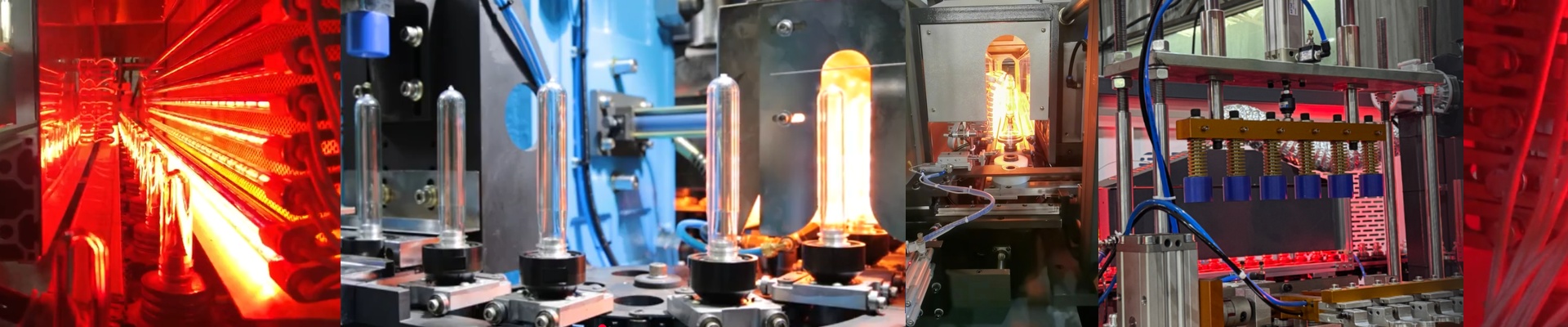
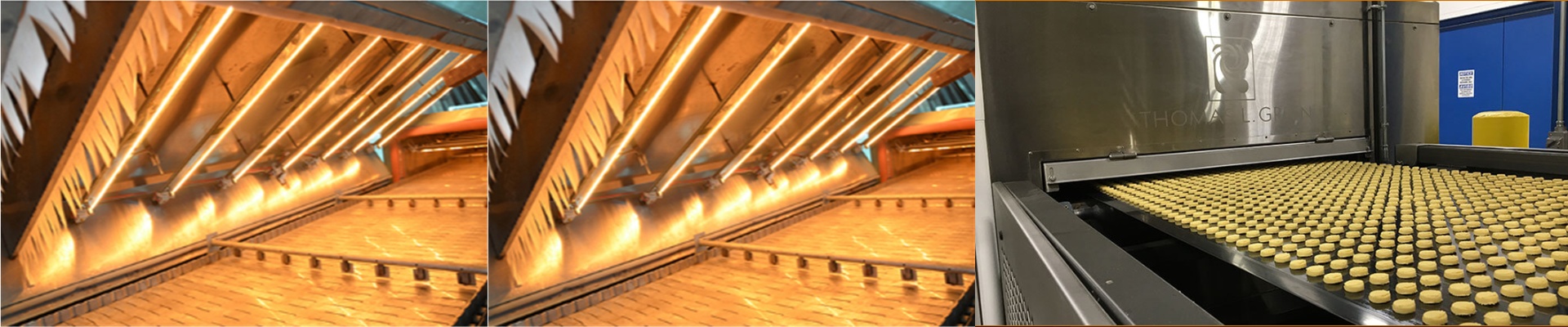
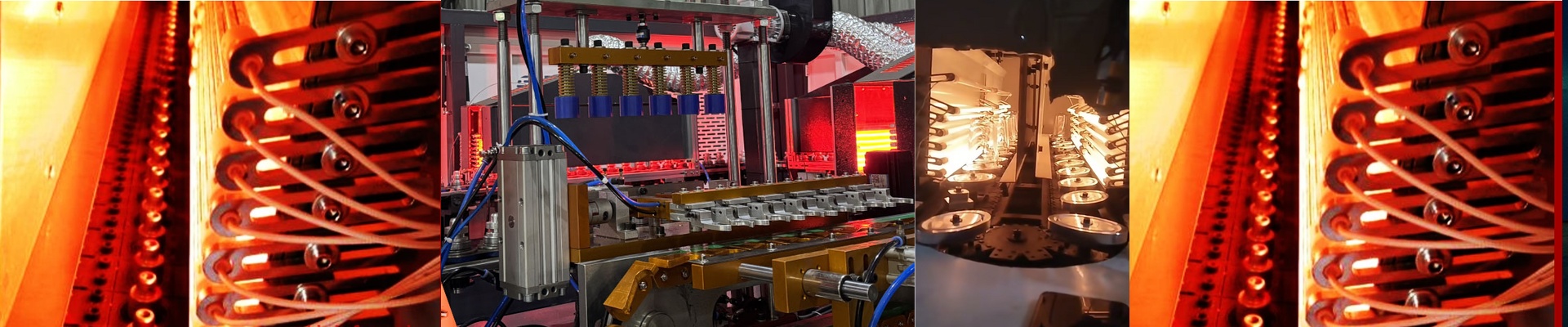
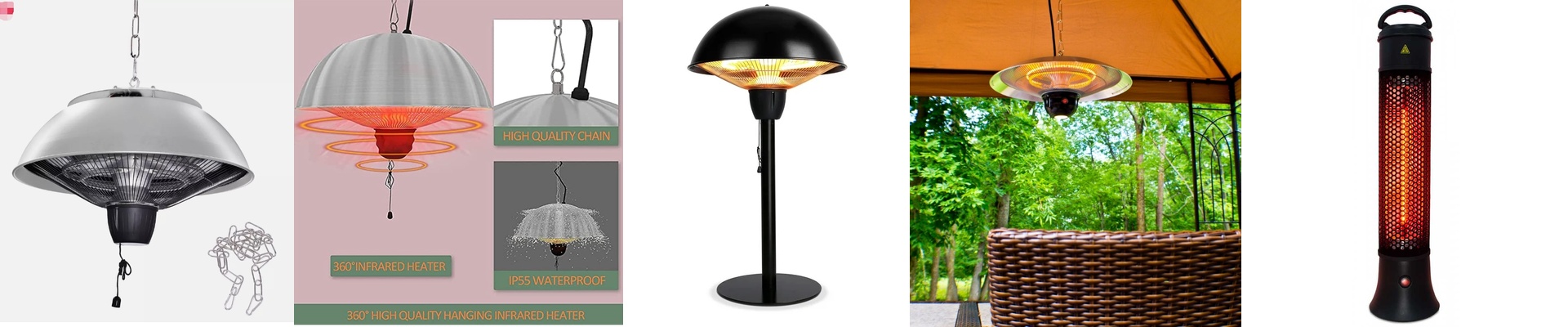
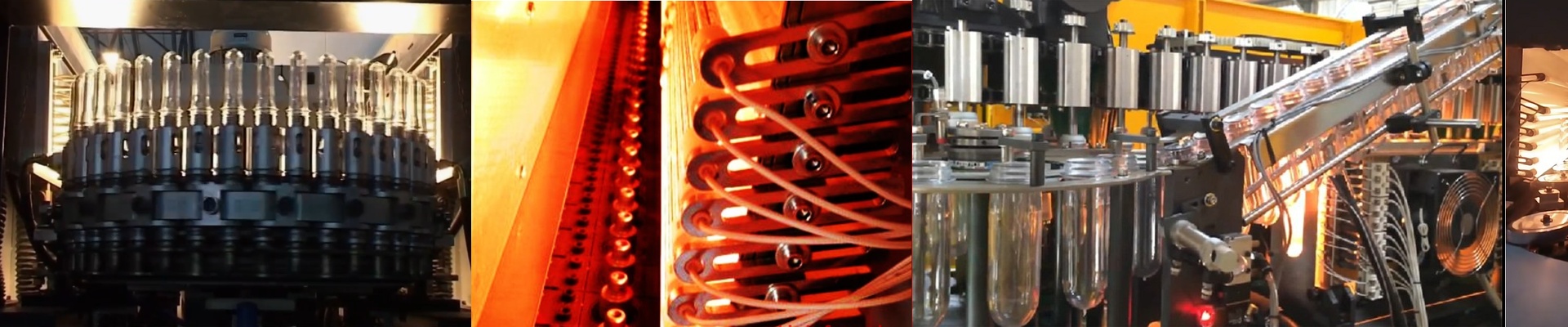
When the lunch rush hits, a griddle that hesitates is bleeding money and credibility. An old or weak infrared lamp doesn’t just slow you down; it throws off the heat profile, so tickets back up and orders leave the pass all over the place. Swap it for a proper replacement, and you put the heat right back where it belongs—direct, controllable, and dependable. What matters under the hood We build these lamps around medium-wave quartz emitters. They come up fast and hold steady, which is exactly the rhythm a live griddle station needs. Typical ratings are 2400–3000 W, with 240 V or 120 V options to match your wiring. The compact length—about 12–16 inches—drops into standard under-griddle housings without fuss. You get full brightness in seconds, so the surface recovers fast after a cold burger patty or a big pile of onions. Ceramic sockets and reinforced leads take repeated thermal cycling, and the filament support is built to handle the shocks of a busy service. Why this works on the line With this lamp, recovery is quicker and surface temperature stays even. Eggs cook the same way every time, and burgers sear the way you designed them. That consistency cuts down on passbacks and keeps the line moving. You also save energy because the lamp delivers heat on demand and holds steady without overshooting. Reliability matters here, too—we’ve seen units run 5,000+ hours with less than 5% output drop. Fewer service calls. Less downtime. The practical details Installation is straightforward, but match the lamp to your griddle fixture exactly—wattage and voltage. Mismatched power draws shorten life and skew heat. Make sure you have the right clearance to the griddle plate so nothing contacts, and keep the emitter free of grease and debris during cleaning. For best results, pair the replacement lamp with a clean reflector and a calibrated thermostat. That way the control and the element work as one system, and you get the performance you expect.