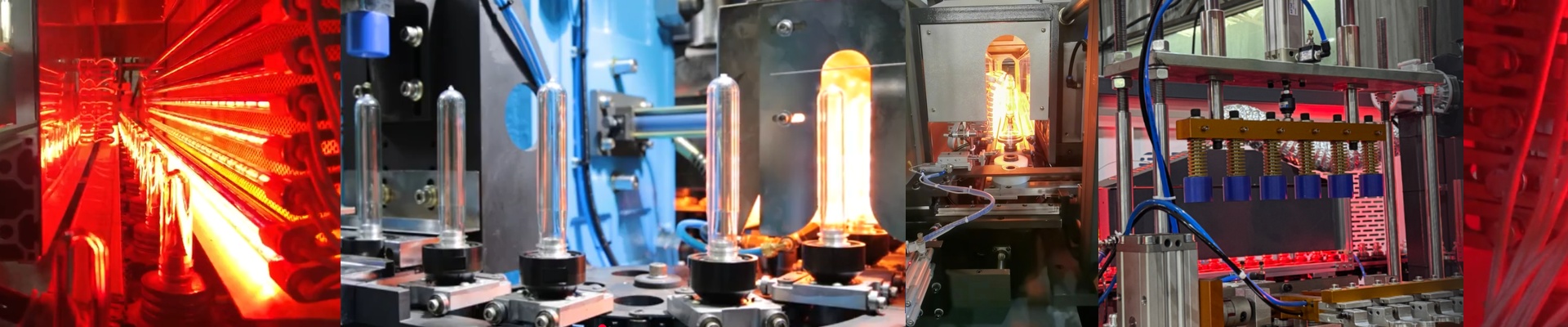
Getting Your Sidel Matrix Heating Just Right
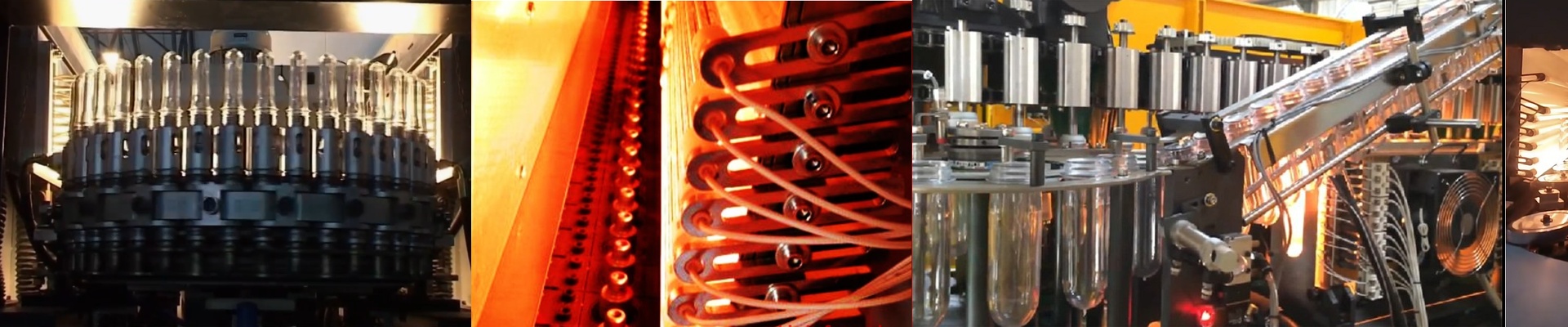
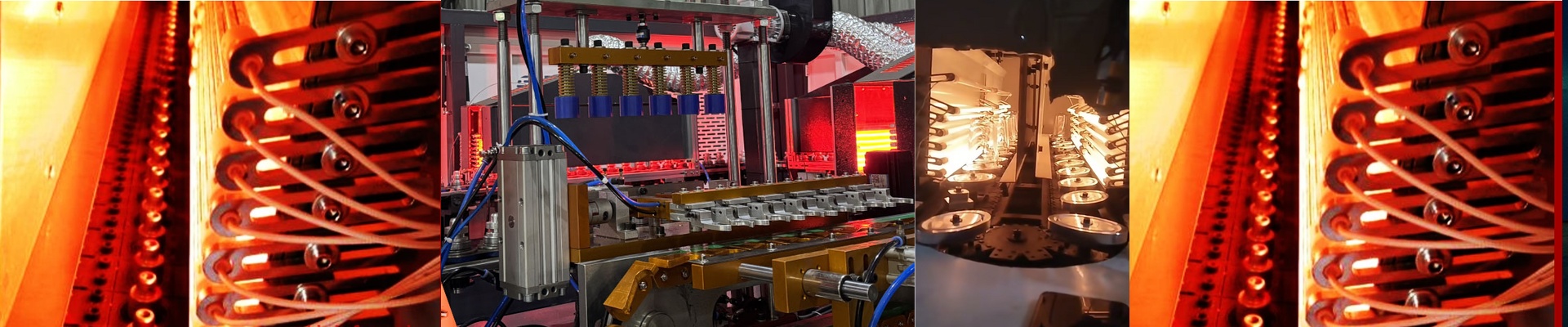
Ever swapped out your OEM infrared lamps only to find your PET preforms coming out weird? Maybe the walls are too thin in some spots, or you’re seeing that annoying pearlescence. It’s frustrating. Usually, it happens because the new lamps aren’t hitting the same heating curve as the originals. We spent a lot of time making sure our heaters mirror the exact heat density and spectral output of the Sidel Matrix lamps. The goal is simple: when you put them in, your temperature ramp-up should feel exactly like it did the day the machine left the factory.
It’s more than just wattage
A lot of people think as long as the wattage matches, you’re good to go. But it’s not that simple. We obsess over the voltage and the physical length. Why? Because if a lamp is even a tiny bit off, it shifts the focal point of the radiation. That’s how you end up with “cold spots” on your preform. By locking in those exact electrical specs, we keep the heat steady and predictable across the whole oven.
The nitty-gritty on fit and feel
We use high-purity quartz with specific halogen doping. That’s a fancy way of saying we control exactly how the light is emitted. Plus, we use the same connector footprints—whether you’re dealing with R7s or those specialized Sidel pins. You just plug them in. No hacking, no modifying sockets, no headaches. We also apply a coating that pushes the energy straight into the PET polymer, so you aren’t wasting heat on the machine frame.
One thing to keep in mind
These tubes put out a massive amount of heat. Since they perform just like the OEM parts, they’re going to put a lot of stress on your oven’s ventilation. If your cooling fans are choked with dust or just worn out, that ambient heat builds up. If that happens, your lamps will burn out way faster than they should. Keep your airflow clear. Your quartz envelopes will thank you.