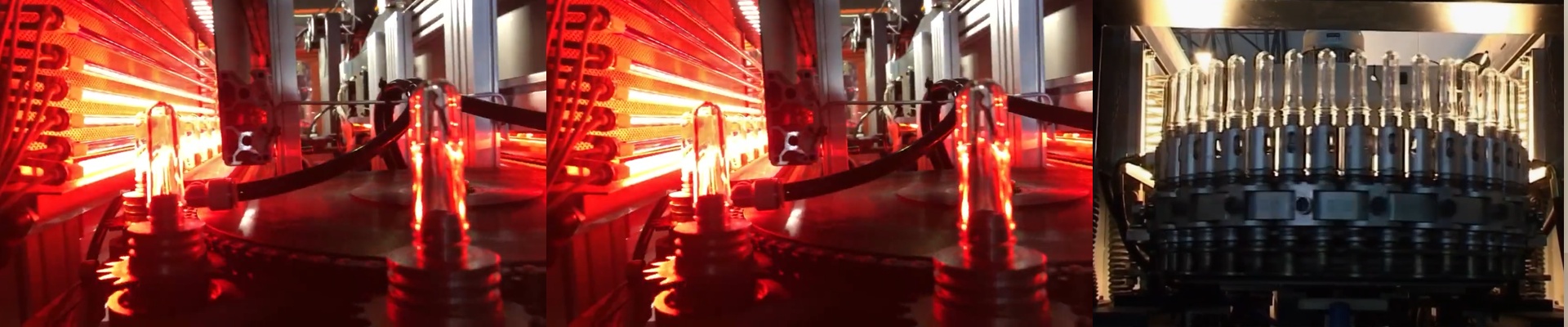
Does the Brand Name Actually Matter for Your Oven Lamps?
Commercial bread ovens are absolute workhorses. When you’re cranking them for 10 hours a day, those infrared tubes take a beating. I get asked all the time: Can a high-quality domestic lamp actually hold up against those big, expensive global brands? Honestly? It mostly comes down to two things: how pure the glass is and how the filament is wound.
The Secret to a Perfect Crust
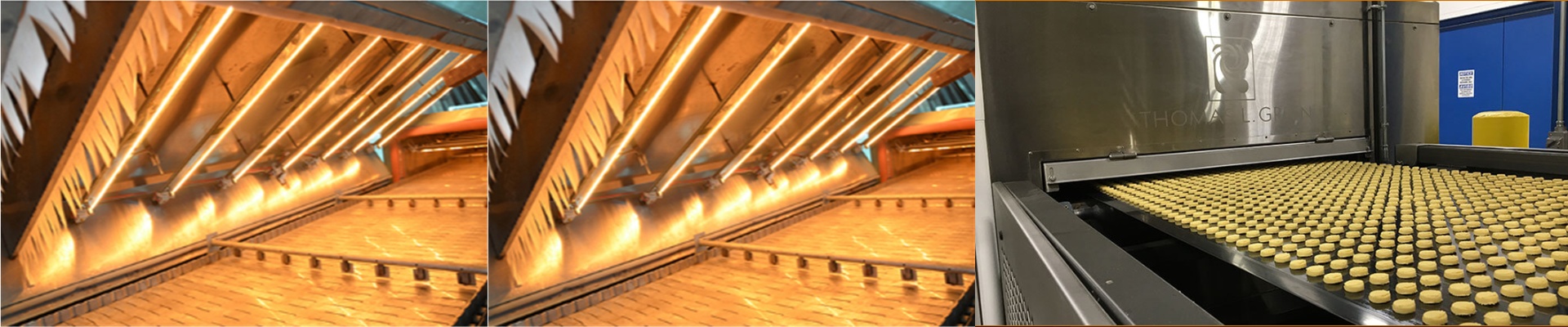
To get that golden, uniform crust, you need heat that doesn’t flicker or fade. We use high-purity synthetic quartz because it doesn’t warp when it goes from ice-cold to scorching hot over and over again. Inside, there’s the tungsten filament. This is where things usually go wrong. If the winding tension is off by even a tiny bit, you get “hot spots.” Those spots are basically death sentences for the lamp—they burn out way too fast. We make sure the wattage stays steady from one end to the other. You won’t see those annoying “dark ends” you get with cheap replacements. Just a consistent, solid heat footprint across your dough.
Surviving the 10-Hour Grind
Running an oven all day means your lamps spend almost their entire life at peak temperature. It’s brutal. To fight this, we use halogen gas. It basically pushes the tungsten back onto the filament as it evaporates, which keeps the lamp alive much longer. But here’s the thing: even the most expensive lamp in the world will fry if your oven’s ventilation is clogged or your reflectors are covered in grime. If your power is stable and your oven is clean, a domestic lamp built to the same tight specs will last just as long as the brand-name version.
Swapping Them Out
Nobody wants to spend their afternoon rewiring a housing. That’s why we built these as direct drop-ins. The dimensions and connectors match the original equipment exactly. It’s simple. Pull out the old tube, wipe the contacts clean, pop the new one in, and you’re back in business.