How to Actually Get a Pizza Done in 90 Seconds
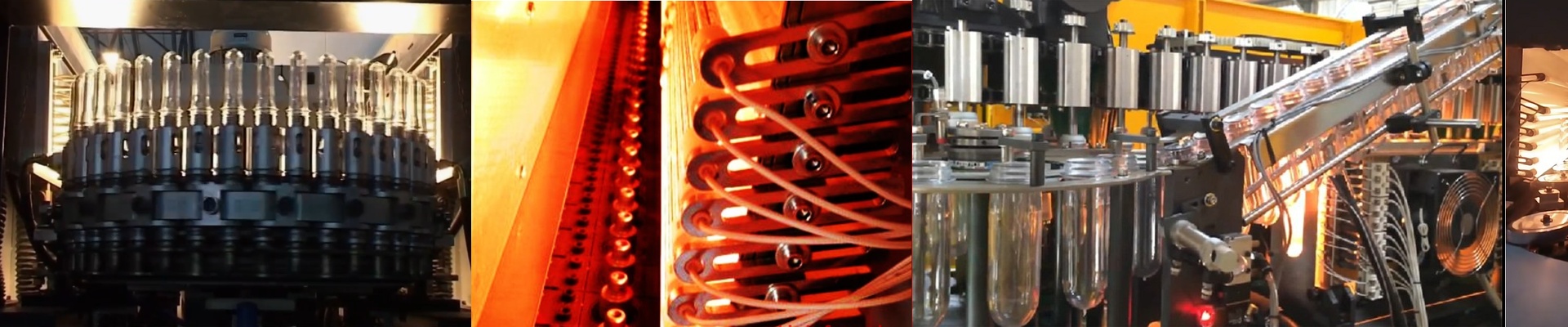
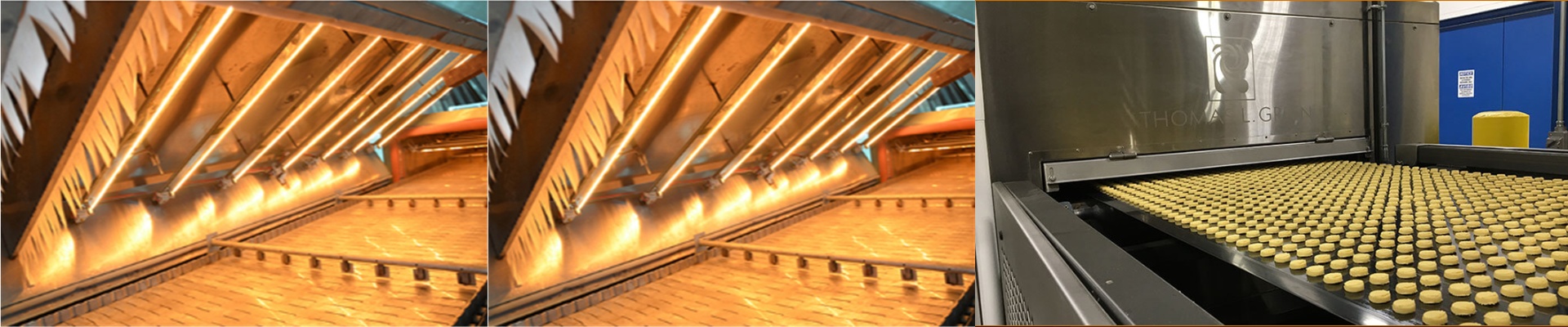
If you want to take a raw piece of dough and turn it into a finished pizza in 90 seconds, you can’t just “turn up the heat.” You need a massive, immediate hit of energy. Standard convection ovens or those old-school resistive coils just can’t keep up. They’re too slow. That’s why we use ceramic infrared (IR) heating. Here’s the secret: these elements don’t waste time heating up the air around the pizza. Instead, they shoot radiation directly into the food. It’s like the difference between waiting for a room to warm up and stepping into direct sunlight on a summer day. The trick is in the speed. When you’re stuck with a five-minute bake cycle, you’re basically just soaking the pizza in hot air. But with IR, we target the moisture in the dough and the fats in the cheese. The heat pushes right in. But you have to get the power density right. If you’re underpowered, you’ll end up with a sad, dried-out crust and cheese that hasn’t even thought about melting. We spec our elements to hit that target temperature almost the second you flip the switch. Dealing with the grime Kitchens are messy. You’ve got flour dust flying everywhere and grease dripping off the edges of the crust. To handle that, we wrap the resistive wire in high-alumina ceramics. It acts like a shield, keeping the guts of the heater safe from the chaos of a working kitchen. But there is a catch. ceramics can be finicky. If you blast a freezing cold element with full power immediately, it can crack. It’s called thermal shock, and it’s a quick way to kill your equipment. To stop that from happening, we suggest a stepped ramp-up or using a duty-cycle controller. Just ease into it, and the elements will last much longer. More pizzas, less space The real win here is the math. When you drop your bake time from 300 seconds to 90, you’re suddenly tripling your output. And you don’t even need a bigger kitchen. You can use a tighter conveyor belt and smaller oven chambers. Just one heads-up: make sure your ventilation is actually up to the task. That radiant heat is intense. If you don’t vent it properly, your staff is going to feel the burn from five feet away.