Building 250W Ceramic Heaters That Actually Survive a Bakery
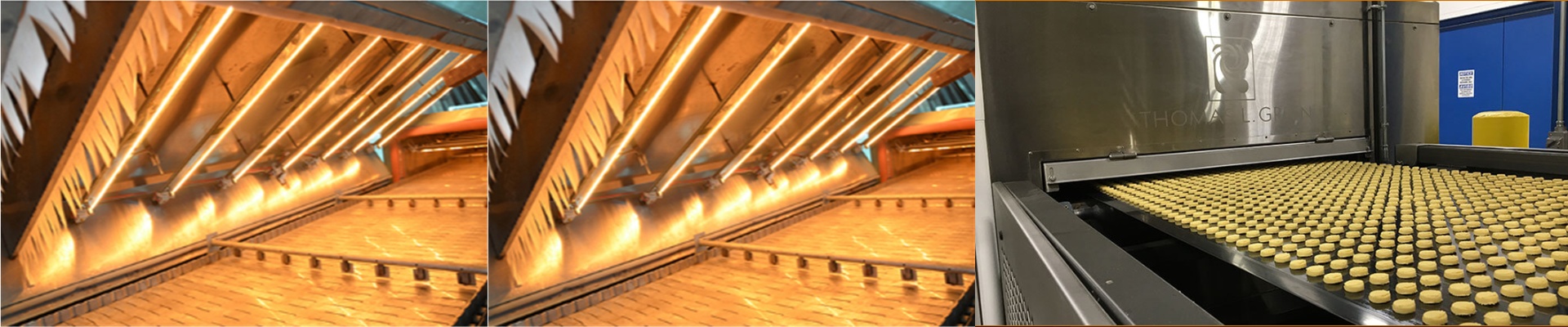
If you’re running a bakery oven for 10 hours a day, you know the struggle. You’re constantly fighting to keep that crust consistent, and your heating elements are taking a beating. Most of the time, the coils just give up because they can’t handle the constant expanding and contracting. That’s why we built our 250W ceramic infrared lamps. We wanted something that wouldn’t just burn out the moment things got busy.
Why Ceramic?
Here’s the thing about 250W. It’s a sweet spot. It gives you enough heat to get deep into the dough without scorching the surface. We wrap the heating filament in high-purity alumina ceramics. This does more than just act as a shield. It turns the heat into far-infrared radiation. The real win here is stability. When you swing that oven door open and a blast of cold air hits the chamber, these don’t freak out. Unlike those bare quartz tubes that swing wildly in temperature, these stay steady.
Can These Really Compete With the Big Brands?
I get asked this all the time: “Can a domestic tube actually last as long as the expensive global brands?” It all comes down to the metal and the seal. We use a Kanthal-style alloy that doesn’t flake apart when it gets red hot. But the secret is in the seal. If the spot where the wires meet the ceramic leaks even a little bit, oxygen gets in. Once that happens, your filament is toast in a few weeks. We vacuum-seal ours so they can keep humming along for thousands of hours.
The Trade-off
Look, these aren’t magic. There’s a catch. Because ceramic is heavier and denser than quartz, it takes a bit longer to warm up. You aren’t getting “instant-on” heat here. You’ll need to tweak your PID controller settings to account for that lag, otherwise, your temperature might dip a bit during those first few minutes of a bake. But once they’re hot? They stay hot. And that reliability is what actually matters when you’ve got a line of customers waiting for fresh bread.