Cutting Pizza Bake Times: Why We Added IR to the Mix
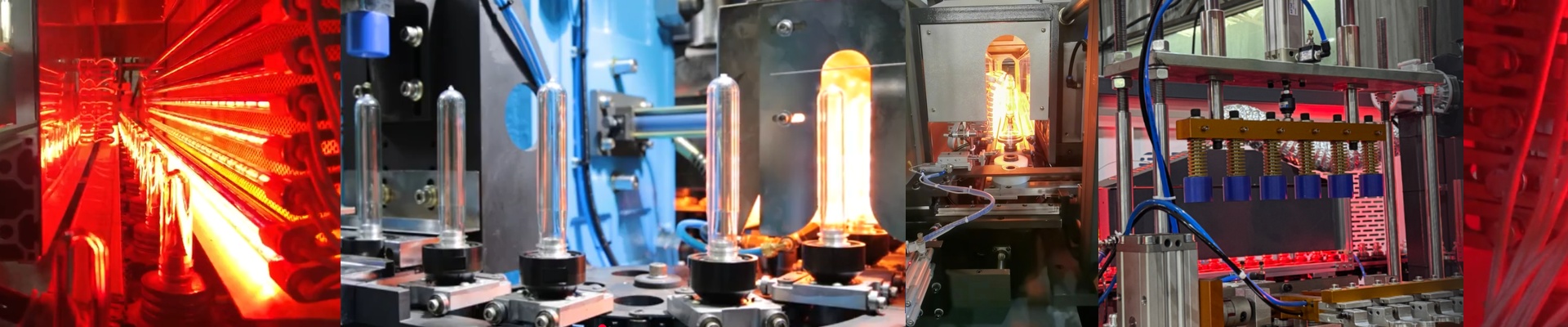
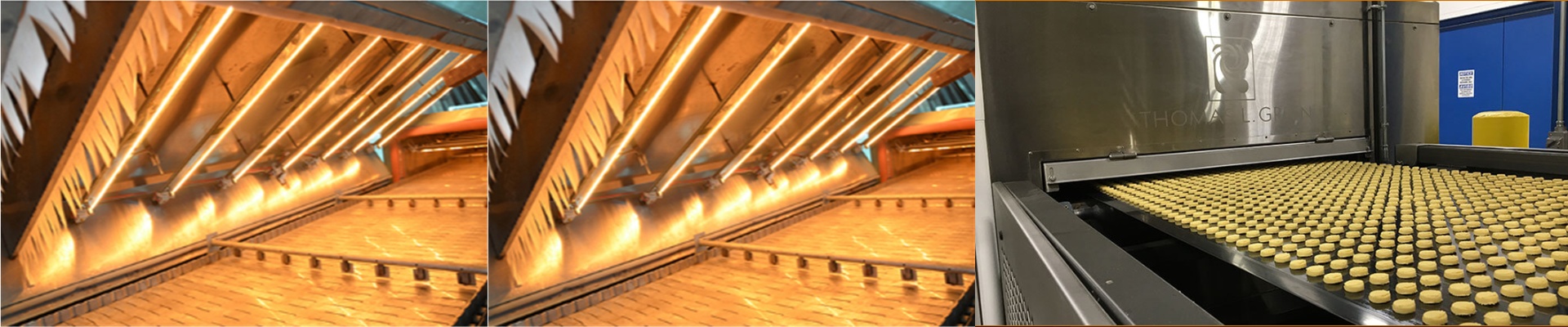
Most convection ovens just blow hot air around. Now, that works, but air is honestly a pretty lazy way to move heat. If you’re trying to slash a bake cycle from five minutes down to just 90 seconds, air alone isn’t going to get you there. That’s why we started putting short-wave infrared (IR) heaters right inside the oven. Instead of waiting for the air to warm up the pizza, the IR hits the surface directly.
How it actually works
Think of it like the sun. You don’t feel the air get hot before you feel the sun on your skin; you just feel the heat instantly. The IR radiation sinks right into the dough and cheese. When you pair those lamps with the existing fans, you get a double punch. The IR handles the searing and that perfect golden-brown top, while the convection air makes sure the middle of the crust isn’t raw. It’s a team effort.
The gear we use
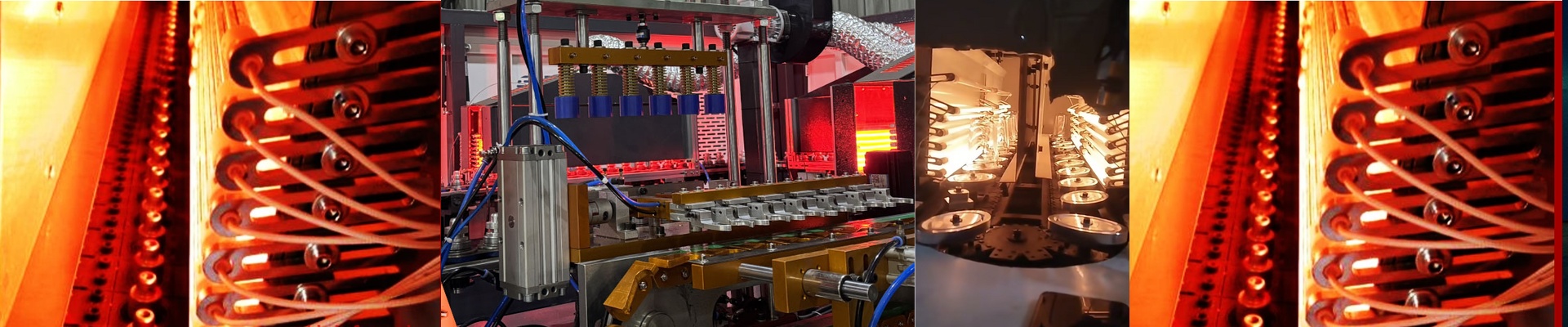
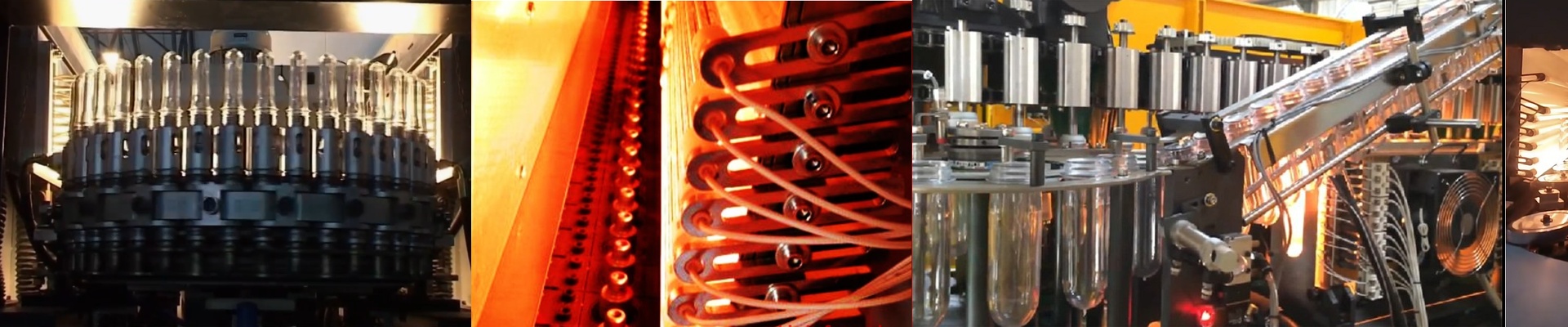
To make this happen, we use high-wattage quartz halogen tubes. The best part? They hit full power in seconds. In a busy kitchen or a production line, you can’t spend ten minutes waiting for your oven to “wake up.” We set these up for high heat density. We need enough raw energy to trigger that browning—the Maillard reaction, for the science nerds—within that tiny 90-second window.
The real-world headaches
It sounds simple, but the shop floor is where things get tricky. First, adding these lamps pulls a lot of power. You’ve got to make sure your electrical panel can handle the extra amperage, or you’ll be tripping breakers all day. Then there’s the “line-of-sight” problem. IR is like a flashlight; if it can’t “see” the pizza, it won’t heat it. If your trays are stacked too tight or a lamp is slightly crooked, you’ll end up with cold spots. It’s a bit of a balancing act. You have to dial in the controllers and the belt speed just right so you don’t torch the pepperoni before the crust is actually done. It takes some tweaking, but once it’s set, it’s a beast.