Stop Waiting for Your Chafing Dishes to Heat Up
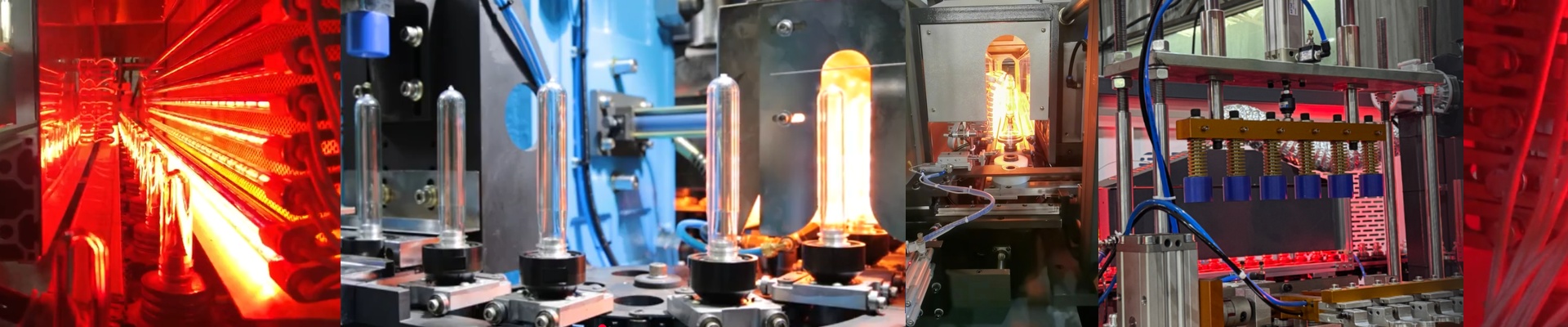
If you’ve ever worked a high-volume catering gig, you know the drill. You’re rushing to get everything ready, but you’re stuck waiting for those old-school heating elements to actually get hot. It’s a bottleneck that slows everything down. That’s why we switched to short-wave infrared (IR) emitters. Instead of waiting around, these things jump from room temperature to full blast in a matter of seconds. No more long preheating cycles. You just turn it on and go.
How it actually works
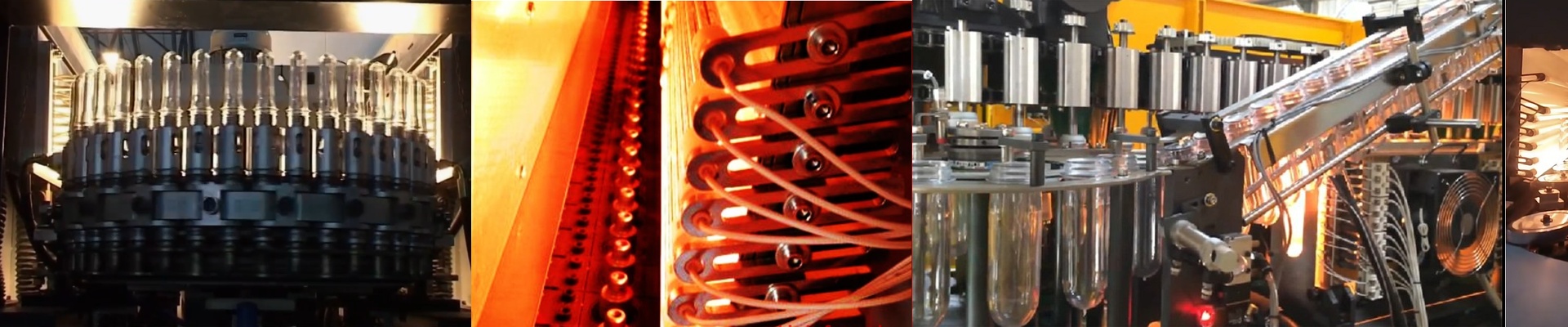
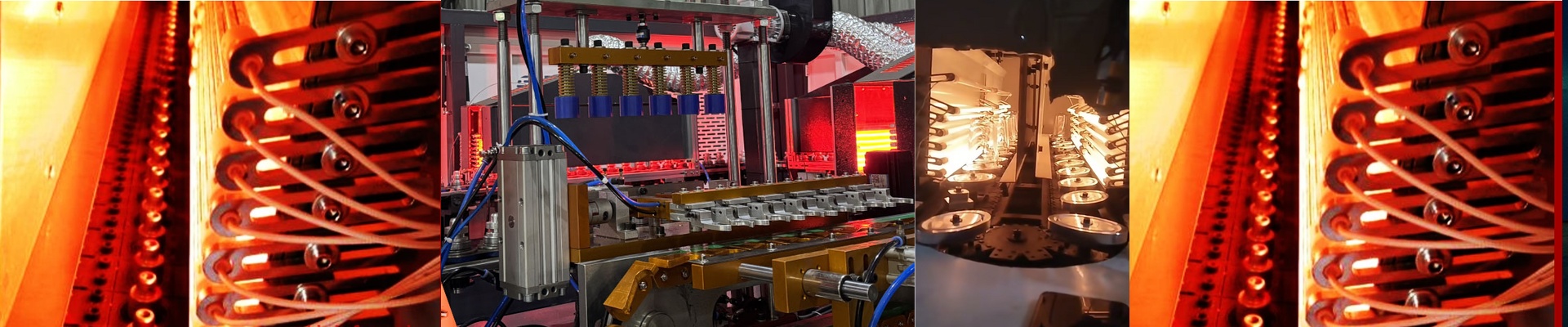
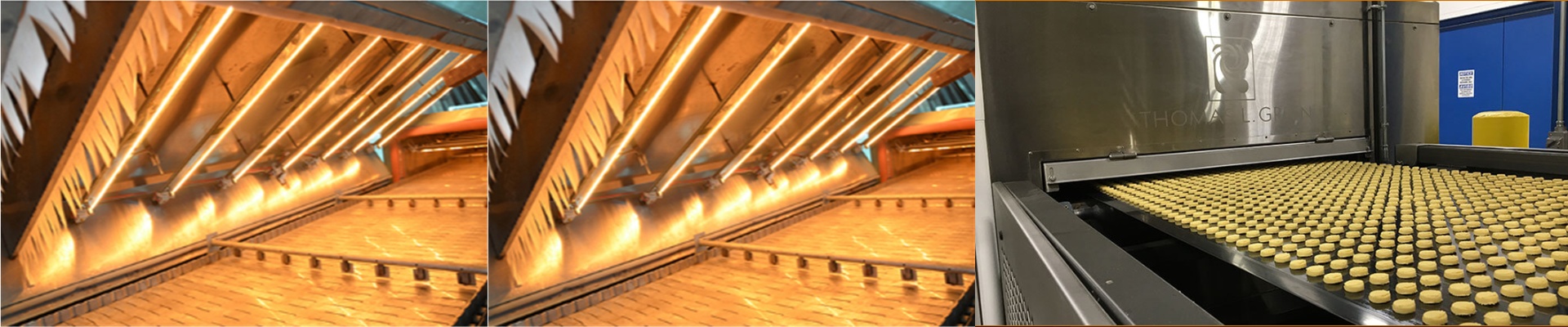
Most heaters try to warm up the air around the food first, which is a slow process. IR is different. It sends energy straight to the food pan, skipping the middleman. We use a halogen-filled quartz tube to pack in the heat density. The result? The pan hits the target temperature almost instantly. It’s fast. Really fast. And that changes your whole workflow.
The nitty-gritty on the hardware
We didn’t just want speed; we wanted gear that lasts. We built these emitters to handle “thermal shock.” In plain English: you can flip the power on and off all day long and the glass won’t crack. One thing to keep in mind when you’re wiring these up: watch your power density. High-wattage lamps put out a ton of heat, but they also pull a lot of juice. Make sure your controllers can handle that initial “inrush” of current, or you’ll be swapping out blown fuses before the first guest even arrives.
What this means for your kitchen
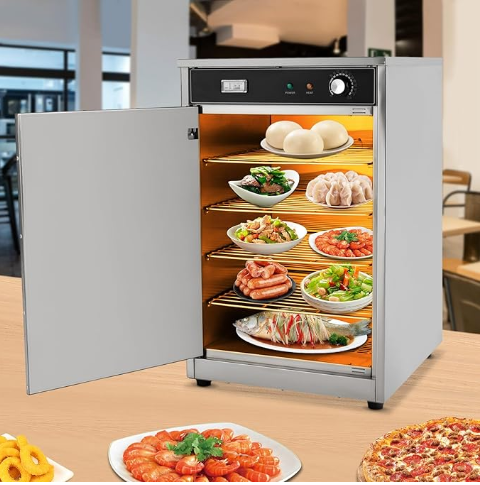
Ditching fuel gels or those clunky electric plates saves a lot of space. These IR emitters are basically drop-in replacements that stop wasting energy because they only heat things up exactly when you need them. But, there’s a catch. Because short-wave IR is so intense, the lamp getsstupid hot. You absolutely need guards so your staff doesn’t accidentally touch the emitter. Also, watch your spacing. If the lamp is too close to the pan, you’re going to scorch your food. Just find that sweet spot for the focal distance, and you’ll have a steady, perfect hold temperature.