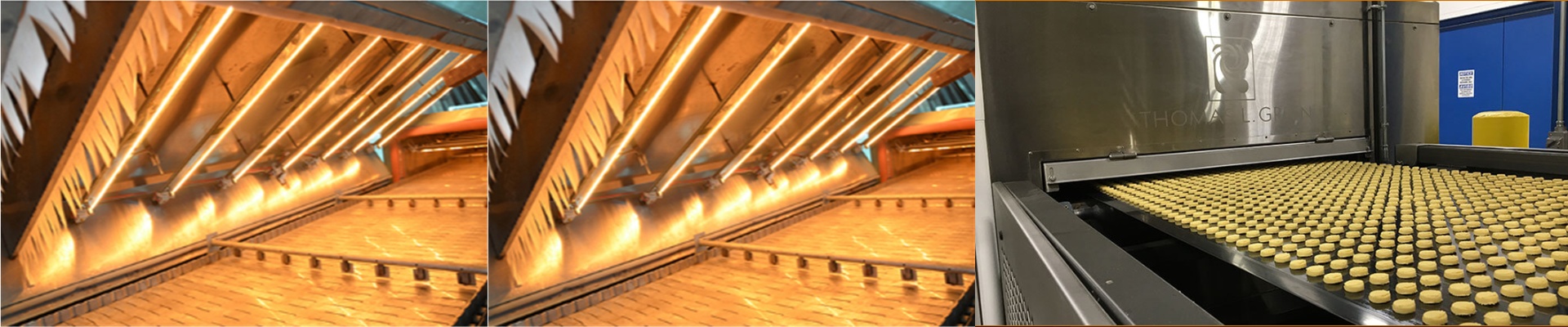
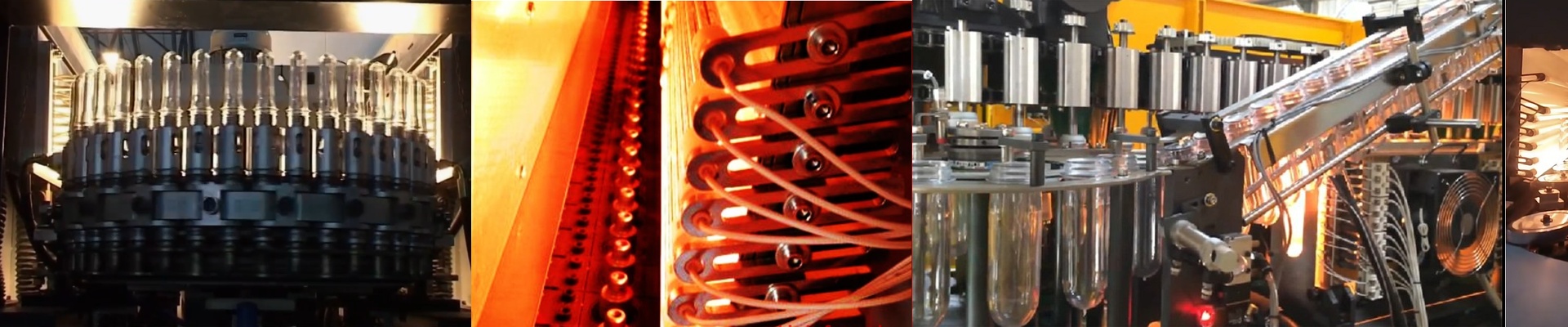
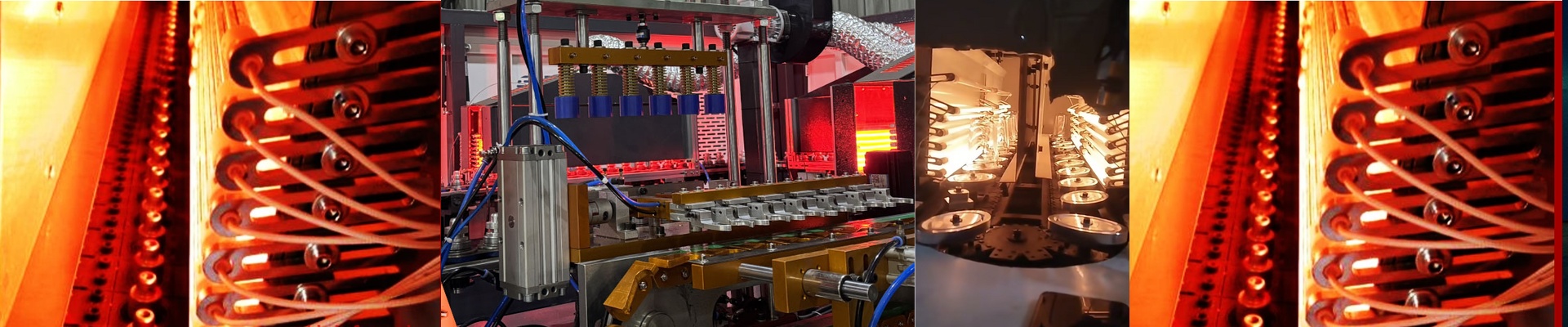
We built these IR emitters for one reason: toasting that needs split-second temperature control. The goal is straightforward—hit the exact temp instantly, hold steady, then cut it off the moment you need to. That only works if the heating element behaves like a light switch, not a slow, sluggish resistor. Power, Voltage, and Speed Here’s the secret: we run these at high wattage and high voltage, so the heat hits hard and fast. That lets us pack serious power into a compact quartz tube, which means the filament is up and running in seconds. No waiting. No lag. That speed is what makes true step control possible. You can jump from one temperature to the next without that annoying thermal delay. So even for delicate products, where a few extra seconds means the batch is ruined, you get consistent results every single time. The trade-off? High power means heat builds fast, so the machine’s thermal management has to be up to the task—keeping everything else around it running cool. The Setup: Quartz and a Simple Connection We use a quartz envelope because it can handle those rapid temperature swings without cracking, and it sends infrared energy cleanly. Then we coat the tube to focus the emission spectrum where your product actually absorbs it. Less wasted heat. Better efficiency. And for the connection, we went with an R7s connector. It’s simple, secure, and handles the current without fuss. Swapping one out is quick, and it fits neatly into existing industrial fixtures. Seriously, it’s a drop-in design—no rewiring headaches. Why It Matters in Tough Baking and Toasting When you’re working with tricky baking or toasting, the real challenge is nailing the surface without cooking the inside. Our fast-response emitter gives you a stair-step temperature curve: start instantly, hold precisely, cut off immediately. The payoff? Consistent color and texture, cycle after cycle. Less scrap. Shorter cycle times. And validation becomes a breeze because the thermal behavior is predictable. For engineers, that means real control. You set the profile, and the emitter just executes—second by second.