Why the Pros are Adding Infrared to Their Deck Ovens
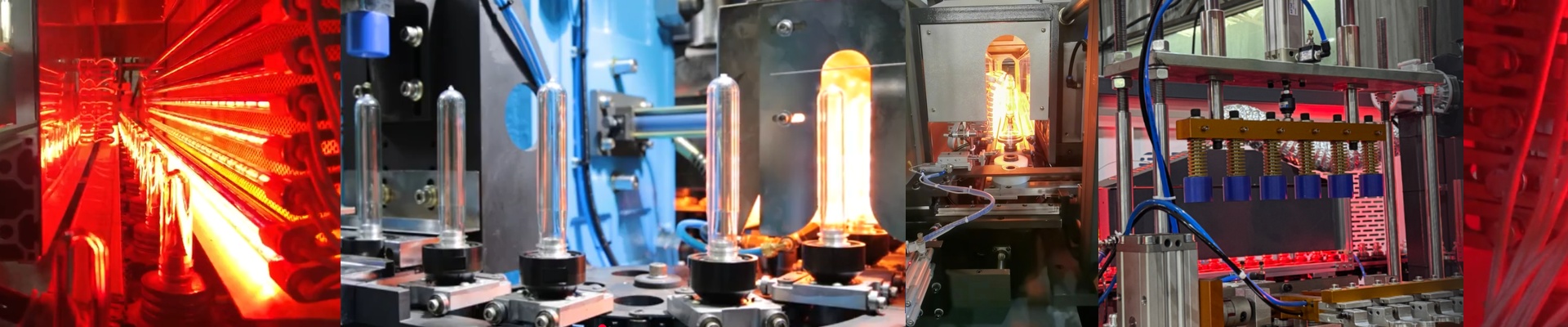
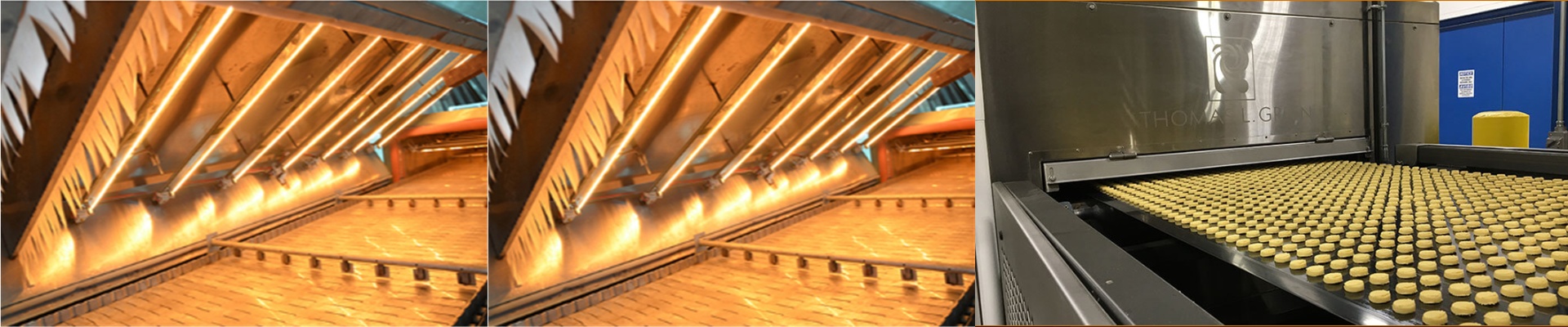
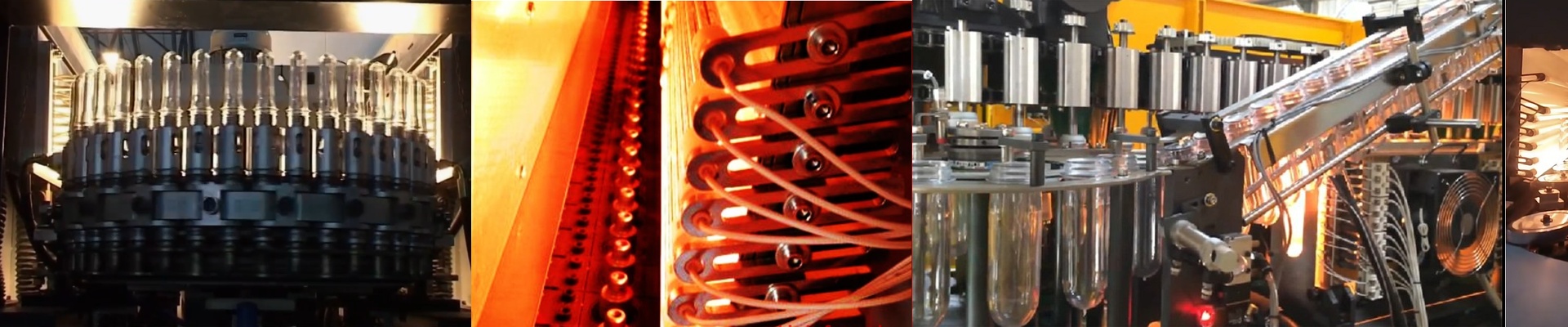
Most deck ovens do the job using the stone for the bottom and hot air for the top. It works, sure. But we decided to throw a third player into the mix: radiant energy from halogen infrared bulbs. Unlike a standard heating element that just warms the air, these bulbs shoot short-wave radiation straight into the dough. It doesn’t wait around. It hits the surface immediately.
The secret behind the heat
We use quartz-envelope halogen lamps because they don’t need a “warm-up” period. They hit their target temperature in seconds. There’s a bit of science happening inside the bulb—the halogen cycle stops the filament from gunking up the glass. This means the tube stays clear, and the heat stays consistent for a long time. For you, that means a focused beam of energy that nails the crust without turning the inside of your bread into a cracker.
Talking hardware
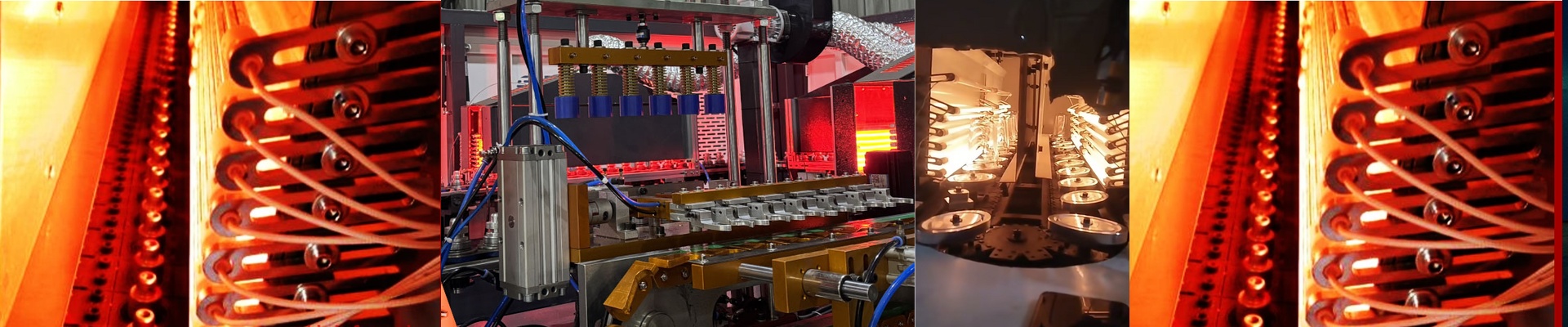
If you look inside most industrial ovens, you’ll see high-wattage tubes with R7s or SK15 connectors. We use these because they’re easy to swap out when they finally wear out. The real magic here is the power. With high wattage, you can trigger a massive “oven spring.” It forces the bread to jump and rise quickly before the crust locks into place. Just a heads-up: you have to be careful with your voltage and wattage. If you try to push too much power through wiring or relays that aren’t built for it, you’re going to fry your components. Keep it matched.
Finding the sweet spot
Here’s the catch. Infrared is fast, but it’s aggressive. Because the heat is so concentrated, it’s easy to scorch the top of your loaf if your racks are too high. It’s a bit of a balancing act. To fix this, we suggest using a PID controller to pulse the lamps. Instead of a constant blast of heat, it flickers on and off. This gives the center of the loaf time to catch up to the surface temperature without burning the top. It takes a little tweaking, but once you hit that rhythm, the results are incredible.