Getting the Crust Right: A No-Nonsense Guide to IR Heating
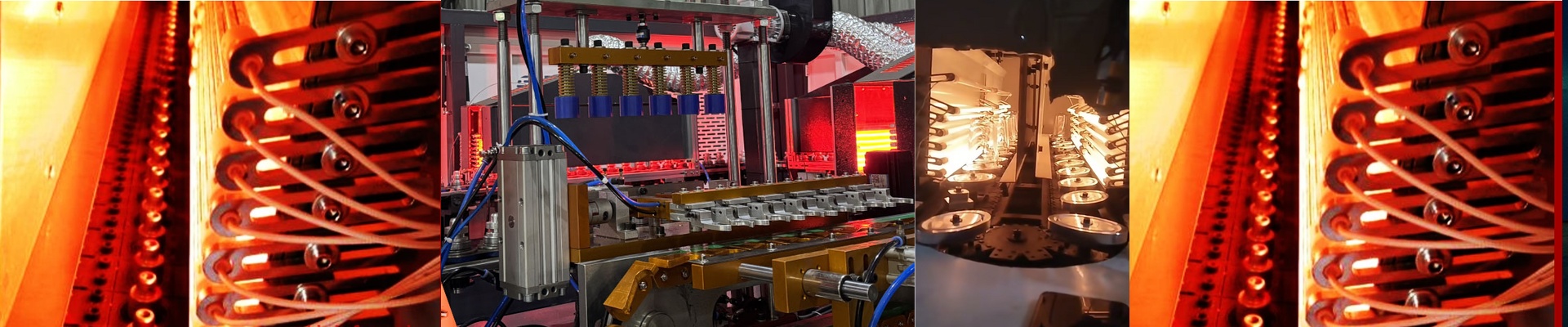
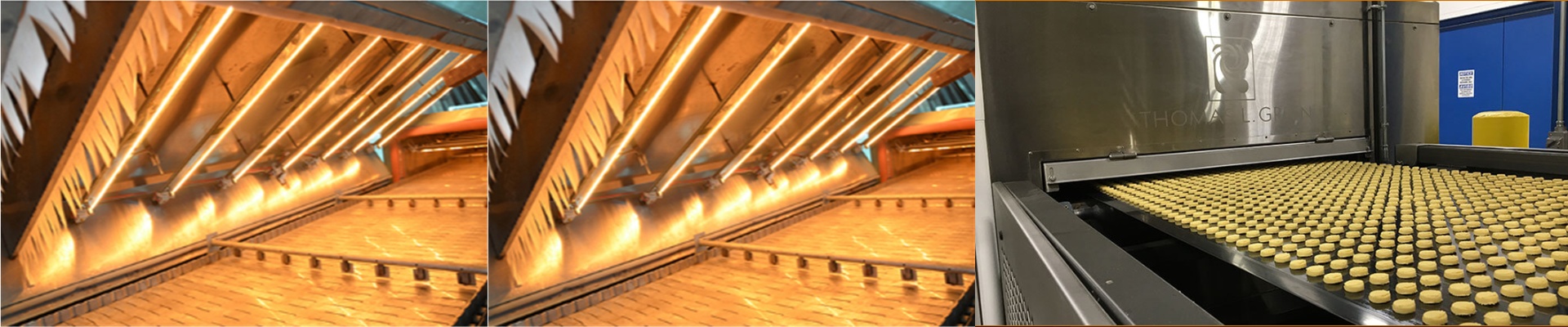
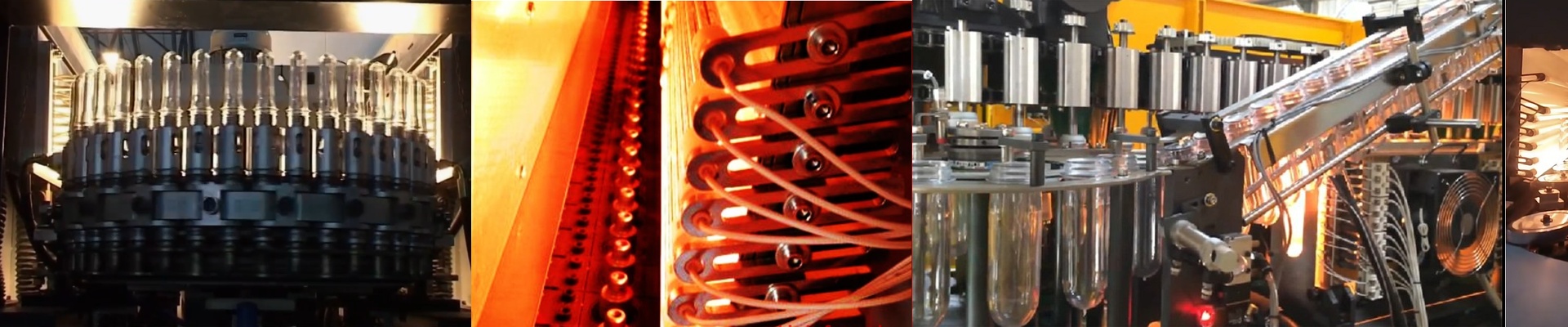
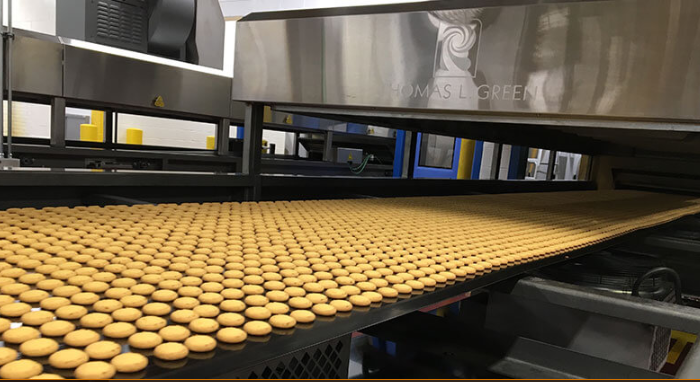
Ever wonder why some industrial loaves have that perfect, shattering crunch on the outside but stay soft and fluffy on the inside? It’s not magic. Most of the time, it’s about how you handle the heat. If you just heat the air in the oven, you’re waiting on the atmosphere to do the work. It’s slow. That’s why we use short-wave infrared (IR) quartz elements. Instead of warming the air, these go straight for the dough. It hits the surface immediately, giving you that deep heat without turning the inside of your bread into a crouton. The secret to that golden brown Think of it this way: traditional convection is like trying to warm a room with a space heater. IR is more like stepping into the sun. The radiation sinks into the surface of the dough, causing a quick temperature spike. This triggers a better Maillard reaction—that’s the fancy term for the browning and flavor we all love—and helps the bread rise faster. Choosing your gear (and not breaking it) When you’re looking for a replacement element, keep an eye on the wattage-to-length ratio. That’s basically your heat density. If you cram too much wattage into a short tube, you get an intense blast of energy. It works great, but it puts a lot of stress on the quartz. We usually stick with halogen-filled quartz because it keeps the filament happy and helps the element last much longer. And for the love of everything, check your wiring. Whether you’re using R7s or SK15 connectors, make sure the contact points are spotless. If the connection is loose or dirty, the terminals will overheat and melt your socket long before the actual filament gives out. The balancing act Here’s the thing: IR heating is aggressive. It’s fast. Really fast. But if your conveyor belt is moving too slowly, you’ll end up with a charred top while the center is still raw. You have to find that sweet spot between the intensity of the IR elements and the base temperature of your oven. Most of these elements are simple drop-in replacements for commercial ovens. Just double-check that your power supply matches the voltage. If you get that wrong, you’re just asking for a dead filament.