Why the Pros Use Infrared Ovens
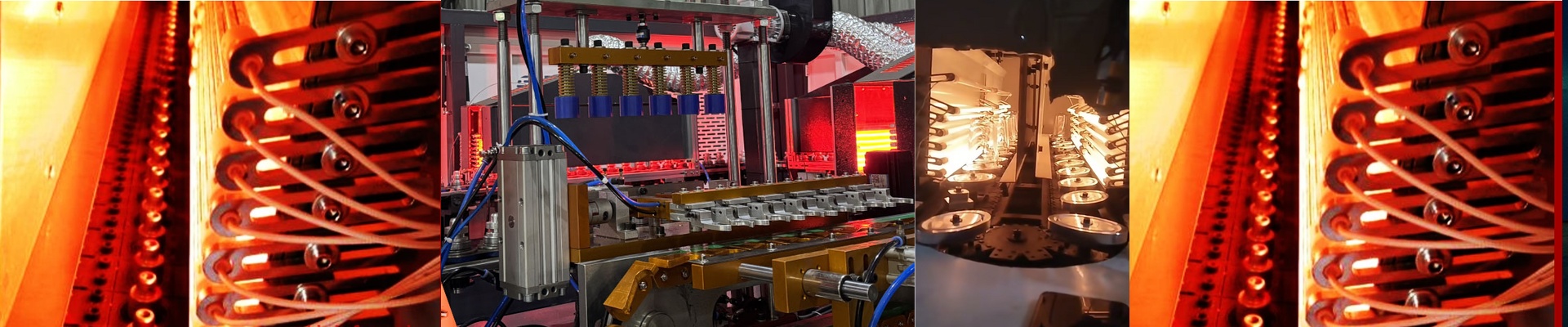
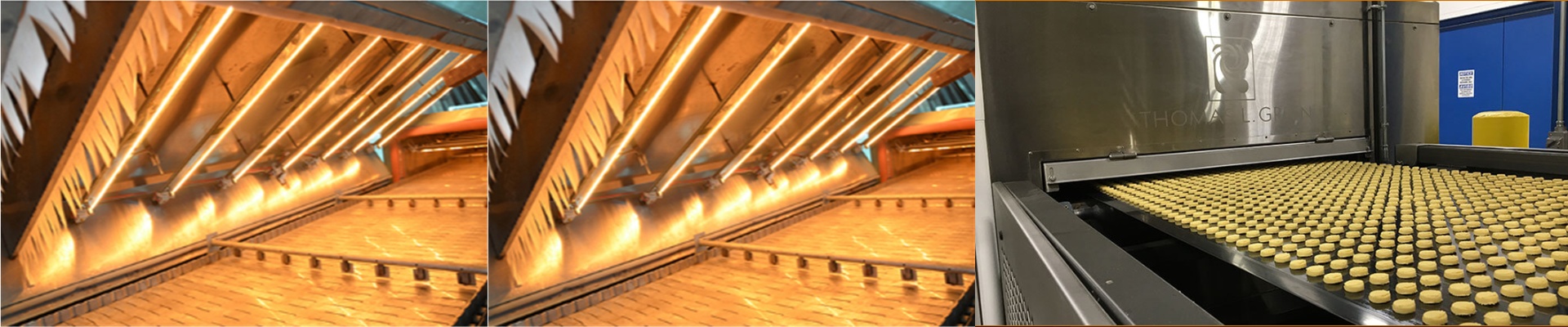
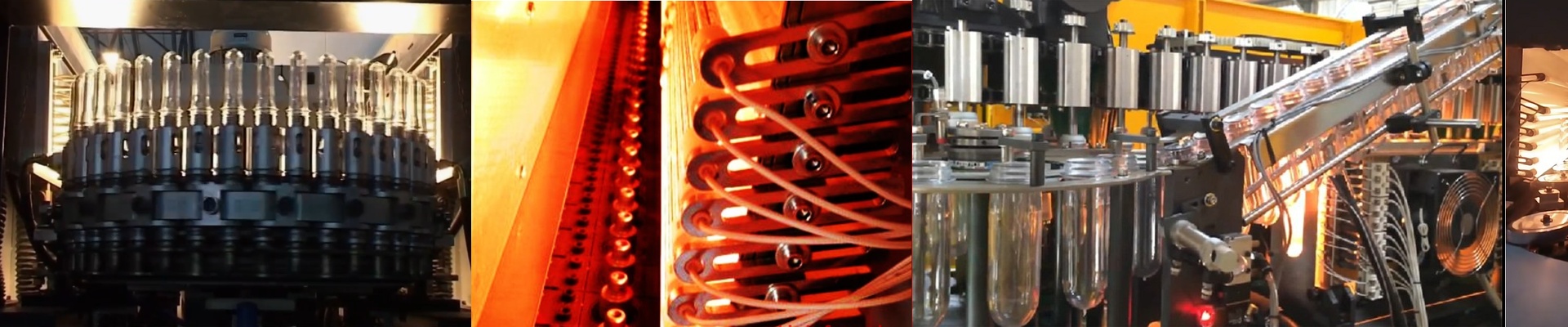
Ever wonder why some pizzas have that perfect, charred crust while yours just feels… baked? It usually comes down to the heat. Most home ovens just blow hot air around. That’s fine for cookies, but for pizza, it’s way too slow. The pros use quartz infrared tubes instead. Instead of waiting for the air to warm up, these tubes shoot energy straight into the dough. It’s an immediate hit of heat.
What’s the deal with Quartz?
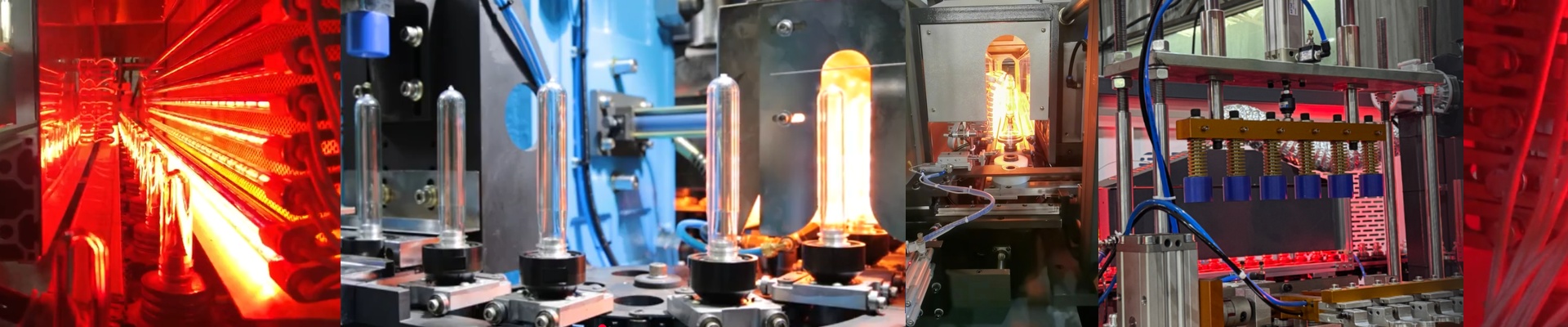
We use high-purity quartz glass for these tubes for a simple reason: it doesn’t freak out when things get hot. When you crank a pizza oven up to 400°C, most materials would just crack under the pressure. Quartz handles that thermal shock like a champ. Plus, the tubes seal the heating element away from the air, which keeps it from wearing out. This means your oven runs hotter and lasts way longer.
Getting that Perfect Crust
Most of these setups use short-wave or medium-wave infrared. The short-wave stuff is the secret sauce—it actually penetrates deep into the dough. That’s how you get a pizza that’s cooked all the way through the middle while the top gets those beautiful, dark “leopard spots” you see on a real Neapolitan pie. And here’s a pro tip: if you wire these as auxiliary heaters, you can control the top heat separately from the stone deck. It gives you way more control over the final result.
A Few Things to Watch Out For
Installing them is pretty easy. Usually, you just slide them into the housing and lock them in. But you have to be careful. These tubes put out a massive amount of heat in a very small space. If your oven doesn’t have good venting, or if your wiring is a bit flimsy, you’re going to fry your controllers. Make sure your voltage and wattage match your power supply exactly. If they don’t, you’ll be staring at a blown fuse the second you flip the switch.