Why a Few Degrees Matter in Your Oven
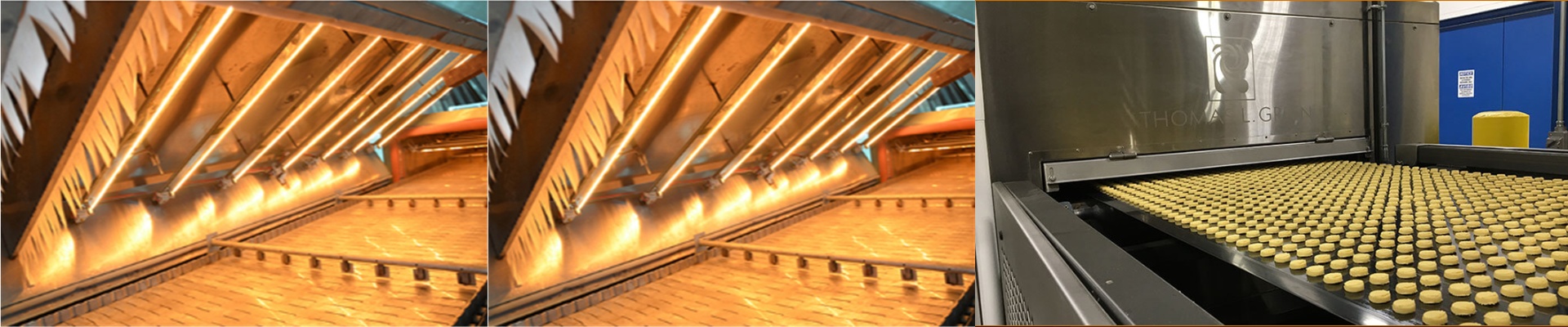
In a commercial bakery, a single degree can be the difference between a perfect loaf and a disappointment. It’s all about that Maillard reaction—the magic that gives your crust that deep gold color and keeps the inside just right. The problem is that bulk oven heat isn’t always enough. That’s why we use auxiliary halogen heating lamps. They bridge the gap, hitting the surface of the bread with exactly the kind of heat needed for a consistent finish every single time.
Getting the Heat Right
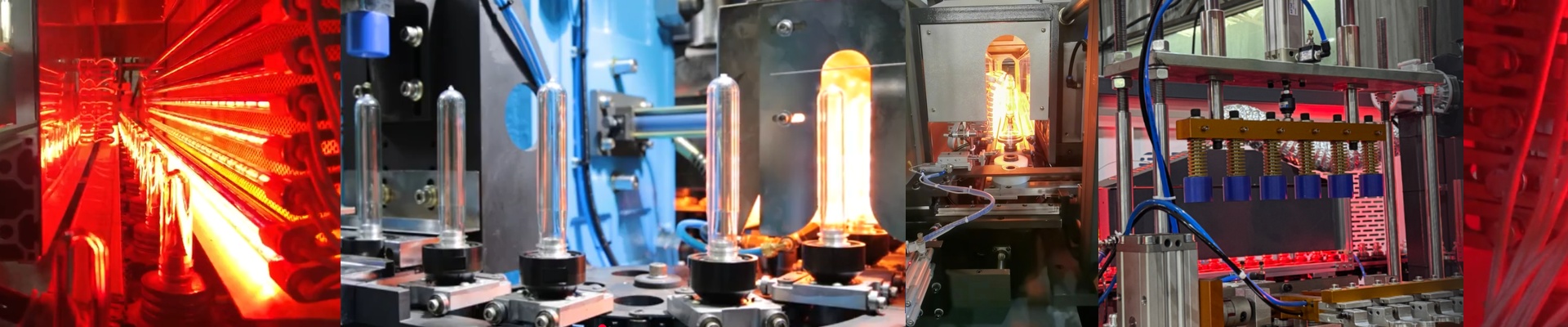
Standard heating elements are just too slow. They have this “lag” that drives you crazy when you’re trying to be precise. We switched to short-wave infrared lamps because they don’t waste time heating up the air around the bread. They send energy straight to the surface. It’s nearly instant. You flip the switch, and the heat is there; you cut the power, and it drops. This lets the PID controller keep the temperature in a very tight window. Just a heads-up: make sure your power supply can handle the initial surge when these lamps kick in. If you haven’t spec’d for that inrush current, you’re going to be tripping breakers all morning.
The Hardware
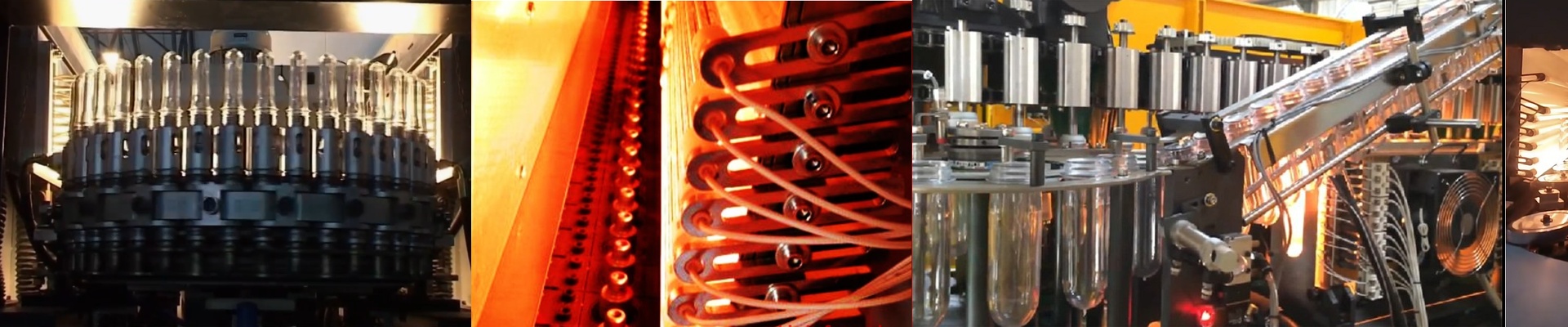
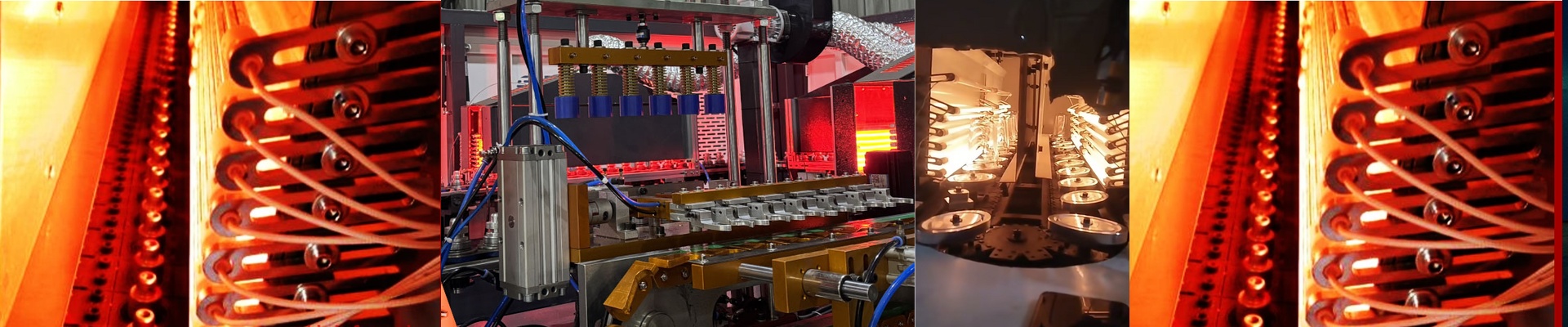
We use high-purity quartz glass for these lamps. Why? Because they have to survive extreme thermal shock without cracking. Depending on your setup, you’re probably using R7s or SK15 connectors. We designed these to be simple drop-in replacements that won’t shake loose, even in high-vibration environments. We also add a special coating to the quartz. It tweaks the heat spectrum so the energy hits the crust instead of just warming up the oven walls. It’s a much smarter way to use your power.
The Trade-off
Here’s the thing: high heat density is great, but it creates its own set of problems. When you cram a high-wattage lamp into a small auxiliary chamber, things get hot. Fast. You’ve got to make sure your ventilation and cooling fans are actually doing their job. If the air around those lamp sockets gets too hot, your wiring insulation will literally melt. It’s a balancing act. You want that intense heat for the bread, but you need enough airflow to keep the equipment from burning itself out.