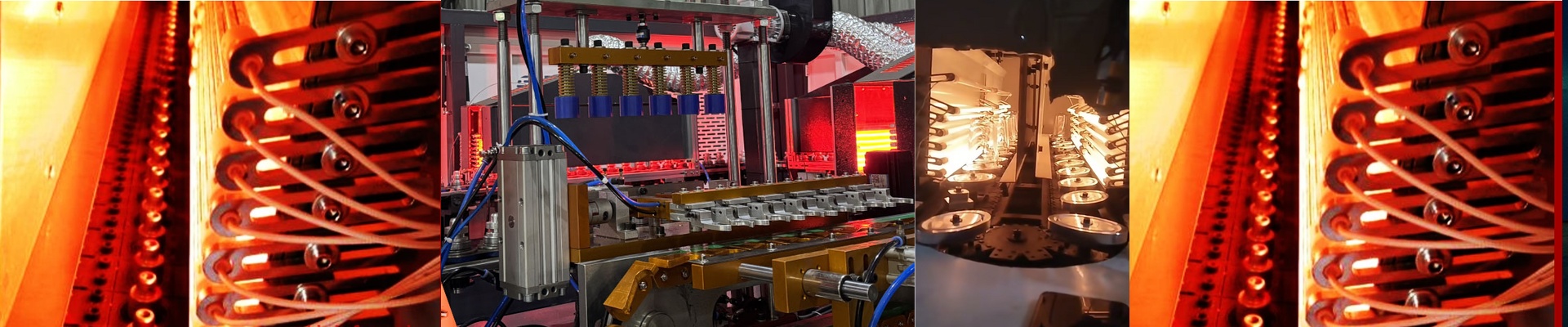
Getting Your SACMI Rotary Blow Molders to Heat Up Faster
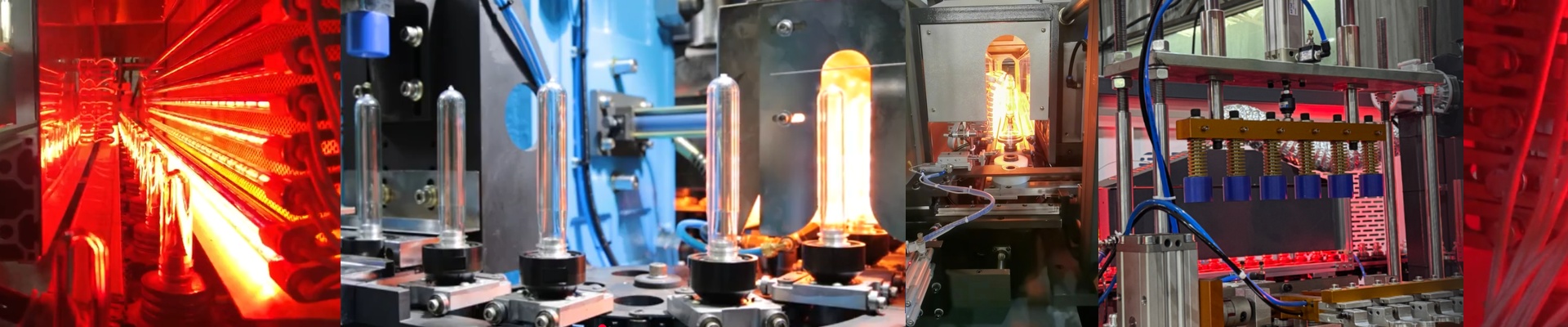
When you’re running a SACMI rotary blow molder, things move fast. Really fast. At those speeds, even a tiny delay in heat delivery can mess everything up. You end up with uneven preforms and wonky wall thickness—basically, scrap you didn’t want. That’s why we focused on the “lag.” We wanted to kill that start-up latency.
The Secret to a Fast Start
Here is the thing: in high-speed PET blowing, the ramp-up time is where the battle is won or lost. We didn’t just make a “hotter” lamp. We tweaked the filament geometry and used a specific halogen gas fill so the lamp hits its target temperature in milliseconds. By trimming down the filament mass, we got rid of the thermal inertia. It doesn’t just slowly warm up. It hits full wattage the second it’s triggered.
Plug, Play, and Forget It
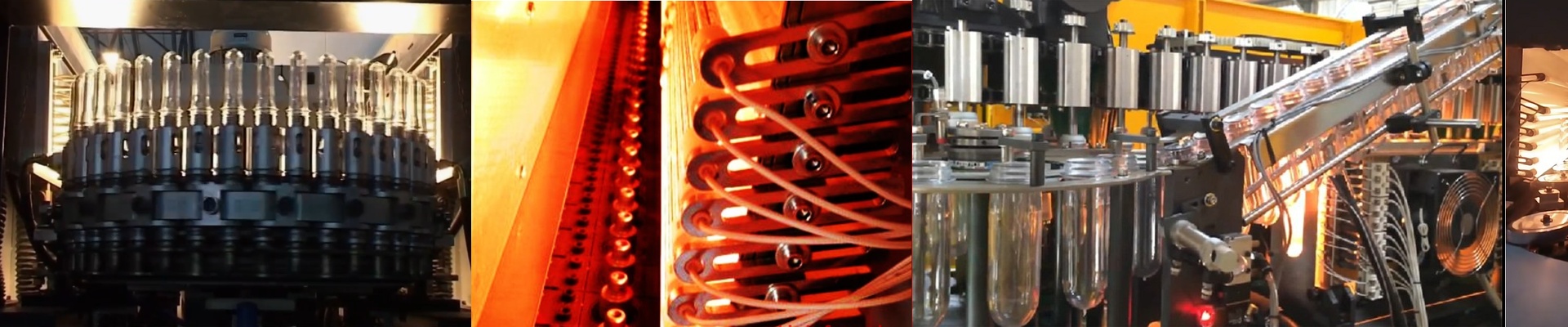
We made these as drop-in replacements for Krones and SACMI systems. No weird workarounds or custom adapters here—just standard industrial connectors so you can get back to work quickly. We also used high-purity quartz glass. Why? Because rapid cycling creates a lot of thermal shock, and cheap glass just can’t handle that kind of stress. Whether you’re on a 230V or 400V setup, the wattage is balanced so you don’t blow the filament during aggressive pulsing.
The Trade-off (and how to handle it)
Now, let’s be honest. Pushing more wattage into a shorter tube for a faster response puts a lot of pressure on the lamp ends. If your voltage regulators aren’t dialed in, you’re going to see a shorter lifespan. It’s just physics. Plus, you’ve got to keep an eye on your cooling fans and your reflectors. If those reflectors get pitted or dirty, the heat bounces right back into the tube. That softens the quartz and kills the lamp way sooner than it should. Keep those reflectors polished. Your lamps will stay cool, and your preforms will stay consistent. Simple as that.