How we cut pizza bake times from 5 minutes to 90 seconds
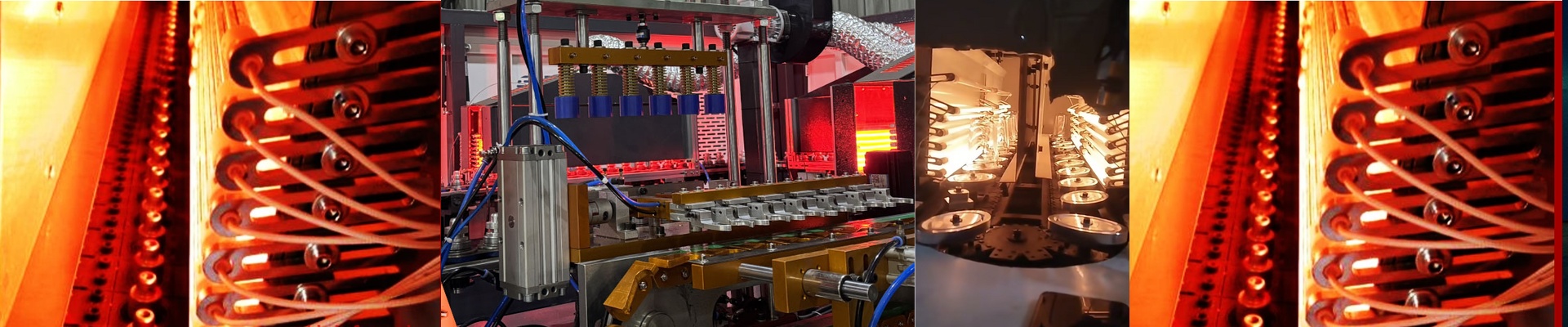
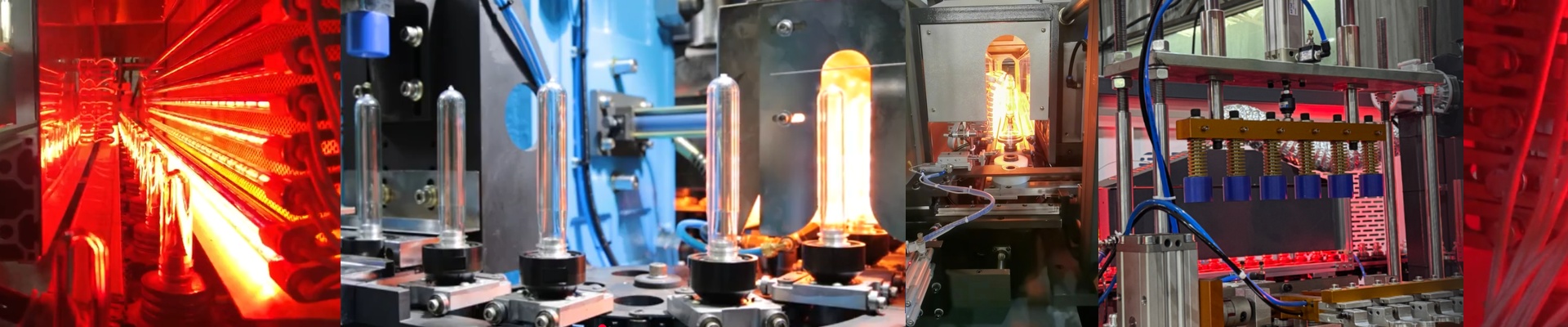
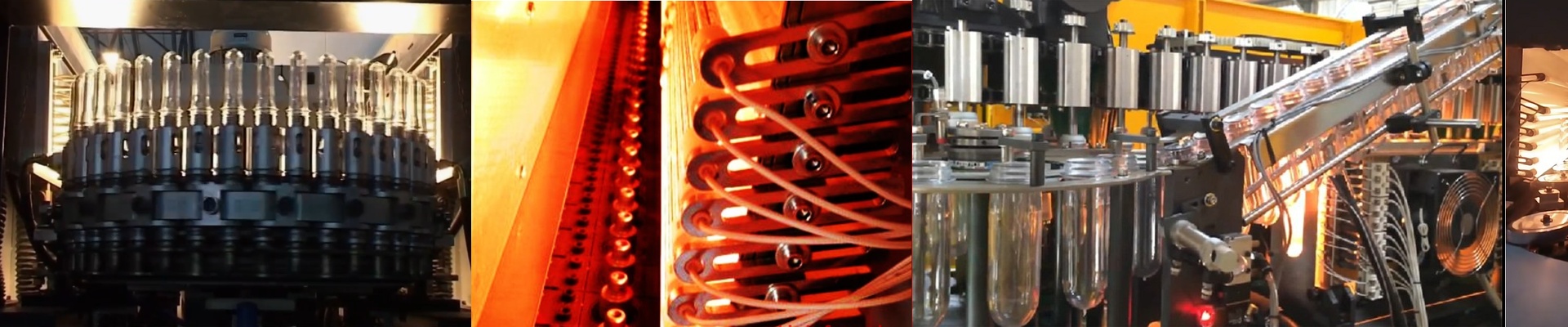
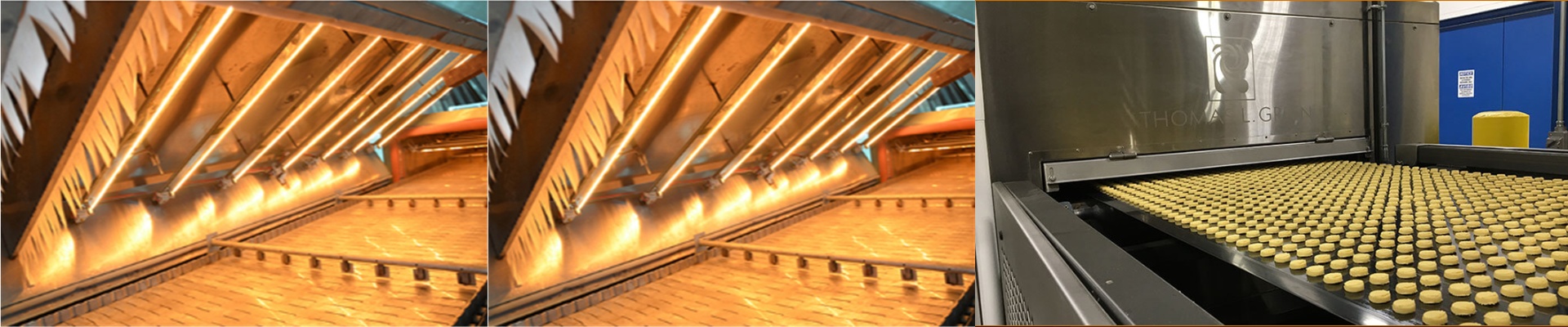
Most ovens just heat up the air and hope for the best. The problem is that air is a slow mover—it creates this lag that keeps your pizzas in the oven way longer than they need to be. We decided to stop messing with the air. Instead, we use shortwave infrared (IR) lamps. Think of it like sunlight hitting your skin on a hot July day; it doesn’t wait for the breeze to warm up, it just hits you. By hitting the dough and toppings directly, we can slash a 300-second bake down to just 90 seconds. The secret is in the heat density To get that kind of speed, you need a massive amount of power packed into a tiny space. These IR emitters run much hotter than your standard heating elements. They send radiation straight into the pizza, which triggers that perfect brown crust and melted cheese almost instantly. The best part? You get that satisfying “snap” to the crust without drying out the center. It stays juicy. The gear behind the magic We use high-purity quartz tubes for the lamps because they can handle the shock of jumping from cold to scorching hot in a heartbeat. These things ramp up in seconds, not minutes. You’ll find them tucked into the top canopy of the oven. But here is the catch: your reflectors have to be spotless. If your gold or aluminum reflectors get pitted or dirty, the heat won’t spread evenly. You’ll end up with “hot spots” where the pepperoni is charred to a crisp but the crust is still raw. The trade-offs (because nothing is free) Going this fast does put a bit more pressure on your electrical setup. Switching from convection to IR means a bigger spike in current. You’ll want to make sure your wiring and panels can handle the surge when those lamp banks kick in. And because IR is so aggressive, your timing has to be spot on. When you’re baking for five minutes, a 10-second mistake doesn’t really matter. But when your total bake time is only 90 seconds? Ten seconds is the difference between a perfect pie and a charcoal brick.