Getting Your SACMI Rotary Blowers to Hit the Right Temp, Faster
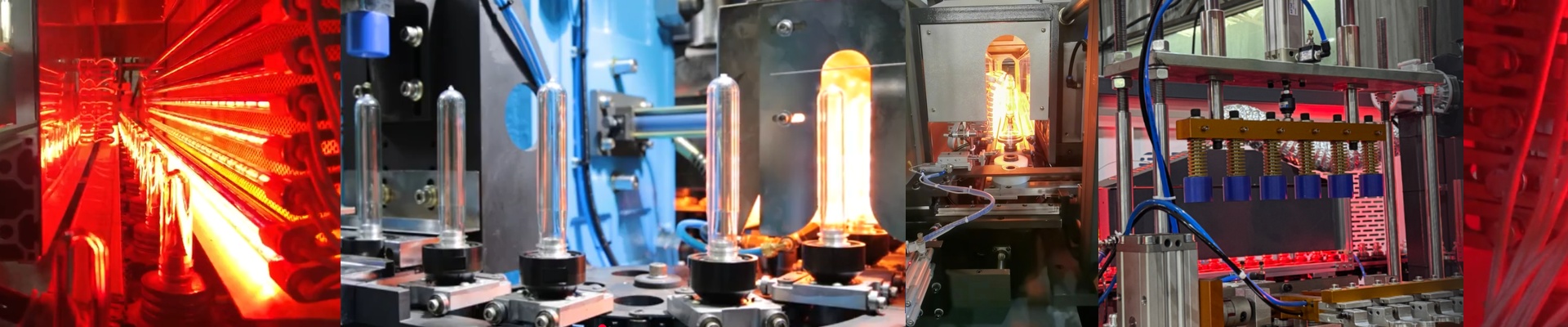
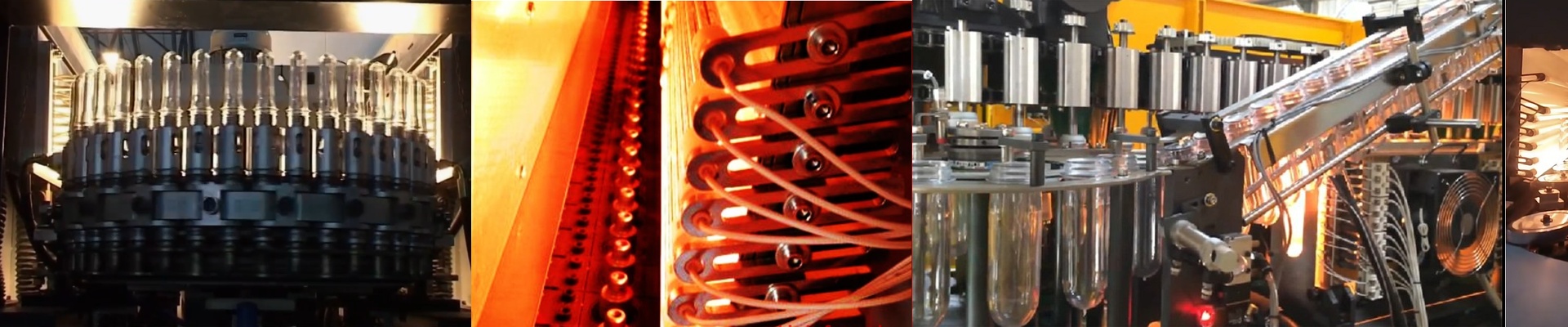
When you’re running a SACMI rotary blowing machine, everything happens fast. Like, really fast. In that kind of environment, every millisecond counts. If your infrared (IR) lamps take too long to hit the target temperature, your cycle speed drops and your preforms start looking sloppy. That’s exactly why we build our PET blowing lamps the way we do. We’re all about cutting out that lag. The secret to a fast start To keep up with a high-speed SACMI line, you need a lamp that wakes up instantly. We focus heavily on the filament’s thermal mass and how it handles voltage. You want it to hit operating temp immediately, but without “overshooting” and getting too hot. We use a specific halogen gas fill and high-purity quartz envelopes to make sure the heat jumps straight into the PET preform. If the lamp is sluggish, you’ll start seeing uneven wall thickness in your bottles. And nobody wants to deal with that. No headaches during installation We designed these to be simple drop-in replacements. We match the wattage and voltage to your original machine’s power supply, so you don’t have to spend your afternoon rewiring cabinets. Plus, we tighten the connectors specifically to stop arcing when you’re switching at high frequencies. We stick with shortwave IR technology. Why? Because it digs deeper into the PET material much faster than medium-wave options. It means your preforms spend less time hanging out in the heating oven. A few things to keep in mind Here’s the thing: pushing for extreme heat density comes with a trade-off. When you crank these lamps to shave a few milliseconds off your response time, your oven’s cooling system has to work harder. You’ve got to make sure your ventilation can actually handle the load. If the air inside the oven gets too hot, you might accidentally overheat the preform neck, and then you’ve got deformed bottles on your hands. We know these tubes are going to take a beating in a 24/7 production cycle. By tweaking the filament geometry, we’ve found a sweet spot—they start up fast, but they won’t burn out the moment things get intense.