
Keeping the Heat Steady in Rotary Ovens
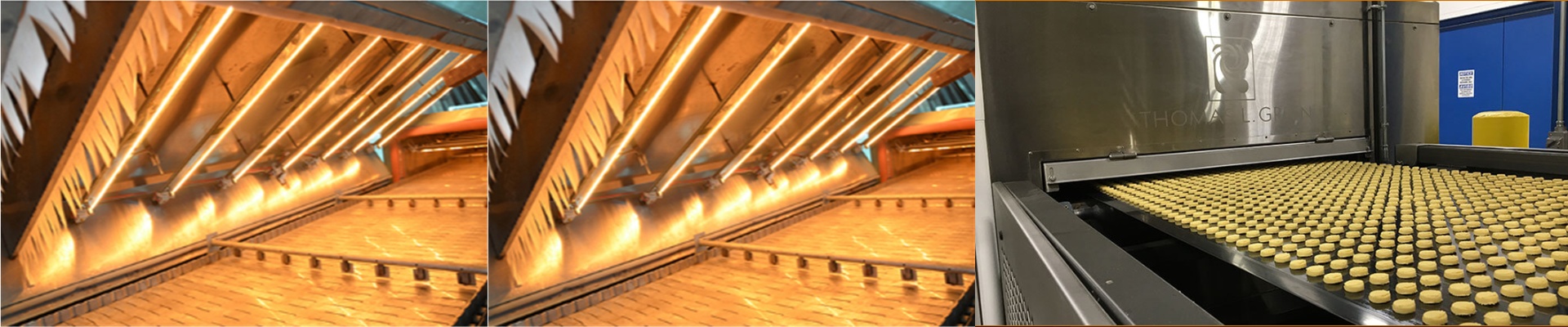
If you’ve ever run a rotary oven, you know the struggle. You’ve got your settings dialed in, but then someone opens the door or a cold draft hits the shop floor, and suddenly your internal temp tanks. It’s frustrating. One bad dip in temperature and you’re looking at a batch of ruined product. To fix this, we lean on circular ceramic heaters and infrared (IR) sensors. Here is how it actually works in the real world.
Why circular ceramic heaters?
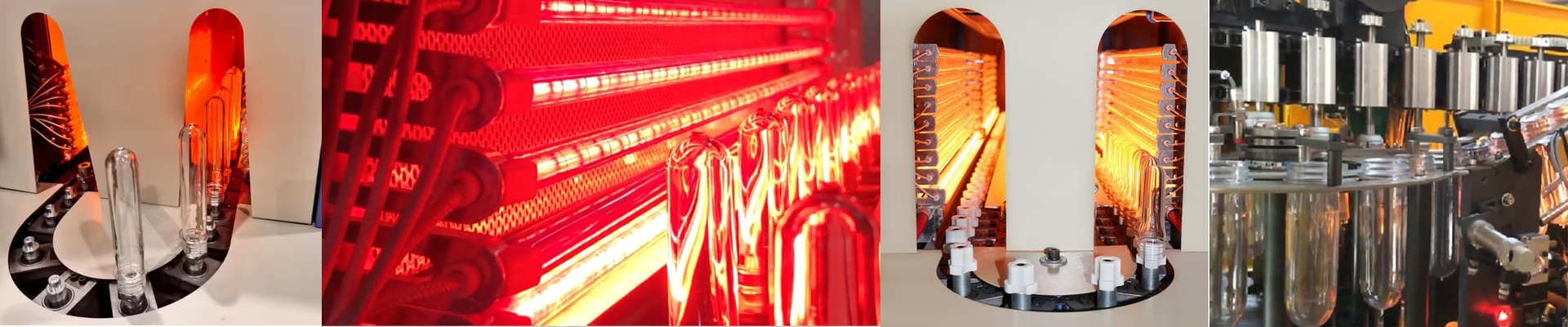
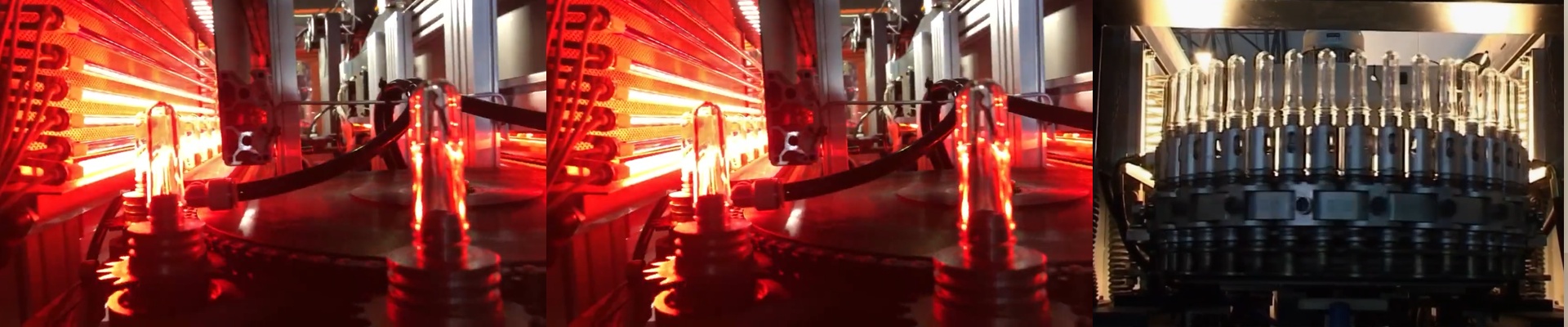
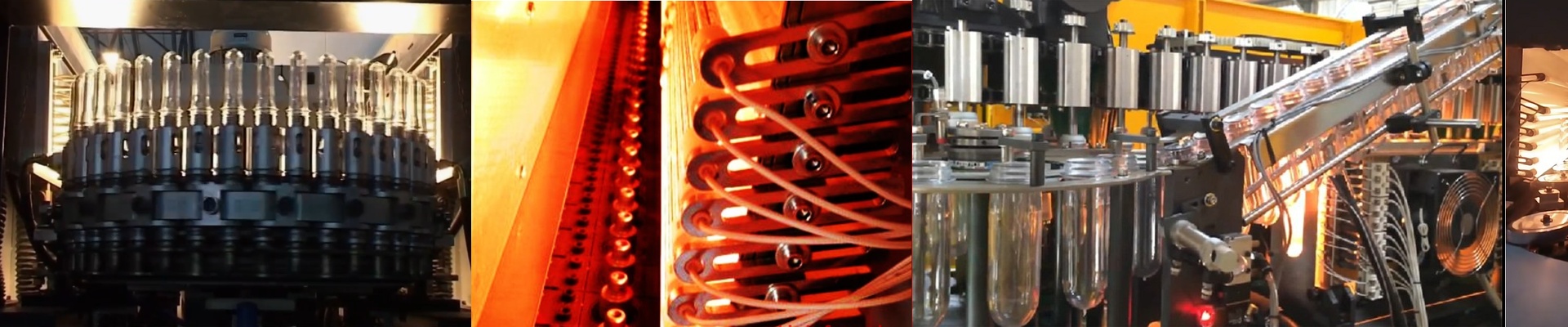
Think of these heaters as a warm sleeve wrapped around your rotating load. Instead of using those old-school resistive coils that create hot spots, these spread radiant energy evenly across the whole cylinder. We push for high-density heat here. The goal is to get the core of your product up to temp quickly without accidentally torching the outside. It’s all about that balance.
The secret is in the IR sensors
Here’s the thing: standard thermocouples are just too slow. They spend their time measuring the air or the oven wall, which doesn’t actually tell you if your product is hot enough. That’s why we use IR sensors. They look directly at the surface of the load in real-time. If the sensor catches a dip—even a small 5°C drop from a draft—the PID controller kicks in and bumps the voltage to the ceramic elements immediately. No lagging. No guessing. Most cheap systems have a “sawtooth” temperature graph that jumps up and down. With this setup, you get a nice, flat line. Your product stays consistent.
A few things to watch out for
High-wattage heaters move a ton of energy, and that comes with a few catches. First, check your wiring. If your power supply is too small, you’ll get a voltage drop. When that happens, the heat response lags, and the fancy IR system becomes basically useless. Also, keep an eye on your contactor ratings. These heaters work hard, especially in 24/7 operations, and they take a beating. And for heaven’s sake, make sure there’s plenty of ventilation around the heater housings. If you don’t, you’ll end up cooking your own control electronics.