
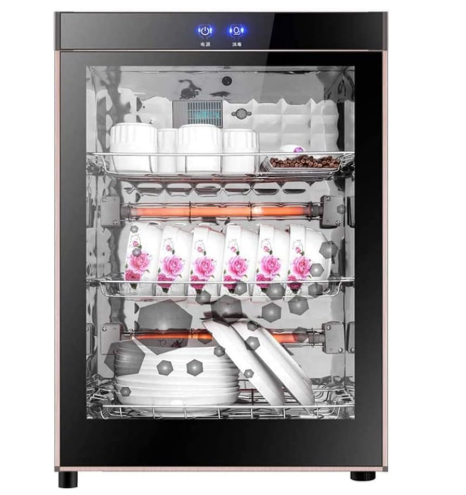
Getting Heat Deep Into the Food: Why Shortwave IR Matters in Steam Ovens
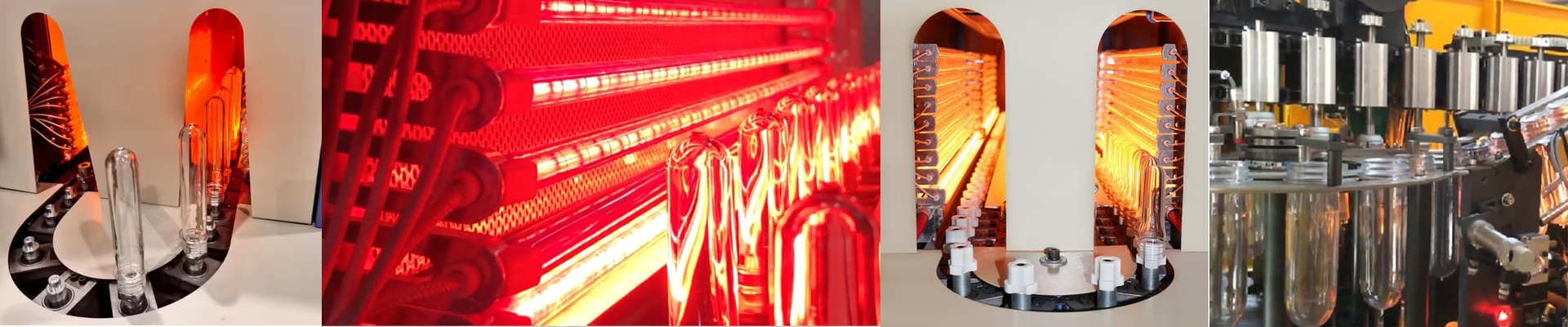
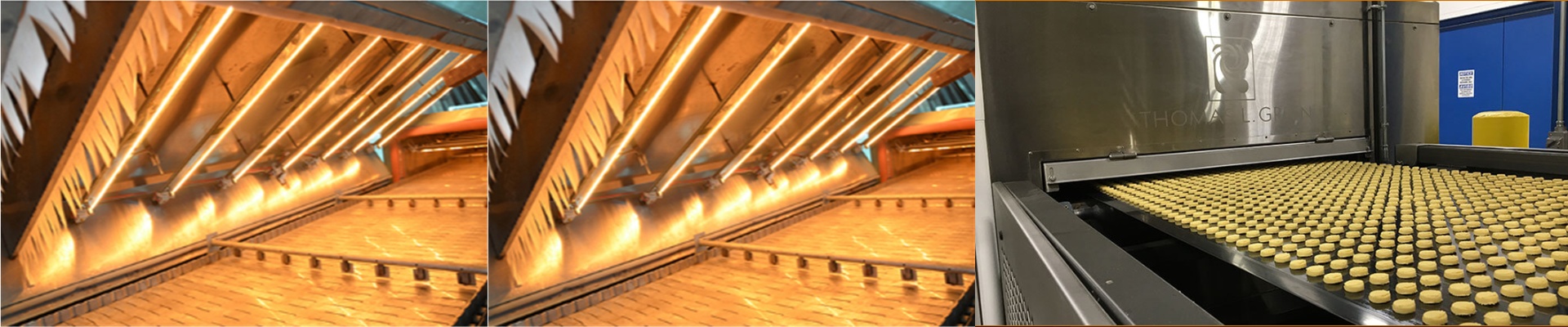
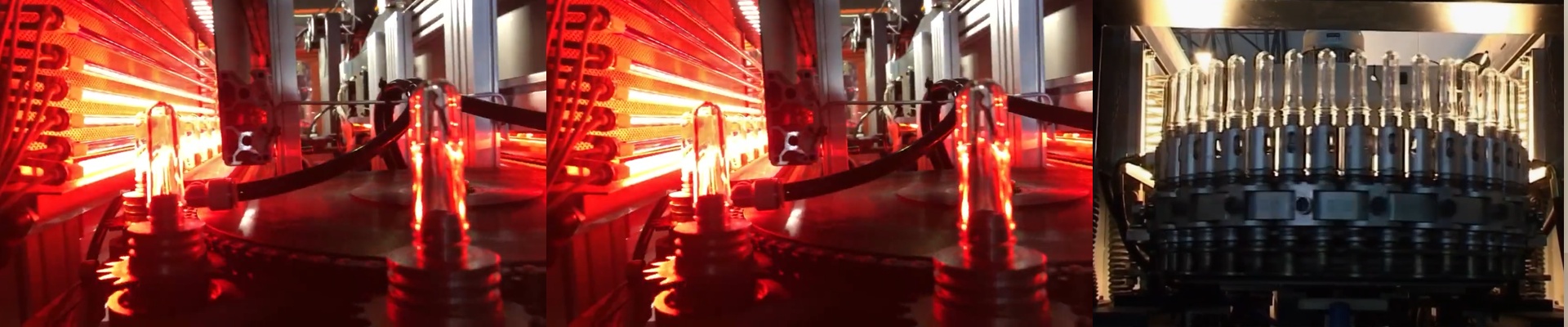
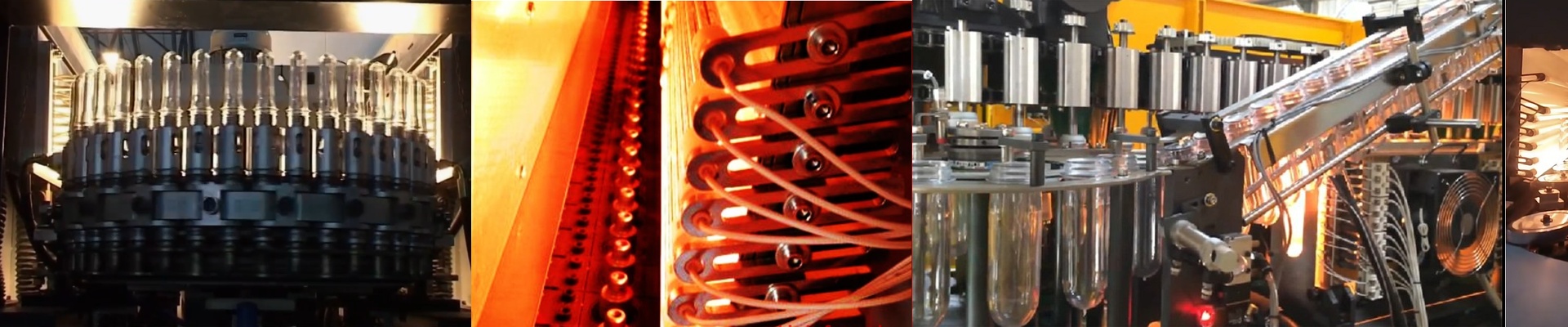
Here is the problem with most steam ovens: they’re great at the surface, but they struggle to get the heat where it actually belongs—the center. You end up with food that looks done on the outside but is still lukewarm in the middle. We fixed this by adding radiant lamps that use shortwave infrared (SWIR). Instead of just pushing hot air around, these lamps send out electromagnetic waves. They don’t just sit on the surface; they dive right into the food. The secret to that perfect sear Most heaters just hit the “skin” of the food and stop. We changed the filament and the quartz glass to shift the light to shorter wavelengths. Think of it like this: the heat travels deeper into the proteins and starches before it actually turns into heat. This is how you get that gold-standard result—a crisp, seared exterior and a tender, juicy core—without accidentally turning the edges into cardboard. The nitty-gritty (and the warnings) To get this kind of power, we use high-wattage quartz tubes. They run on high-voltage circuits, which keeps things efficient even across longer tubes. We also spent a lot of time on the filaments so the heat is even across the whole rack. No cold spots. But look, this much heat is intense.Really intense. If your oven’s shell isn’t insulated properly or your fans can’t keep up with the temperature spike, you’re going to have a problem. You might even warp the housing if you aren’t careful. Making it work in the real world We didn’t want this to be a headache to install. These lamps are designed as drop-in replacements. They use standard industrial connectors (like R7s or Sk15), so you can just wire them up and go. No weird custom adapters needed. Since steam ovens are basically sauna environments, we treated the quartz glass to handle the humidity. One last thing: while these tubes are built for industrial use, they are still glass. They’re fragile. Use rigid mounting brackets to keep them from shaking, or you’ll end up with a burnt-out filament way sooner than you’d like.