
Why Your Bathroom Heater Actually Dies (And How We Fix It)
Ever wonder why some infrared heaters just give up the ghost after a year? Most people blame the heating element. But usually, the element is just fine. The real culprit? The lead-in wires. Think about it. These things live in a swamp of humidity and pump out intense heat. When you use cheap insulation, that constant heating and cooling starts to eat away at the material. It gets brittle. It cracks. Then, the steam from your shower finds its way in, and—pop—you’ve got a short circuit.
The “Heat Soak” Problem
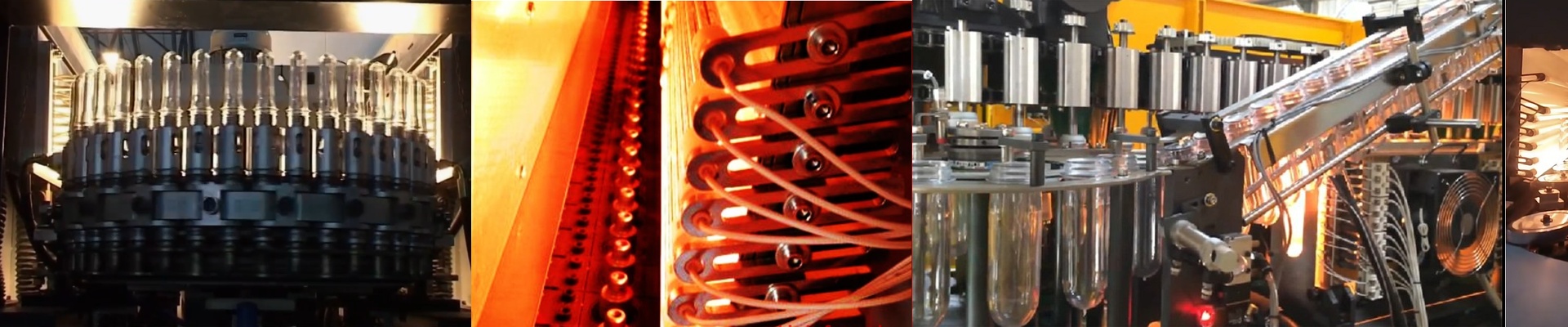
Here’s the thing: in budget heaters, there’s usually a sloppy gap between the quartz tube and the wire. This lets heat leak backward into the wiring. We call it “heat soak.” It basically cooks the insulation from the inside out. Once that jacket fails, moisture seeps in and kills the unit. We handle this differently. Instead of just wrapping the wire and hoping for the best, we use high-temp silicone or ceramic potting compounds. It creates a tight, airtight seal. This forces the heat to go where it belongs—out into the room—and keeps the electrical connections cool and dry.
Real Engineering vs. Quick Fixes
A lot of factories just use heat-shrink tubing. It’s fast. It’s cheap. But it can’t handle 200°C spikes over and over again. Our process is a bit more involved. We use precision-molded seals that actually bond to the shape of the tube. Plus, we build in “strain relief.” That just means if the wire gets tugged during installation, the seal doesn’t rip open. It stays put.
The Honest Trade-off
Now, this isn’t magic; it’s engineering, and engineering always involves trade-offs. Better seals take up more space. You can’t just jam these into a tiny chassis without double-checking your clearances. Also, high-grade potting compounds take longer to cure. It slows down the assembly line. But that’s the choice. You can prioritize manufacturing speed and accept that a bunch of heaters will fail after 12 months. Or, you can take the extra time upfront so the customer doesn’t have to call you for a refund next year. We prefer the latter.