
Getting the Seal Right: Why Outdoor Infrared Heaters Fail (and How to Fix It)
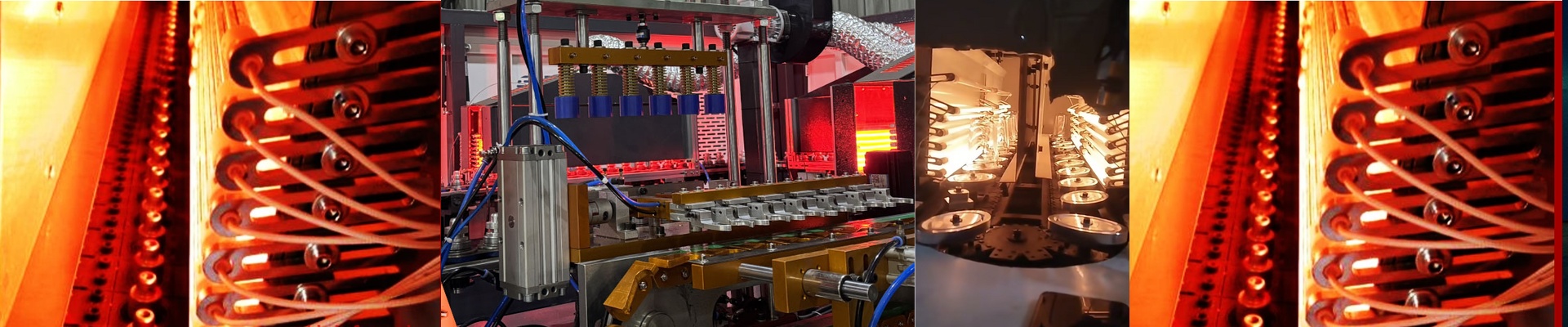
Outdoor infrared heaters live a rough life. You’ve got massive amounts of heat fighting against rain, humidity, and those brutal temperature swings that happen overnight. Most people worry about the heating element, but that’s rarely where the real trouble starts. The real nightmare? The lead-wire seal. If a little bit of moisture sneaks into that electrical connection, you get oxidation. Then you get a short. Then you’ve got a dead heater. The problem with “standard” seals Here’s the thing: most seals just can’t handle the constant expanding and contracting of the heater housing. It’s like a slow-motion tug-of-war. A lot of cheap units use basic silicone. It looks fine at first, but it bakes. It hardens. Eventually, it just turns brittle and cracks. Once that happens, water is in. If you’re aiming for an IP65 rating, that’s a disaster. How we actually stop the leaks We don’t just slap a rubber ring on the wire and call it a day. That doesn’t work. Instead, we use high-temp fluorosilicone or a specialized epoxy potting that actually bonds to the wire’s insulation. It creates a tight, gas-proof barrier that doesn’t care how hot the unit gets. And you can’t forget the wires themselves. If you use standard PVC, it’ll melt and shrink back, pulling the wire right out of the seal and leaving a wide-open door for rain. We stick with fiberglass-braided silicone or PTFE. They stay put. The honest trade-off Now, there is a catch. When you make a seal this tight, you give up “easy” repairs. Once that lead is potted in high-temp epoxy, you can’t just pull it out to swap a wire. If something goes wrong with the wiring, you’re replacing the whole lead-out assembly. It’s a choice: do you want something you can tinker with in five minutes, or do you want a system that won’t short out during a rainstorm? We choose the latter. Just make sure your installation team gets the wiring right the first time. Once that potting sets, there’s no such thing as a “quick fix.”