Stop Letting Your Patio Die in the Winter
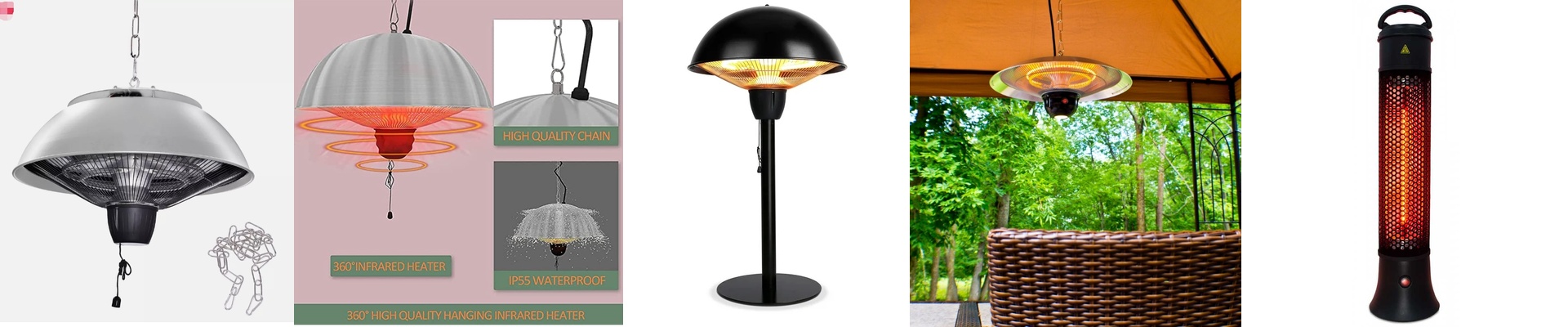
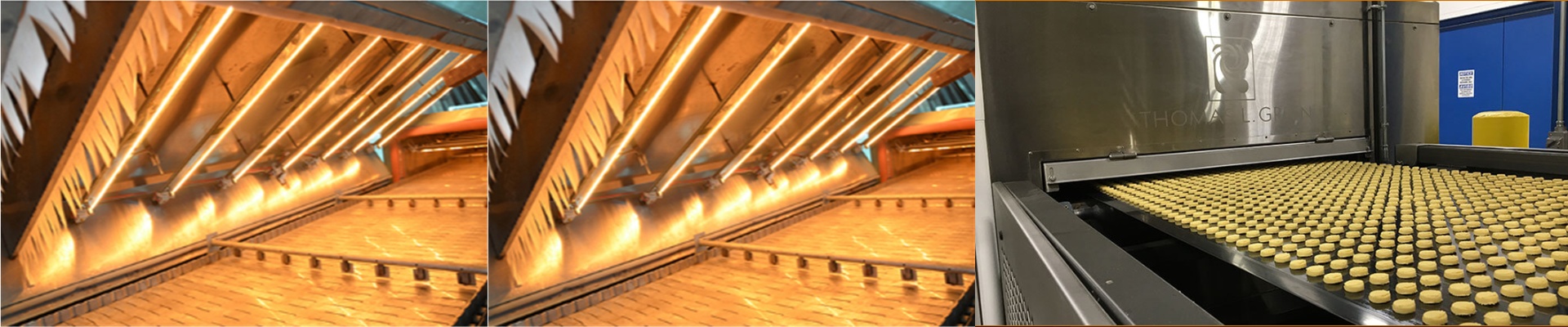
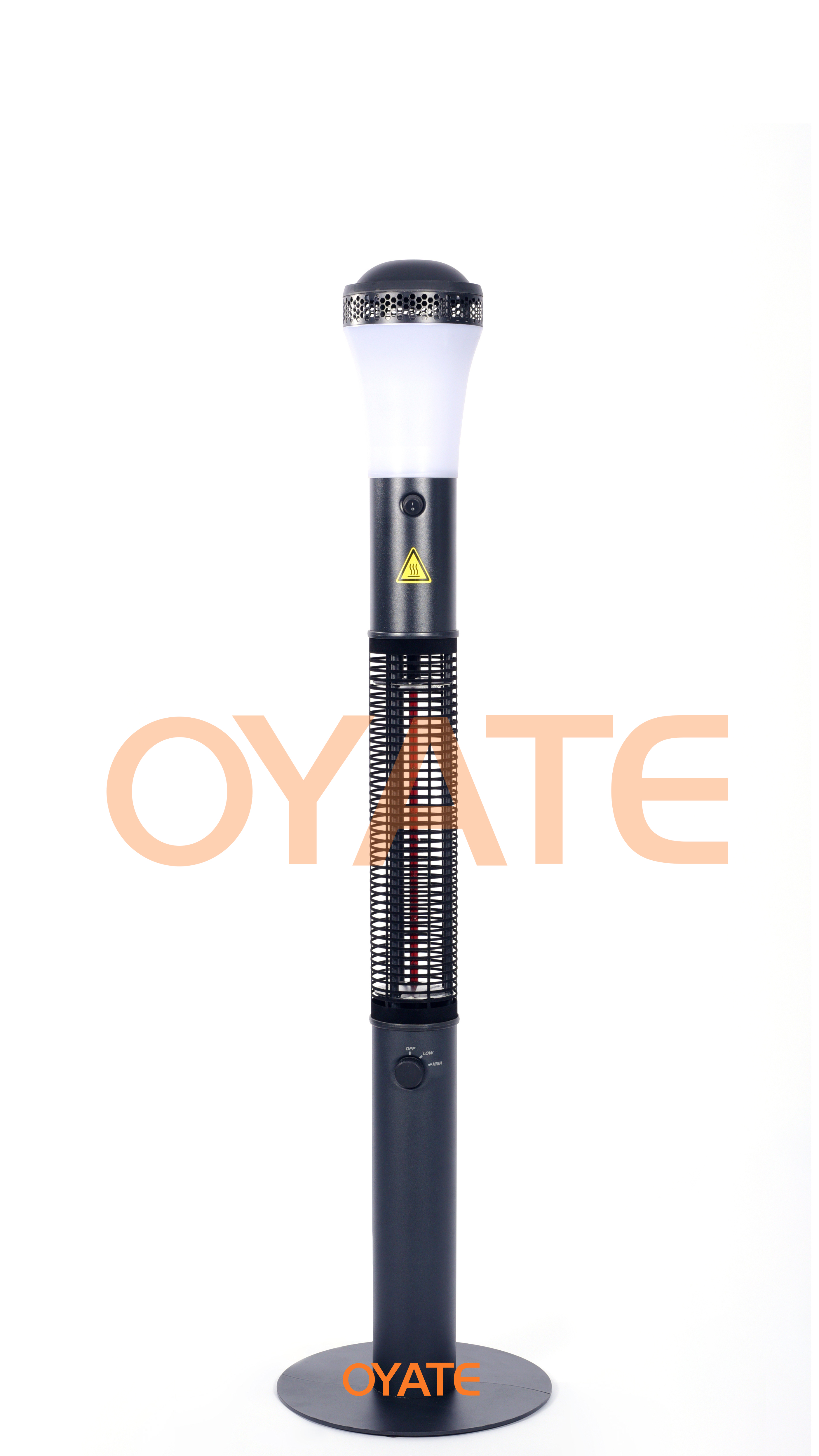
It’s a bummer to see a great outdoor space just sitting there empty once the temperature drops. Most restaurants try to fight the cold with standard heaters that just warm up the air. The problem? The wind just blows that warmth away. You’re basically paying to heat the sidewalk. That’s where shortwave infrared heaters come in. Instead of fighting the breeze, they beam heat directly onto your guests. It’s like sitting in the sun on a crisp October day. The air might be freezing, but the people feel warm. Keeping the seats full Think about it: if a guest sits down and immediately feels that warmth, they’re going to stay. They’ll order another round of drinks or a dessert they weren’t planning on because they’re actually comfortable. When people aren’t shivering, they relax. And when they relax, they spend more. It turns your patio from a “seasonal” spot into a year-round money maker. The technical stuff (don’t skip this) Here is the catch: you can’t go cheap on the wattage. If you put in weak bulbs, your guests will still feel a chill, and you’ve just wasted your money. You need high-wattage arrays to really punch through the cold. But before you buy a dozen of these, check your electrical panel. These units pull a lot of power—usually 2kW to 3kW each. If your wiring is old, you might run into voltage drops, which basically means your heaters will just limp along instead of actually heating anything. Getting the install right Placement is everything. If you hang them too high, the heat disappears before it ever reaches the table. Too low? Your guests’ heads will be baking while their toes are freezing. You have to find that sweet spot. One last thing—shortwave heaters have a pretty bright glow. Just make sure you aren’t pointing them directly into a server’s eyes or blinding your customers while they’re trying to read the menu. A little bit of planning during the install saves a lot of headaches later.