

Keeping Bathrooms Warm Without Blinding Your Guests
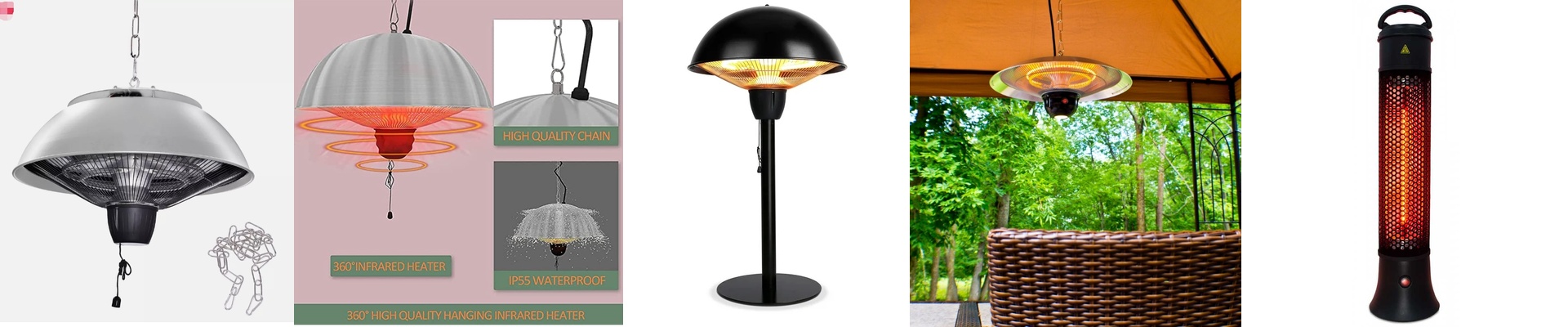
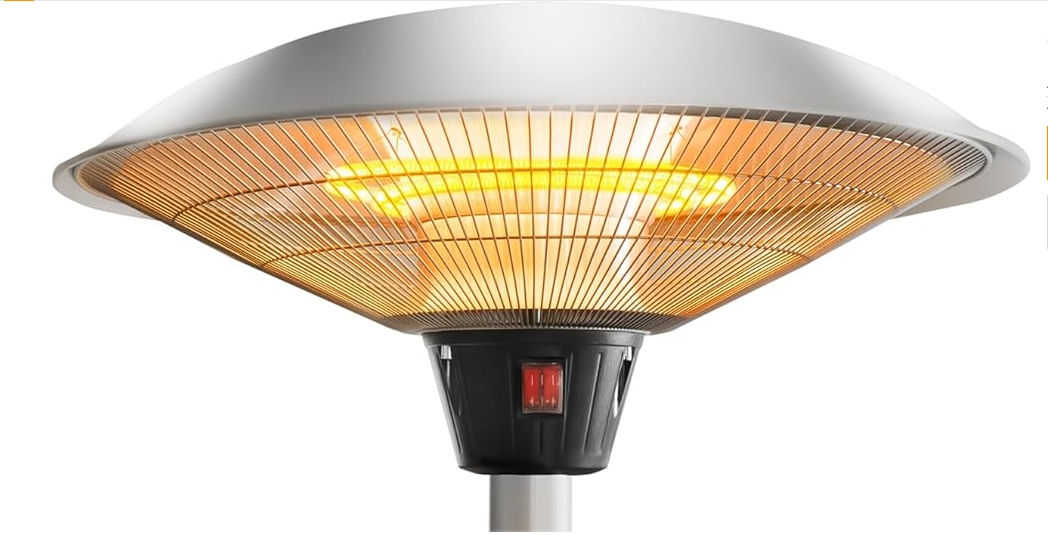
When you’re putting an infrared heater in a bathroom, a waterproof seal is just the starting point. It’s not enough. Especially if you’ve got babies or people with sensitive eyes in the house, you have to think about the light coming off that lamp. It’s a tricky balance. You want the warmth, but you don’t want it to feel like a spotlight is hitting you in the face. The glare problem Ever noticed how some short-wave lamps have that harsh, blinding white glare? It’s annoying at best and genuinely bad for an infant’s eyes at worst. We fixed this by filtering the spectrum. By using specific quartz coatings or filtered halogen tech, we shift where the energy goes. You still get all that cozy heat on your skin, but the blinding light is gone. It’s much softer. Dealing with the water (and the heat) Now, we’re talking about IP66 here. That basically means the thing is dust-tight and can handle a heavy blast of water without flinching. To make that happen, we wrap the quartz tubes in tempered glass or reinforced polycarbonate, held together with high-grade silicone gaskets. But here’s the catch: when you seal something that tight to keep water out, the heat has nowhere to go. Inside the housing, it gets hot. Fast. To stop the wiring and connectors from literally cooking themselves, we use aluminum heat sinks. They pull the heat away from the sensitive bits so the insulation doesn’t burn out. A few things to keep in mind These units slide right into the spot where a standard bathroom heater would go. But, because we’re using filtered lamps, the efficiency is a bit different than a raw quartz tube. You might notice it takes a few seconds longer to reach top temperature. It’s a tiny delay, but it’s a fair trade for not blinding everyone in the room. One last tip: just double-check that your circuit breaker can handle the initial “kick” of power when the halogen filament first fires up. Once it’s running, you’re golden.