Keeping it Warm, Keeping it Safe: The Truth About Our IP55 Heaters
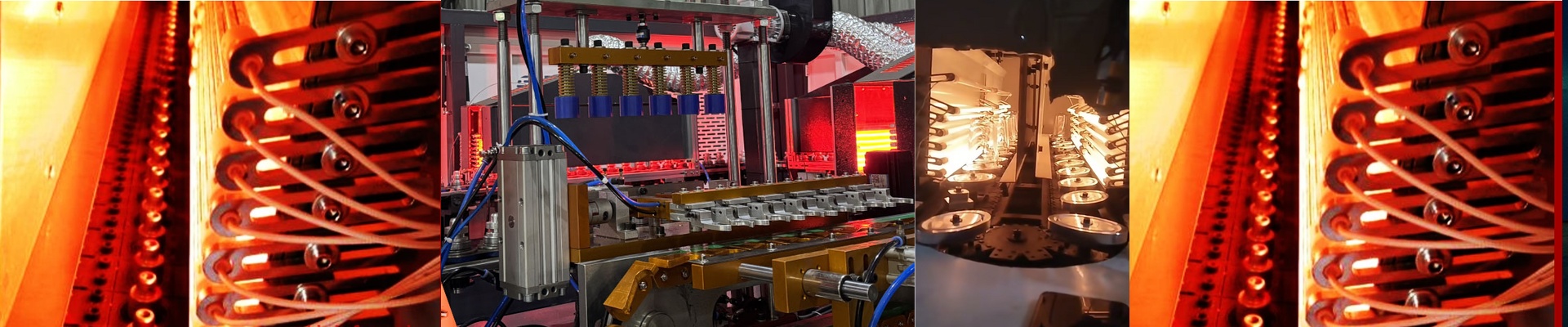
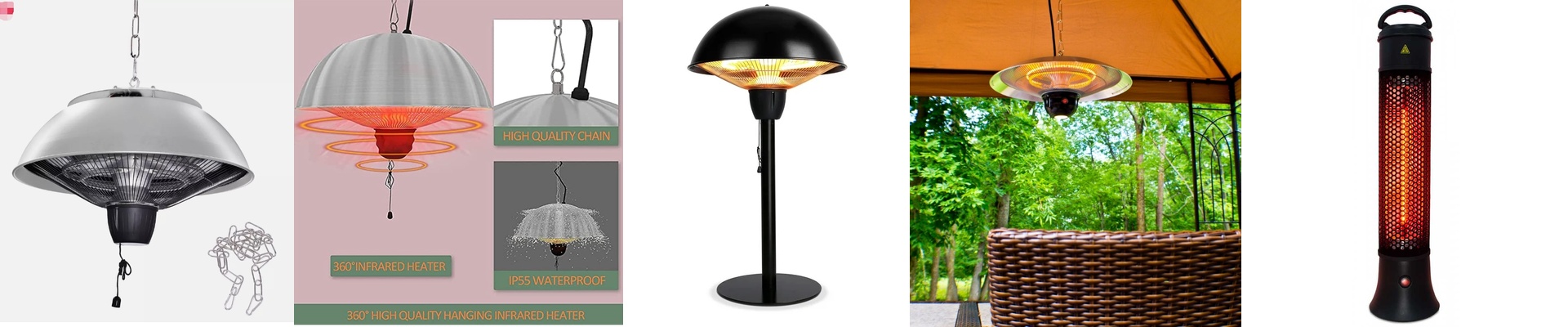
Designing a heater for a bathroom or a wet patio is a bit of a balancing act. You need something that can handle a literal splash of water without shorting out, but you also don’t want a light so bright it feels like you’re staring into the sun while you’re trying to relax. That’s where the IP55 rating comes in. In plain English? It means we’ve built the housing to keep out dust and those annoying low-pressure water jets. It keeps the wiring bone-dry, which is exactly where you want it. The “Blinding Light” Problem Ever used an infrared lamp and felt like your eyes were straining? Standard lamps throw off a broad spectrum of light that can be way too harsh—especially for kids or babies. We didn’t think that was okay. So, we used specific quartz coatings and filtered emitters. This basically pushes the energy away from the visible light and into the mid-to-long wave bands. You still get that deep, cozy warmth that sinks into your skin, but you don’t get the blinding white glare. It’s heat you can feel, not a light that hurts to look at. The Waterproofing Trade-off Here’s the thing: when you seal a heater to make it waterproof, you’re basically trapping heat inside. If you seal it too tight, the internal parts just bake themselves until they burn out. To stop that, we use high-grade gaskets and vented housings. It’s a clever little setup that lets the air breathe while still blocking out steam and splashes. Your electrical contacts stay safe, and the unit doesn’t overheat. A Few Tips for Setting Them Up These plug right into your standard bathroom circuits, but just a heads-up: infrared lamps pull a lot of power. If you’re putting a few of these in one room, double-check that your breakers can handle the load. You don’t want the lights going out the second you turn on the heat. The best part? It’s instant. You don’t have to wait for the air in the room to warm up—you feel the heat the second you flip the switch. Just make sure your mounting bracket is rock solid. Once we add the heat sinks, these units have some real weight to them.