Why Your Bathroom Needs More Than Just a Heater
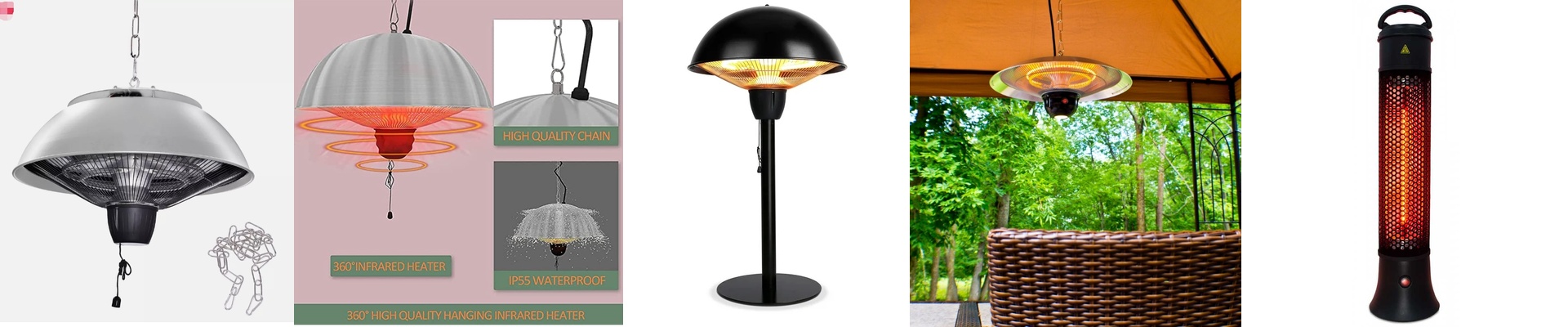
Most people think of those infrared lamps in the bathroom as just a way to stop the shivers when you step out of the shower. But if you look under the hood, they’re doing something way more useful than just warming up the air. They’re actually fighting a war against moisture.
Getting Rid of the Damp
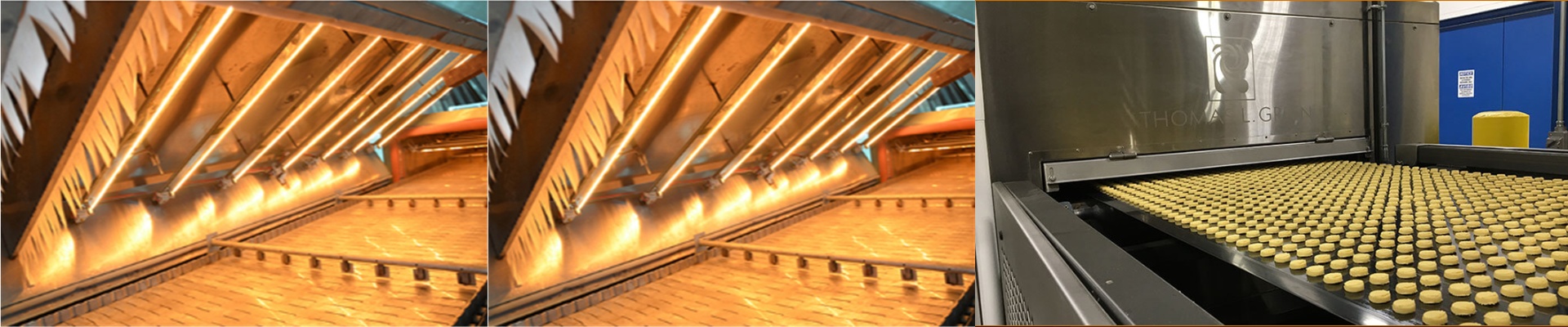
Here is the thing about infrared: it doesn’t bother with the air. Instead, it goes straight for the surfaces. When we build these lamps, we use short-wave radiation. Think of it as a targeted strike. It sinks into your damp tiles and heavy towels, shaking up the water molecules and forcing them to evaporate. A regular heater just blows warm air around, which is fine, but it doesn’t really “dry” things. Infrared actually pushes the water out of the material. And that matters. Because wet walls are basically an open invitation for mold. By drying out the actual surface of your bathroom, you’re stopping mold and fungi before they even have a chance to move in.
Creating a “Dry Zone”
We’ve tuned these lamps to hit specific wavelengths that break up that heavy, humid feel you get in a bathroom. It creates a little pocket of dry air—a “dry zone,” if you will—right where you need it. It stops that annoying condensation from pooling in the corners or dripping off your towel rails. But a quick heads-up: this isn’t magic. If you don’t have a working exhaust fan, the moisture is still in the room; it’s just moved from the wall to the air. You still need to vent that steam outside, or you’re just moving the problem around.
The Balancing Act
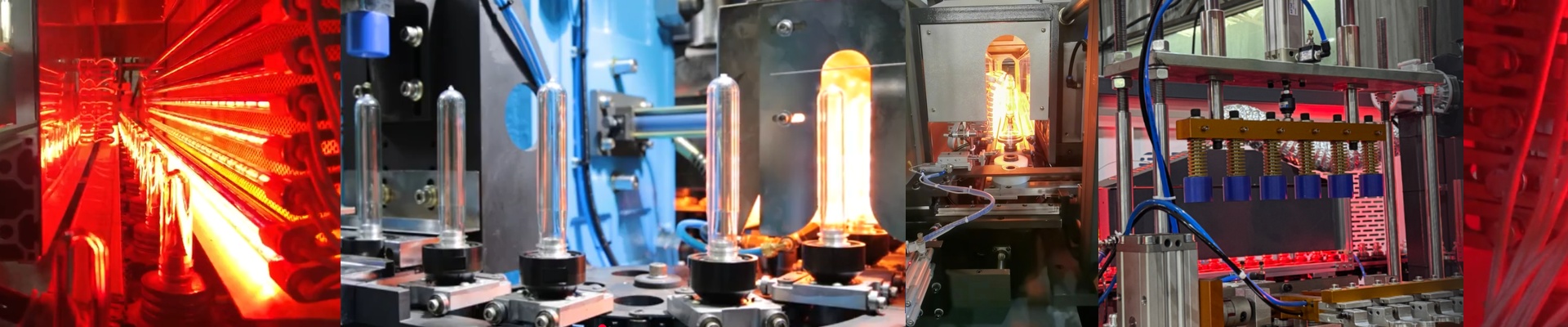
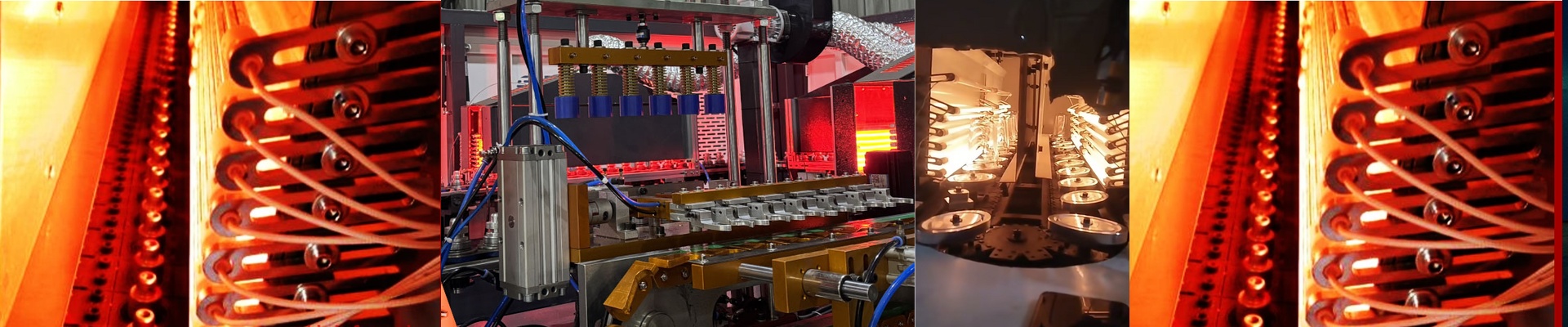
There’s always a trade-off. If we crank the wattage too high, you get things dry instantly, but you risk scorching your favorite plush towel if it’s touching the quartz tube. We spend a lot of time balancing that heat density. We want your towels bone-dry and cozy, not singed. My advice? Hook the lamp up to a timer. That way, it does the heavy lifting for a bit and then shuts off, saving you money on your electric bill once everything is dry.