What Actually Powers These Patio Heaters
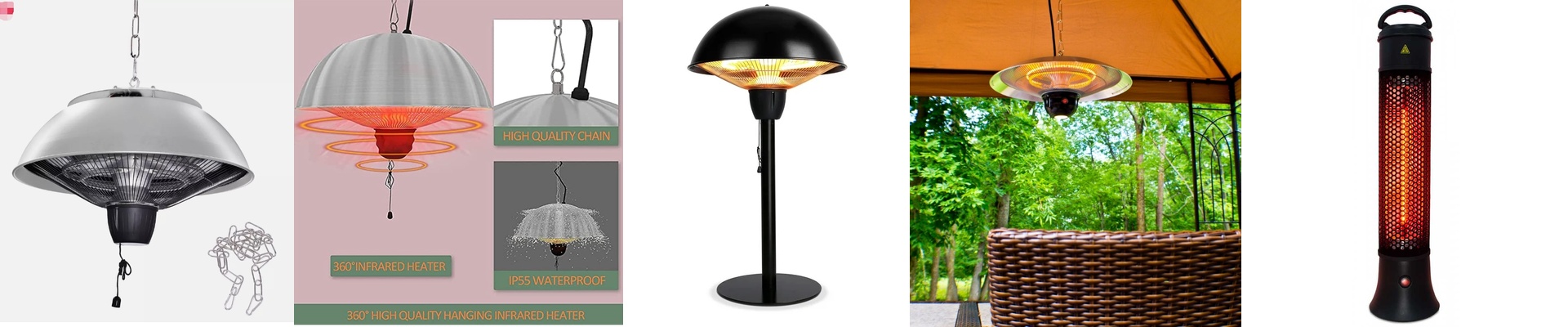
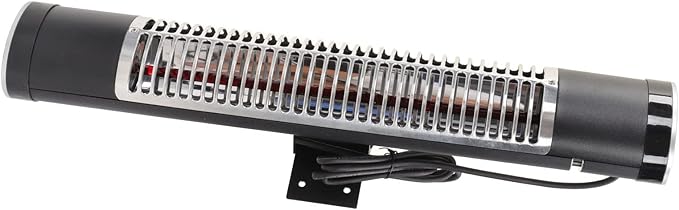
Here’s the secret to getting that long-range warmth: it’s all about packing a serious punch. We build these patio heaters to throw out a ton of infrared heat. Most units run between 2000 and 2500 watts, and they need a proper outlet to do their thing—think 220-240 volts or even a 400-volt industrial line. That kind of power is what lets the heat travel, hitting people and furniture directly instead of just warming up the empty air. And the tube? It’s usually between 300 and 900 millimeters long. That length creates a big surface for the heat to come from. The payoff? You get a wide, even blanket of warmth that reaches across your whole patio. No need to have a heater hovering over every single chair.
The Heart of the Heater: The Tube and the Wires
Inside that tube is where the magic happens. It’s a halogen-filled quartz tube. The halogen is a real workhorse—it keeps the filament stable by recycling the tungsten. This means the tube doesn’t blacken over time, and the heat stays consistent, day after day. The quartz itself is tough as nails. It can handle the shock of turning on and off quickly, and it just lets that infrared heat pass through without a hitch. When it comes to hooking it all up, we use R7s or Sk15 connectors. These are built for the high current and serious heat these heaters generate. They’re simple, solid, and let you wire the heater into a proper industrial socket. And when you need to swap out a lamp? It’s a quick, easy job.
The Feeling: Instant, Direct Warmth
If you’ve ever tried to heat an open-air space, you know the struggle. You just end up heating the whole atmosphere, and the warmth disappears the second the wind picks up. These infrared heaters are different. They cut right to the chase. They send out directional warmth that people, tables, and chairs just soak right up. The result? You feel that comfort instantly. Flip it on, and the heat is there. No waiting around. Of course, all that power comes in a small package, so the tube itself gets seriously hot. You just have to plan for proper clearance and a little bit of ventilation. But get the voltage right, give the unit the space it needs, and you’ve got a reliable, straightforward solution. It’s the kind of heat you can count on for an outdoor workspace or to keep a hospitality area cozy, no matter what the evening throws at you.