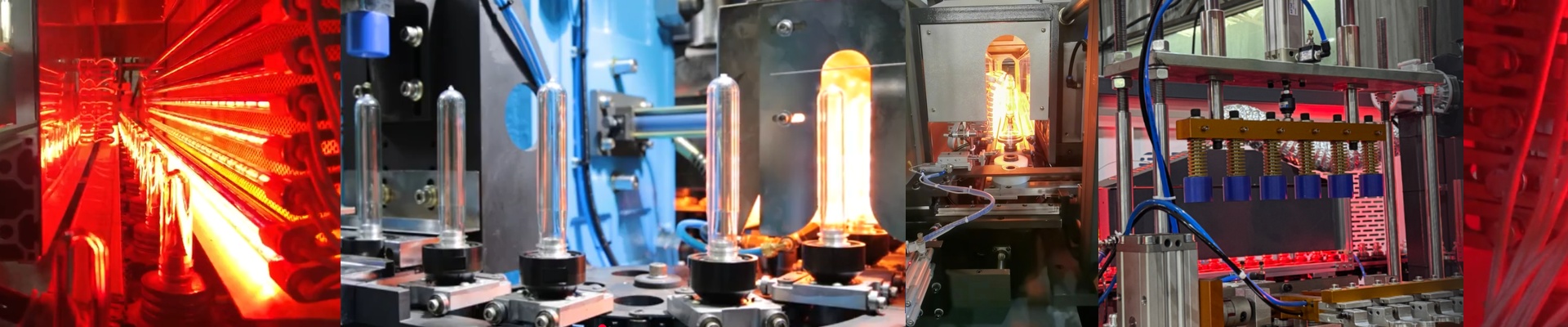
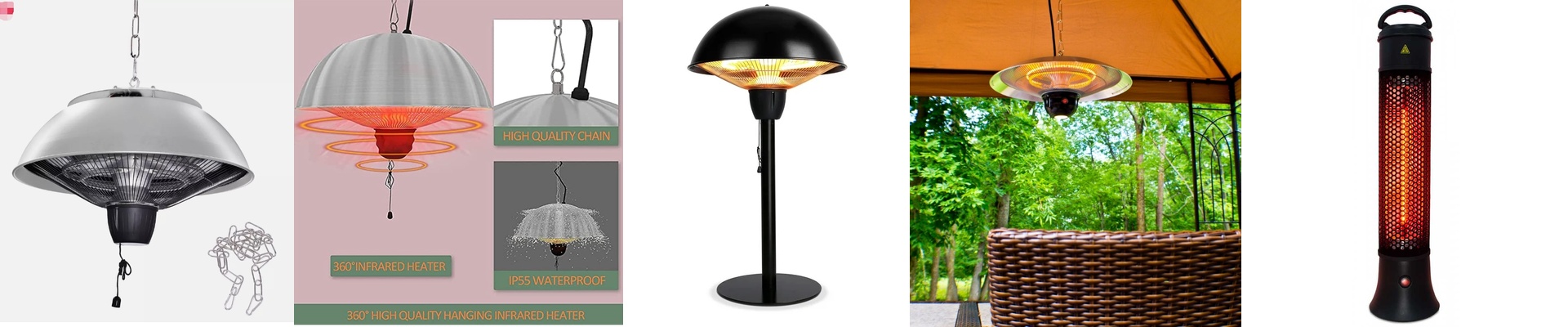
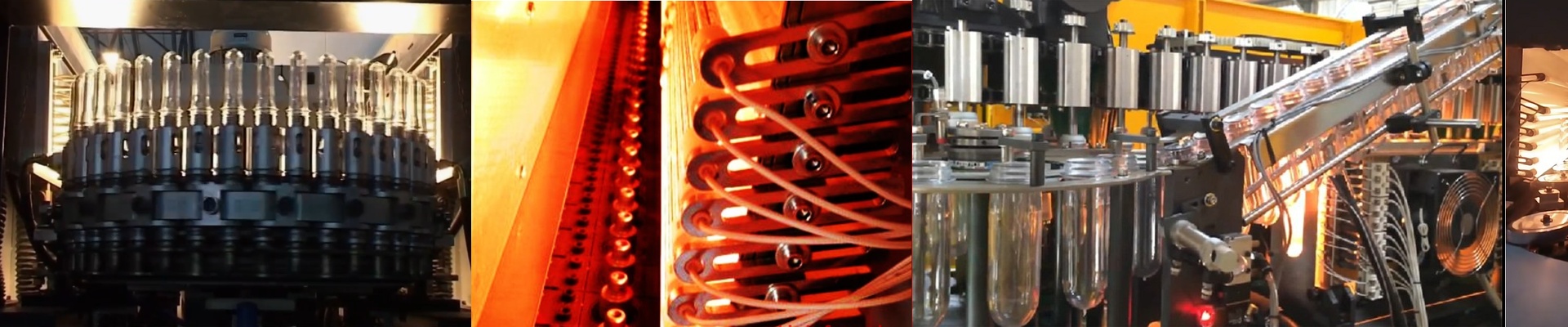
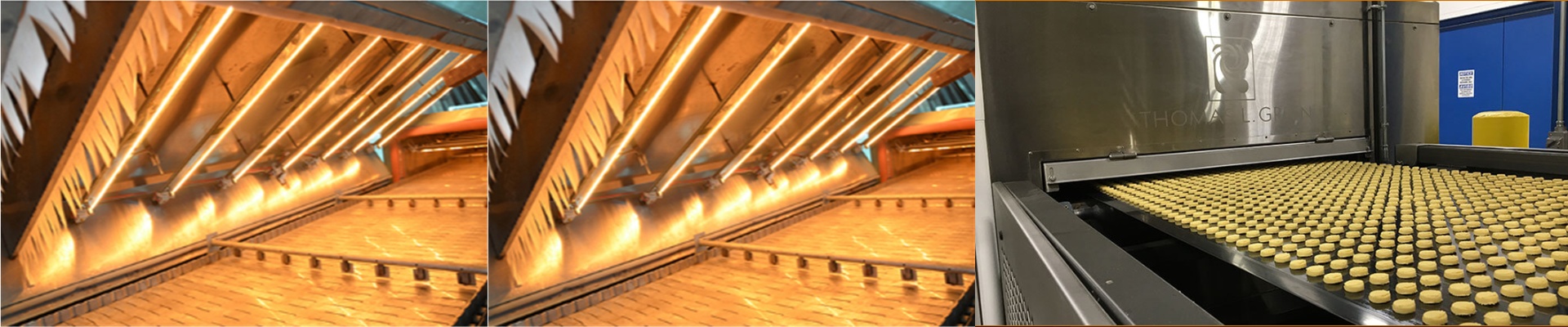
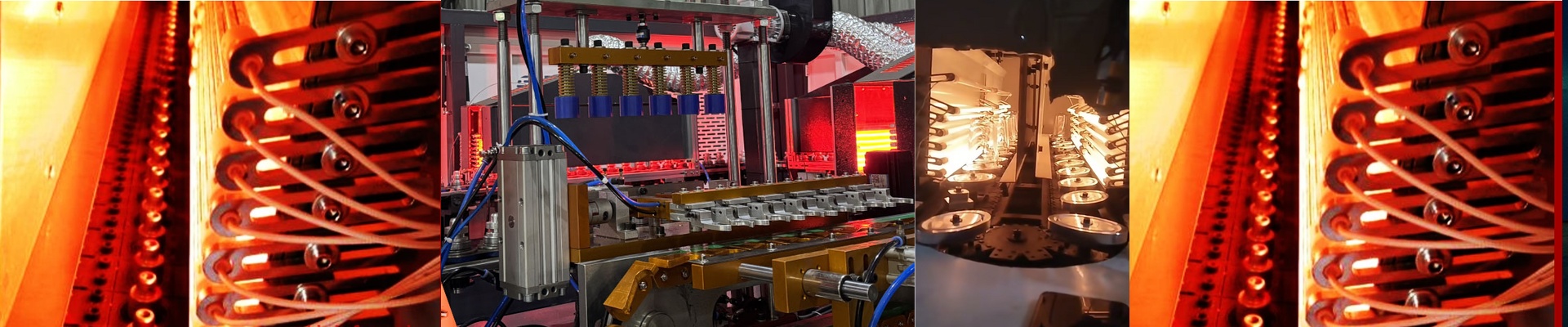
When the rush hits, the serving counter is where you prove your consistency. Plates come off the oven, toppings go on, and that final finish—crisp edges, hot surfaces, dry heat—has to happen in seconds. If the heat is slow or uneven, you end up with soggy centers, soft crusts, and a line that backs up.
What matters, technically
We built this IR heater around short-wave infrared because it throws intense radiant heat with almost no warm-up lag. The element hits full output fast, and the reflector assembly focuses that energy into a tight zone—right where you need it. In practice, that means you can dry a pizza slice edge, crisp a pastry top, or knock the surface moisture off fried items without cooking the rest of the food. It runs on standard countertop power configurations and mounts cleanly under or over the service line, so you keep the same workflow and don’t have to rework your pass-through layout.
Why it works where it matters
On a busy counter, speed isn’t optional. This IR heater dries and finishes in the time it takes to plate, so the product leaves the pass looking fresh, not tired. You get consistent results because the heat is directed and repeatable—not diffused across the whole counter. That matters when you’re protecting caramelization on breads, keeping fried items crisp, and making sure sauces don’t weep onto delicate bases. The fast response also cuts idle time on ovens and holding cabinets, which helps keep tickets moving and keeps unnecessary energy draw down.
The things you actually have to plan for
IR heat is line-of-sight. Placement matters—set the distance so you get the drying effect you want without scorching. Keep the element and reflector clean; grease and dust will change output and throw off the pattern. And plan for ventilation. The heater is efficient, but any high-output heating adds heat to the front-of-house, so match it to your exhaust and comfort conditions.